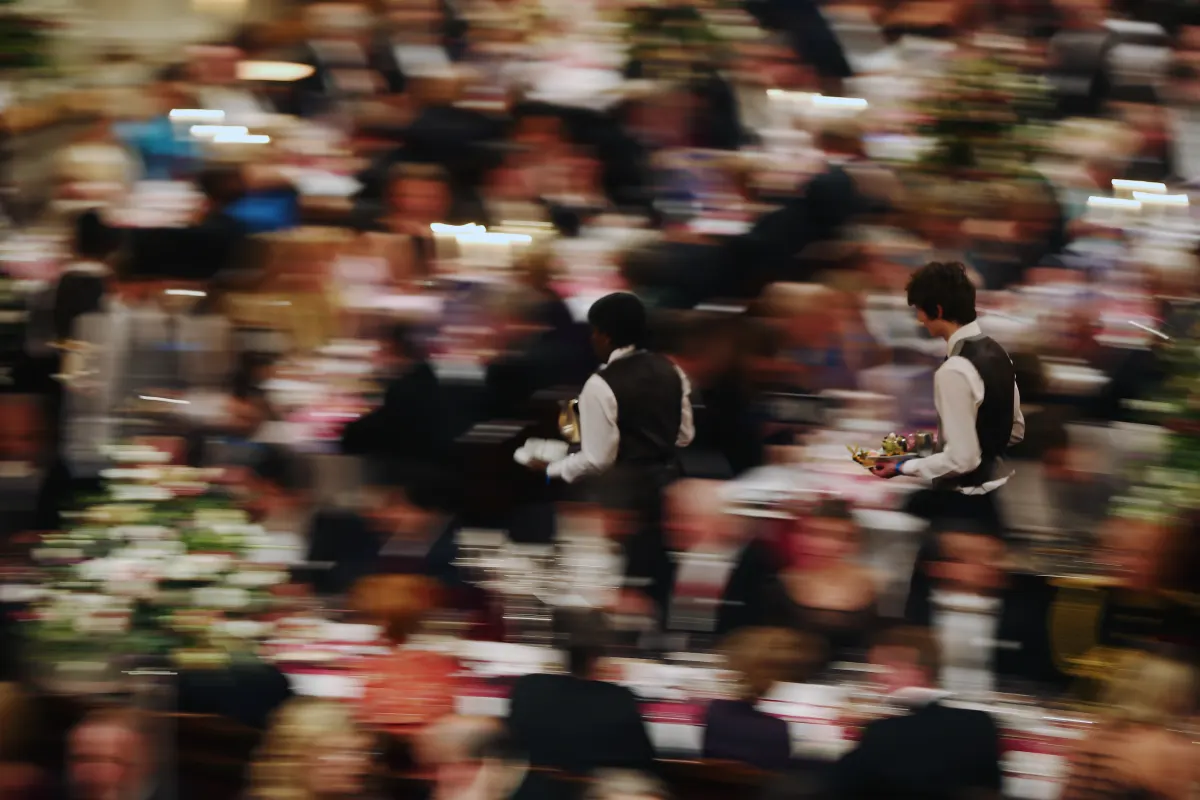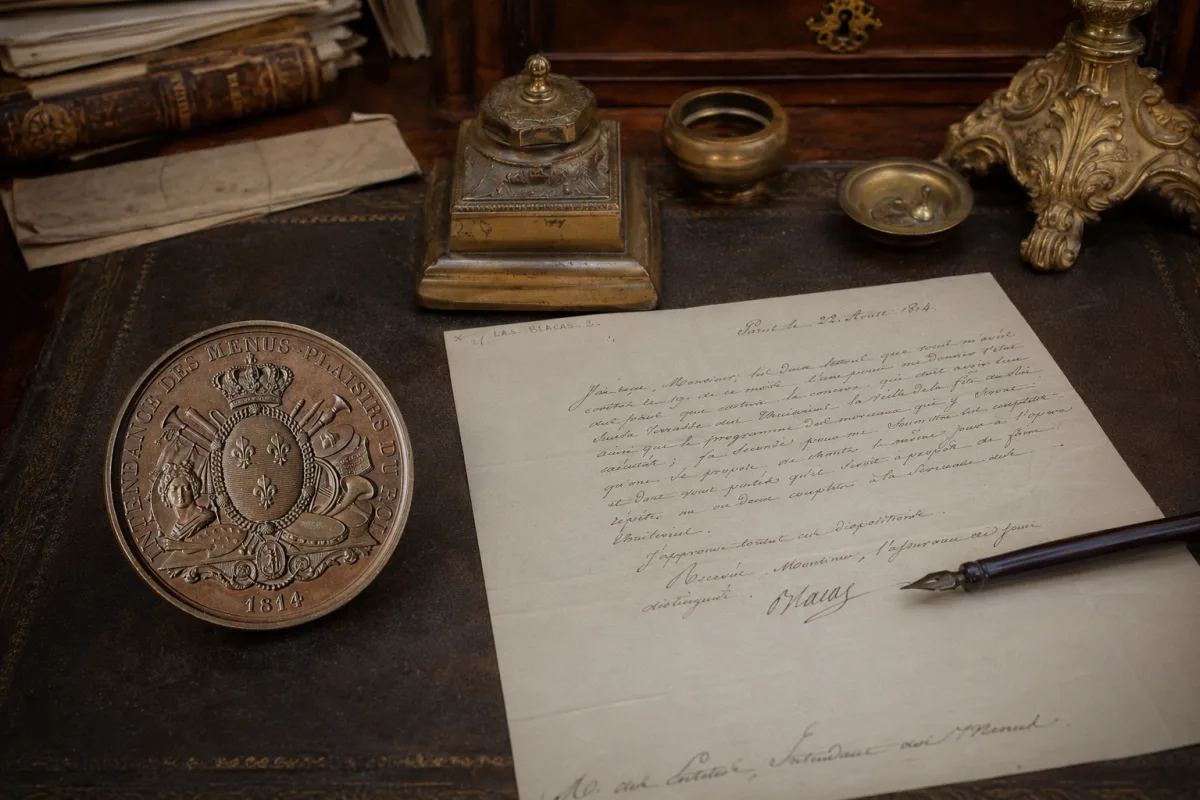
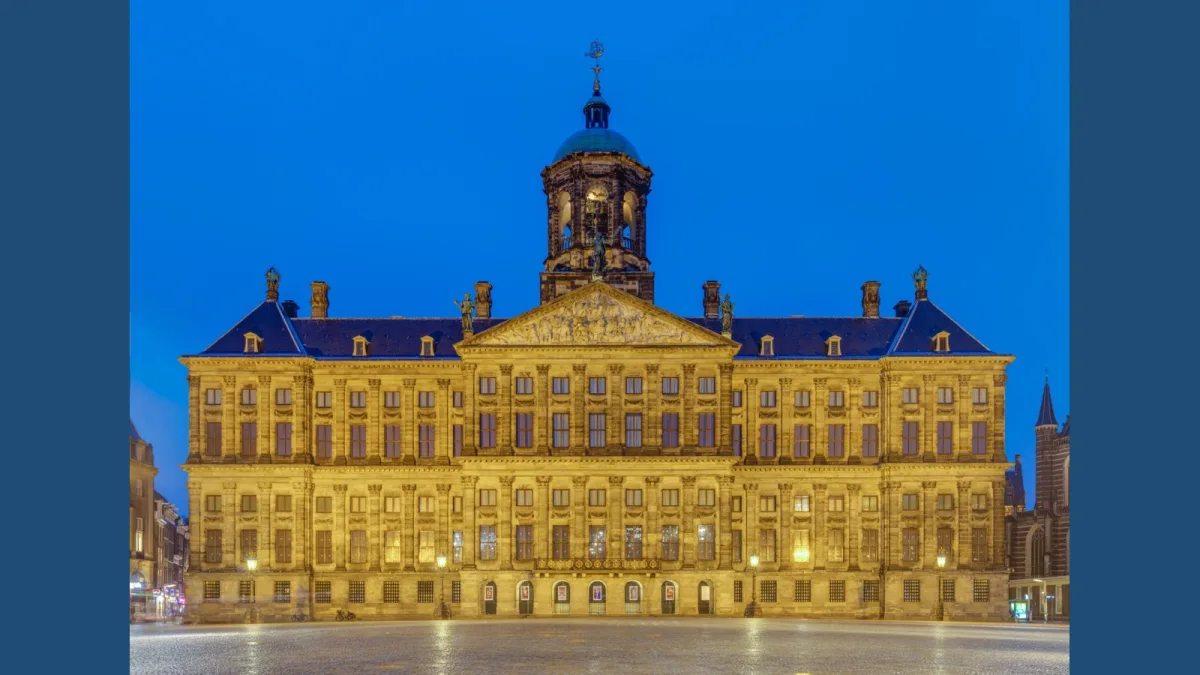
In June 2026, the royal palace in Amsterdam received Germany then Japan eight days apart.
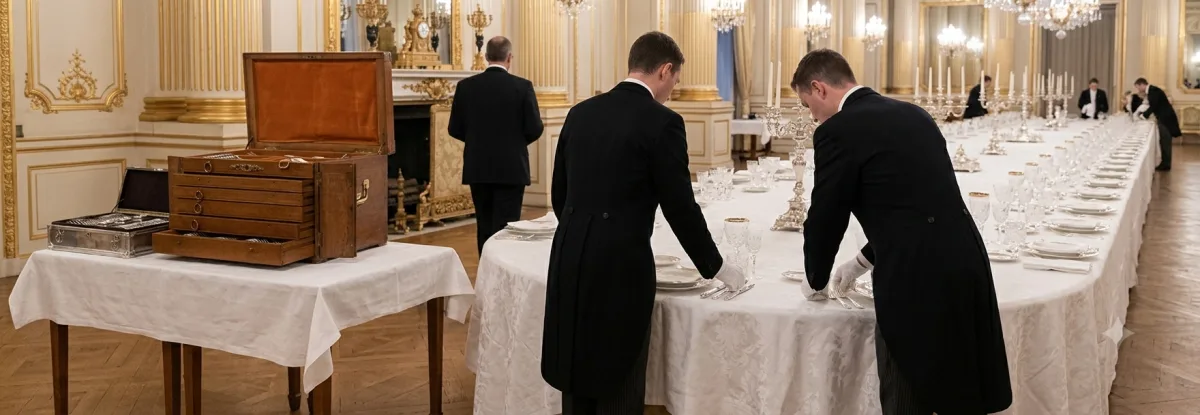
Two state visits in eight days to the Amsterdam Palace: immersed in the stewardship of the shadows which set, unmake and straighten the table without a flaw.
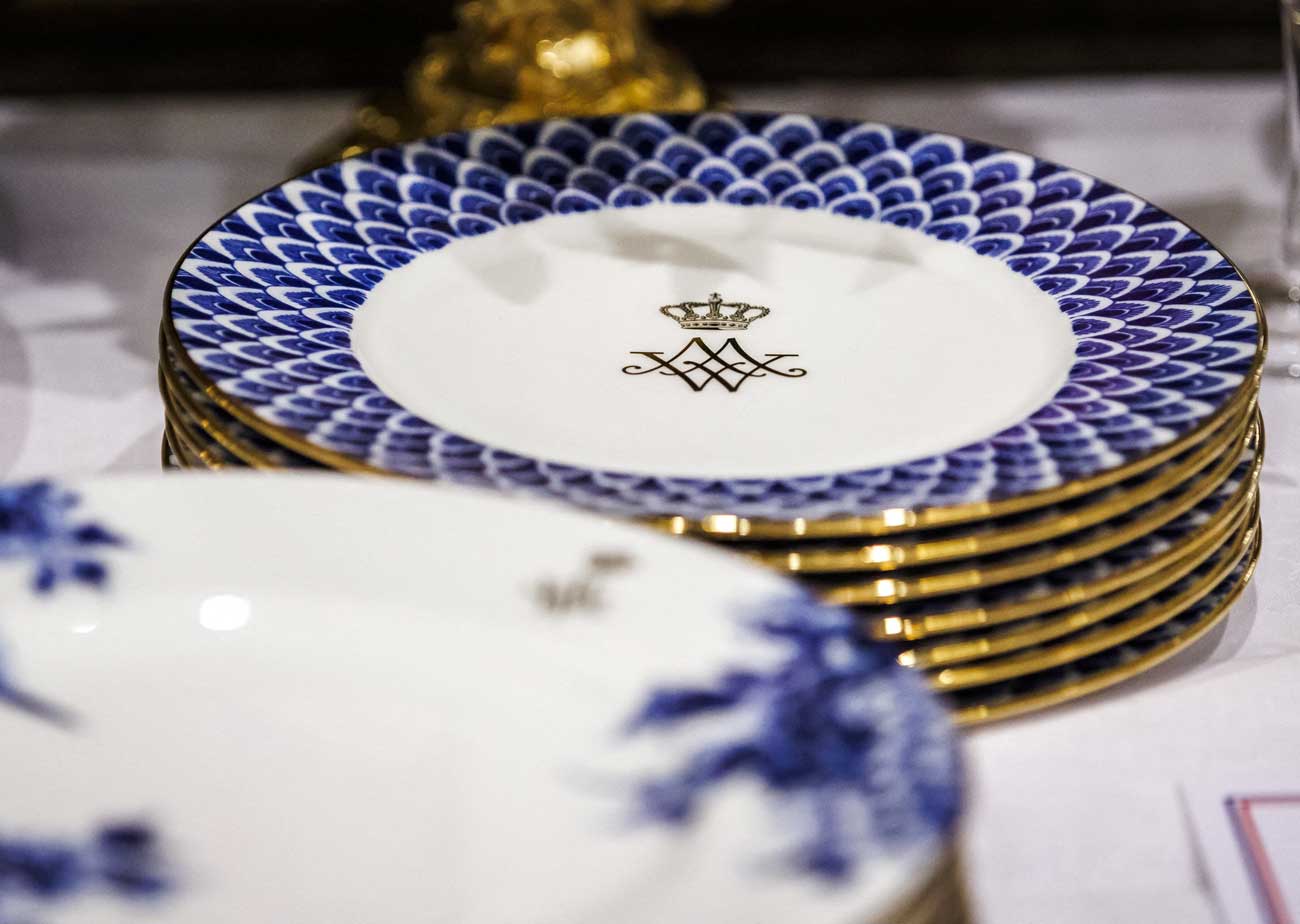
A state visit is evident. The stewardship that carries it, never.
We photograph kings and emperors; we don’t photograph those who make the dinner possible. Yet, in June 2026, it is not the heads of state who accomplish the feat - it is the organization that receives them.
The ability to receive two worlds in eight days, without a visible seam, is a form of power.
Investigation into an invisible mechanism seized at the worst time of its year.
The organization that no one names
Behind each banquet at the Koninklijk Paleis op de Dam stands an administration that the general public ignores: the Dienst van het Koninklijk Huis, the service of the Royal Household.
Nearly three hundred people work there, spread between The Hague, Amsterdam, Apeldoorn and Baarn. She is the one who prepares and executes, in detail, receptions and state visits.
Ten departments, one grandmaster
At its head, the grootmeester - the grand master - directs the entire service and manages the court. Under him, ten departments with clear specialties: the treasury, the general secretariat, the military household, the department of the hofmaarschalk (the court marshal, who orchestrates events and receptions), the department of the royal stables, the royal collections - and, bearing a name that resonates here more than elsewhere, the Intendance der Koninklijke Paleizen, the stewardship of the royal palaces.
It is this last service which watches over the stone, the furniture, the rooms. It is the marshal’s department which transforms these rooms into diplomatic theater. And it is their coordination, invisible by construction, which decides whether a state dinner succeeds or betrays.
A stable partition
The job is based on routine. An incoming state visit follows an almost immutable choreography in the Netherlands: military welcome at the Dam, review of the guard, wreath laying at the National Monument, visit to the mayor, then, in the evening, state banquet at the palace with joint speeches from the two heads of state, after the exchange of orders and gifts. The next day shifts towards The Hague; the day after tomorrow shows a face of the country.
Regularity, here, is not laziness: it is the safety net that makes the exception reproducible.
The June squeeze
Everything changes when the exception approaches itself.
From June 9 to 11, 2026, the royal couple receives German Federal President Frank-Walter Steinmeier; the banquet is held at the palace on the evening of the 9th.
From June 17 to 19, it is Emperor Naruhito and Empress Masako of Japan; the imperial banquet follows on the evening of the 17th.
Between the two state dinners: eight days.
Eight days to erase one world and establish another.
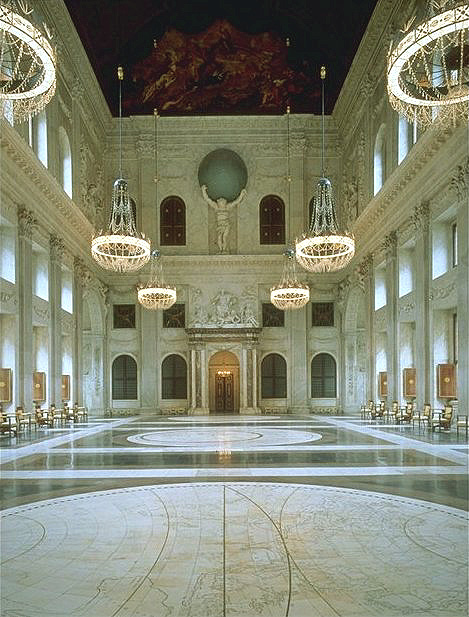
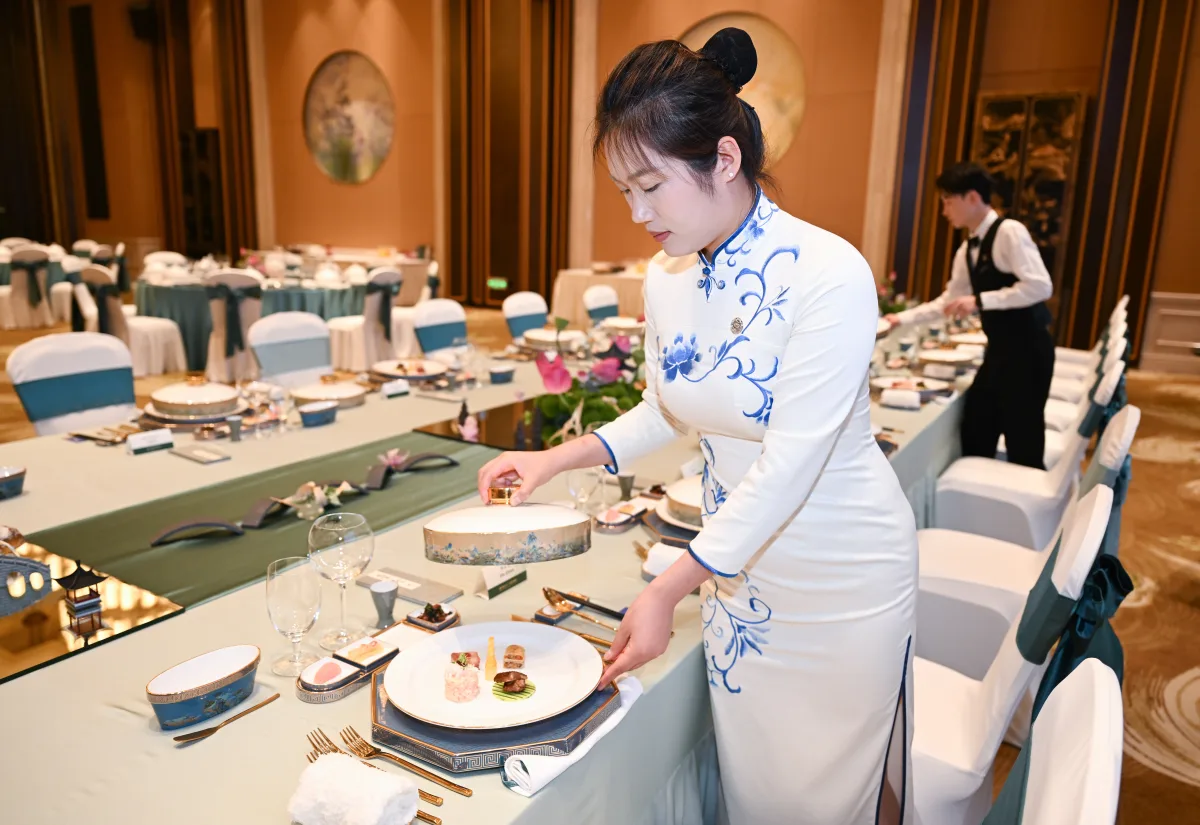
The head table and its plan of precedence must be recomposed; the service and silverware taken out and then put away; the menus allocated to the uses of each delegation; lighting resumed; the guest rooms redone for another couple. The same Empire furniture - that which Louis Bonaparte installed in 1808 and which is still used for receptions - must appear new under two successive flags.
Two protocols, two memories
The difficulty is not only material. Receiving Germany and receiving Japan is not welcoming two guests: it is telling two stories.
The German program is accompanied by a visit to the National Holocaust Museum - the shared memory there is heavy, but the present is that of a peaceful European neighborhood.
The Japanese program, for its part, celebrates four hundred and twenty-six years of relations while standing on an open wound: former Dutch prisoners of war observe a silent rally to demand an apology, and the emperor recognizes the suffering inflicted on Dutch soldiers in the camps.
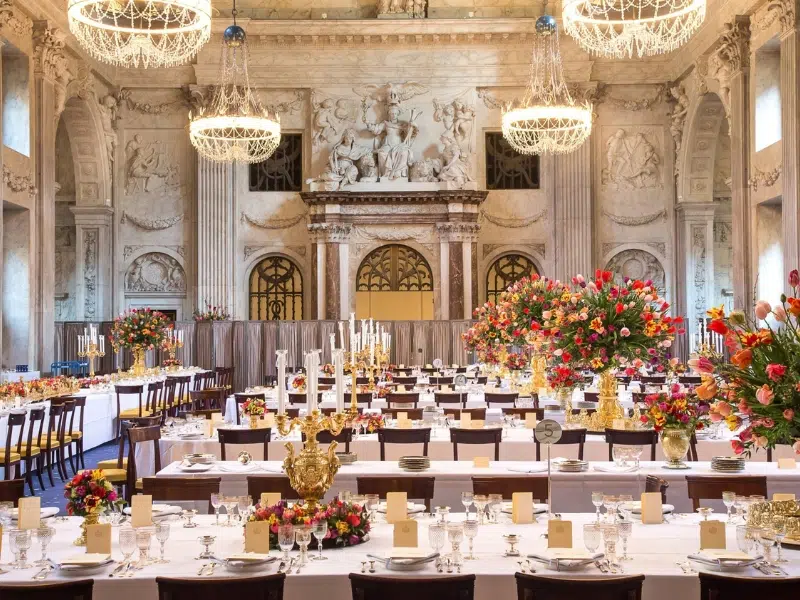
For stewardship purposes, these shades are not decorative. They dictate a placement, a tone, the weight of a toast. Setting a table, at this level, means composing a text that no one will read but that everyone will feel.
Shadow Reinforcements
How does an organization calibrated for the exception produce the exception twice in a row? By drawing on reserves provided for this purpose.
The Royal Household maintains an honorary hofhouding - an honorary court, made up of former service members, who can be recalled to lend a hand at major events.
For each large-scale operation, temporary project groups are formed, composed according to the nature of the event to be prepared. The structure, in other words, breathes: it expands for the peak, then retracts.
Added to this internal mobilization is coordination with “friendly services”: the King’s Cabinet, the State information service, the royal and diplomatic protection service, the national police and the royal constabulary, which also carries out security investigations.
However, receiving a President of the Republic, then an Emperor, does not require security in the same way.
Each visit redefines the perimeter, the access points, the blind spots.
Stewardship does not just set a table: it rethinks, twice, a geography of trust.
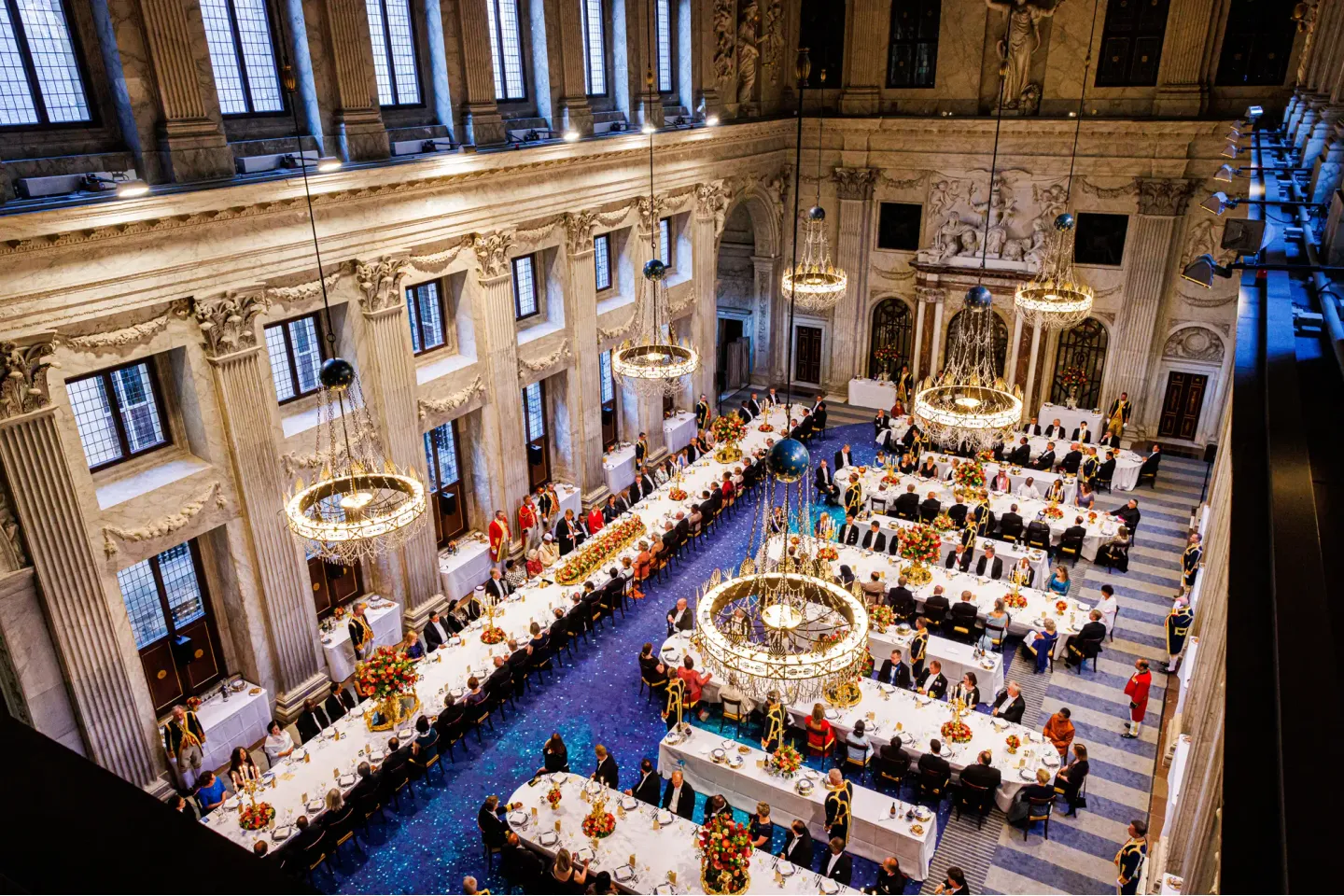
The palace-museum caught in a pincer movement
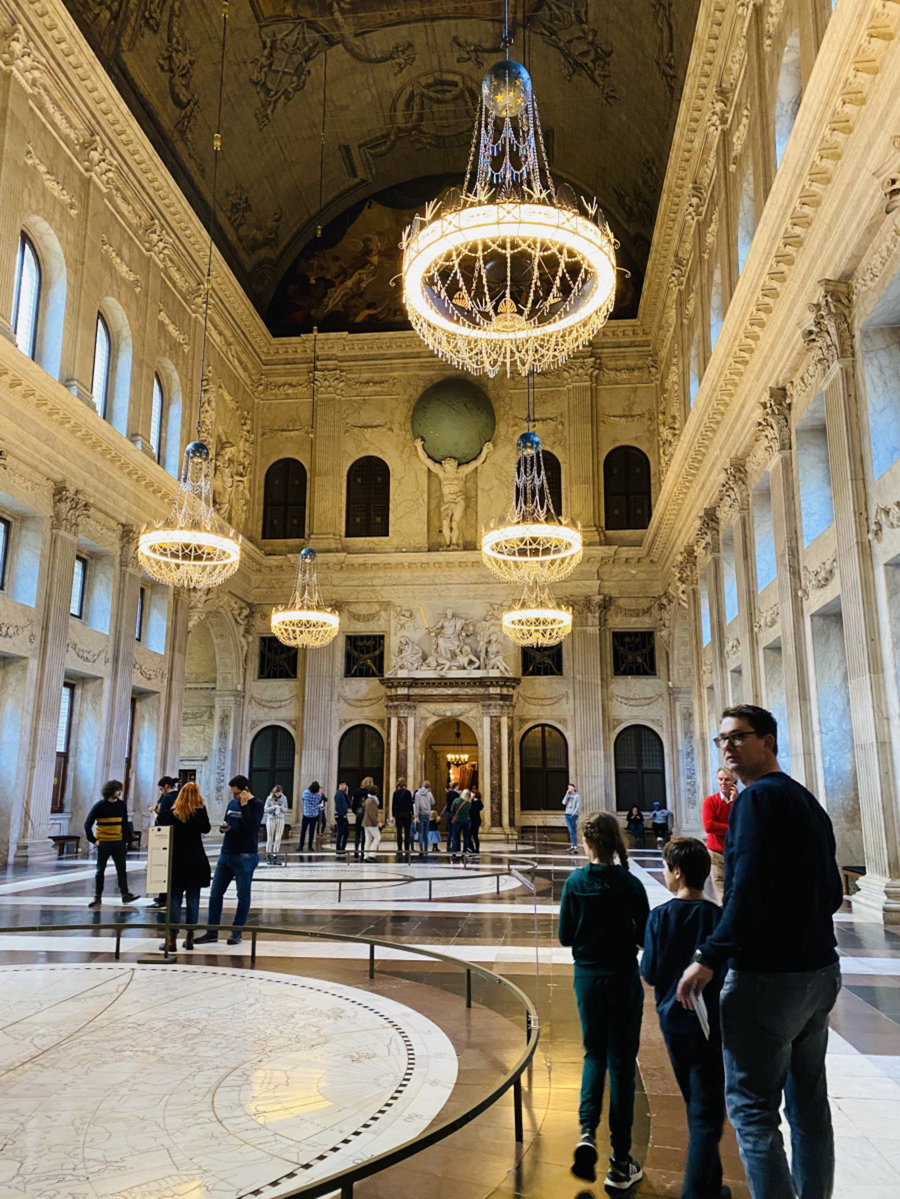
Last constraint, and not the least: the Dam is not just a palace. The rest of the year, it is a museum, open to the public most of the time, and which only closes when a state ceremony requires it. Each visit therefore involves emptying the premises, securing them, then reopening them - a complete cycle of closing and reopening, twice in eight days.
And while the two banquets follow one another, another operation takes place: on the occasion of the imperial visit, Japanese objects from the royal collections and works retracing the common history of the two countries are placed in the Throne Room, intended to be shown to the public during the summer. The palace welcomes an emperor, escorts a president, and turns into an exhibition hall - in the same breath.
We judge a monarchy by its facades.
We should judge her by her backstage.
The Amsterdam Palace reveals its true nature neither in Van Campen’s stone nor in the evening speeches, but in the silent interval where a handful of services, recalled reinforcements and ephemeral project groups transform, undo and retransform a state scene to the rhythm of a change of scenery.
When everything is perfect, it means that no one has seen anything - and it is precisely there, in this perfection that no one notices, that stewardship has won.