
In August 2026, this small archipelago of Micronesia will host the 55th Pacific Islands Forum. Nearly 2,000 delegates, a capital the size of a hamlet, and an open-air lesson in stewardship.
On August 30, 2026, Pacific leaders will set down in Koror. For Palau, 340 emerald islands scattered between the Philippines and the date line, the logistical challenge of a generation begins: housing, feeding, transporting and protecting the equivalent of more than a tenth of its population, arriving all at once.
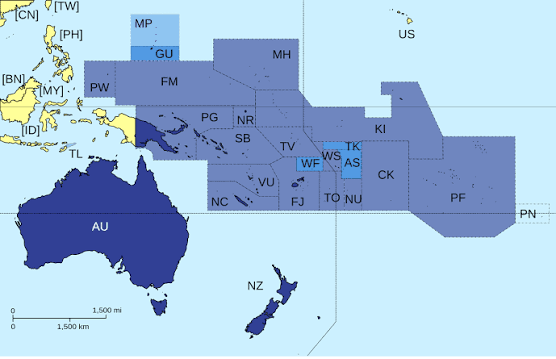
We readily imagine Pacific diplomacy made up of speeches and press releases. It is first and foremost a matter of stewardship. Hosting the Pacific Islands Forum (the annual high mass of the eighteen member states and territories, from Australia to Tuvalu) involves receiving nearly 2,000 people: heads of government, ministers, diplomats, foreign partners and journalists. For a capital like Canberra, this is a formality. For Palau, whose official capital, Ngerulmud, is one of the least populated on the planet, it is a tour de force. The country has fewer inhabitants than Monaco, and not a single soldier.

Housing the Pacific, bed by bed
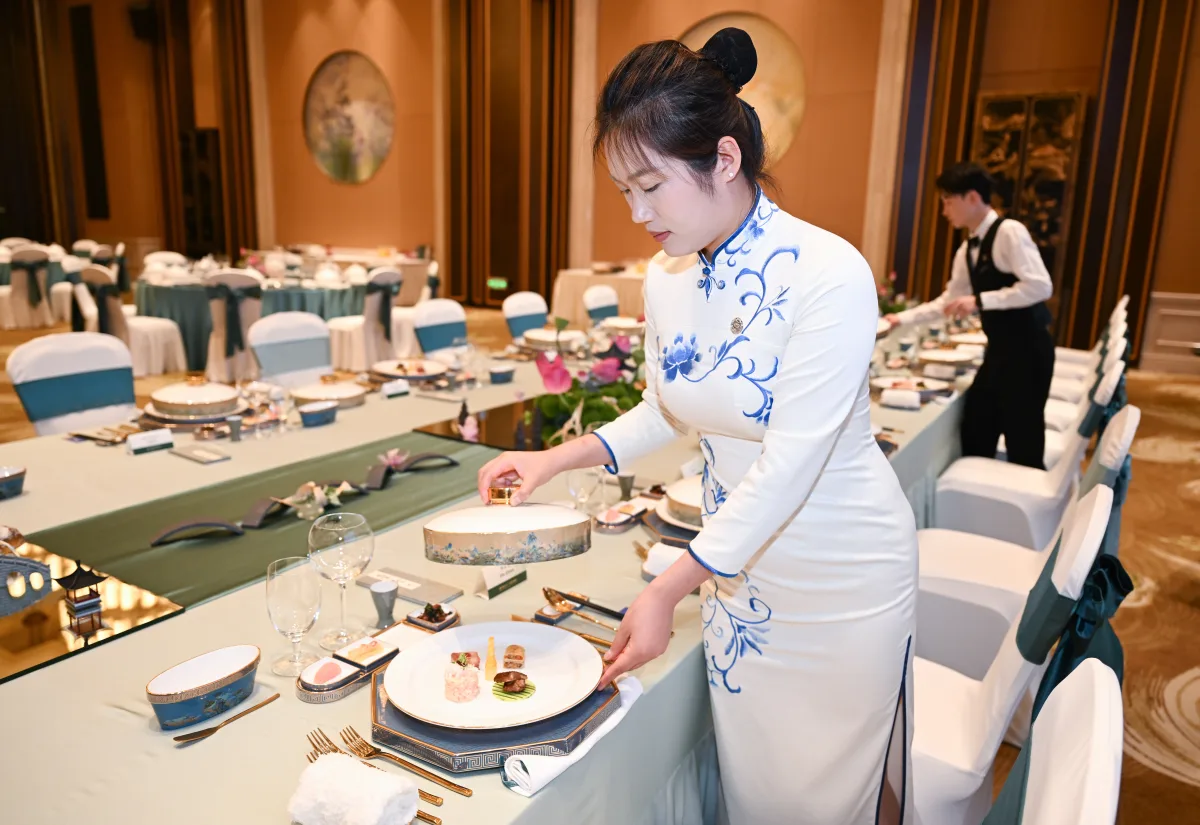
The first test is the most prosaic: where to sleep? The Koror hotels, designed for divers who come to admire the Rock Islands, are not enough. President Surangel Whipps Jr.’s response has the merit of frankness: he invited his fellow citizens to offer their spare rooms on Airbnb. Private hospitality becomes state infrastructure. Nothing of an isolated improvisation: it is a tradition of the island Pacific, where each host micro-nation transforms, for the duration of a summit, its houses, its gymnasiums and sometimes ships into diplomatic annexes.

An army that we borrow
Comes security. How can we guarantee the close protection of eighteen leaders when we have neither an army nor a bloated police force? Palau, which has entrusted its defense to the United States since the Compact of Free Association of 1994, borrows its guards. Justice Minister Jennifer Olegeriil promised “24-hour close protection” for each leader. On the ground, the Australian Federal Police, via the Pacific Police Support Group based in Brisbane, are lending a helping hand: more than a hundred officers from across the region are to be deployed, while Palau police officers have been trained in Australia for the occasion. Summit security also becomes a collective effort.
The protocol of a miniature giant
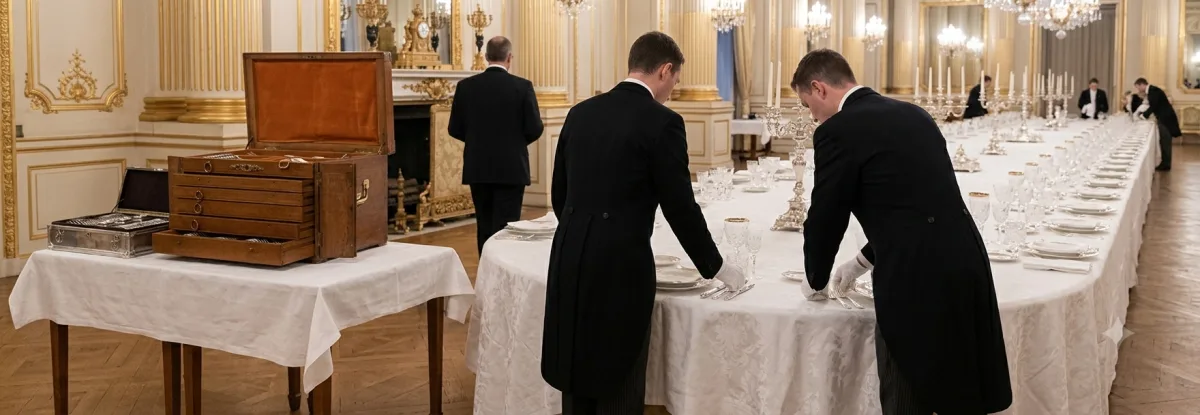
All that remains is to orchestrate the ceremony. Lacking a convention center, Palau mobilizes what it has: the Ngarachamayong Cultural Center and the national gymnasium, converted into a plenary hall and lounges for bilateral talks. A presidential decree, Executive Order No. 495, established an organizing committee co-chaired by the Minister of State and the Minister of Infrastructure, while the Ministry of Finance holds the purse strings. The country is not at its first attempt: in 2014, it already hosted the 45th Forum, opened in Ngerulmud then deployed in Koror, the same one which saw Dame Meg Taylor become the first female secretary general of the organization.
To receive is to exist
Behind stewardship lies a political issue. For a micro-state, hosting the Forum is not a constraint: it is an affirmation of sovereignty. For a week, Palau ceases to be a point on the map to become the capital of the “Blue Continent”, this Pacific that its leaders want to think of as a whole, around the 2050 Strategy. Receiving the world when you are smaller than Monaco is to prove that you are fully part of it. And remember that, in the Pacific, logistics is perhaps the highest form of diplomacy.