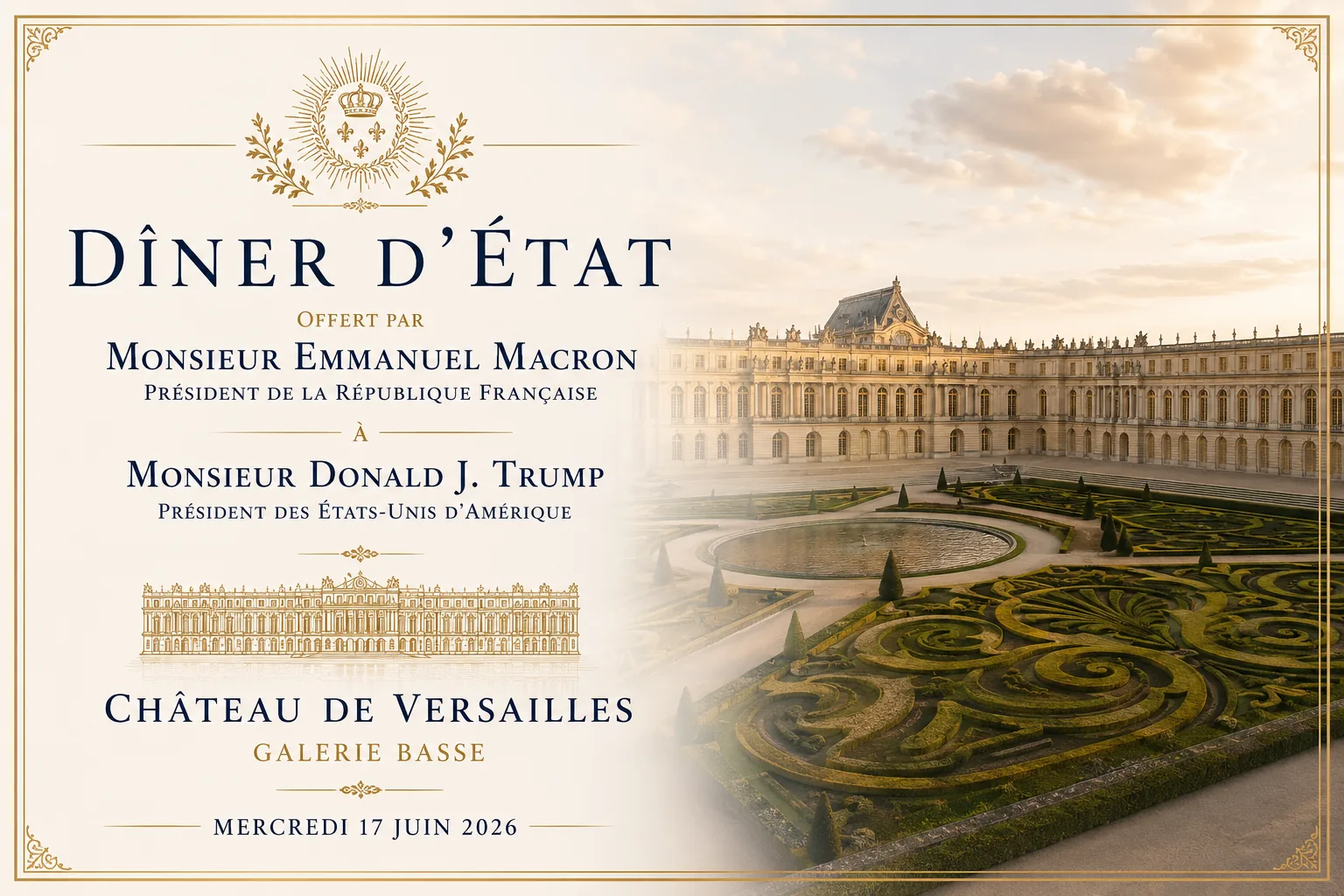
On June 17, 2026, at the Palace of Versailles, France renounced court pomp to serve its provinces. Black pork from Bigorre, asparagus from Val-de-Loire, poultry from Bourbonnais: behind the sobriety of a state dinner hides a diplomatic strategy of remarkable precision.
There are dinners that read like dispatches. The one that Emmanuel Macron gave to Donald Trump in Versailles, at the end of the G7 summit in Evian and on the occasion of the 250th anniversary of American independence, is one of them.
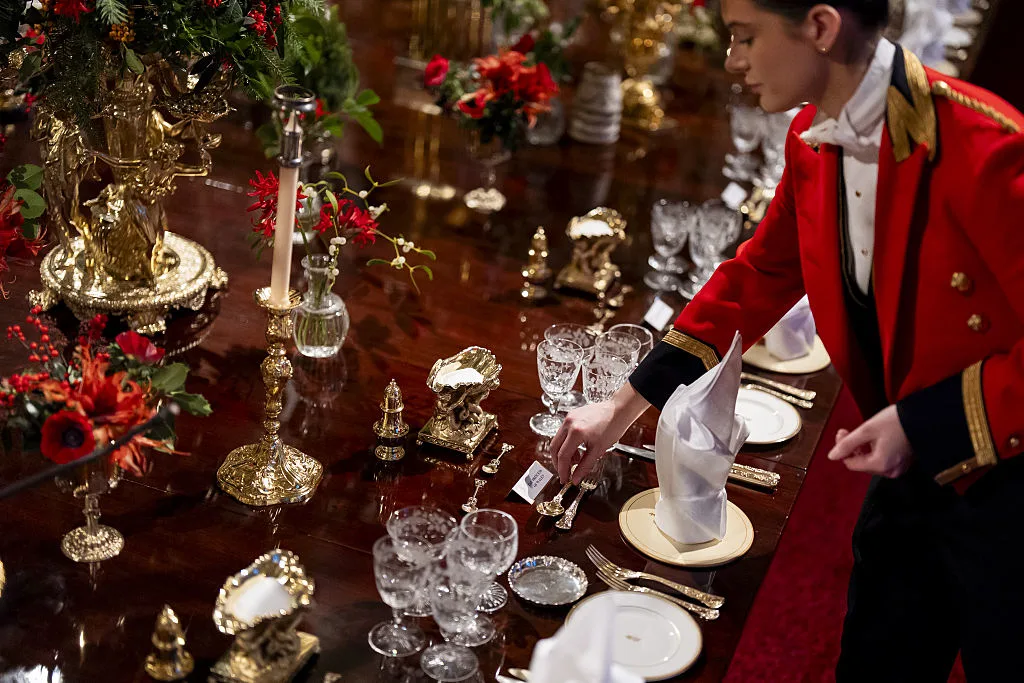
At the table, only around thirty guests - far from the one hundred and fifty to two hundred gathered for King Charles III in 2023 - and on the menu, not the debauchery of lobster and caviar that is attributed to the splendor of the Republic, but the French terroir, prepared in the Lower Gallery of the castle.
The choice is not trivial. In the art of entertaining at the highest level, the menu is never a simple matter of mouth: it is a grammar. After the Hall of Mirrors, the exhibition dedicated to the American War of Independence and the concert in the Royal Chapel, the dinner was to end the evening on a note of French tradition. The terroir as the last word.
A menu that can be read dish by dish
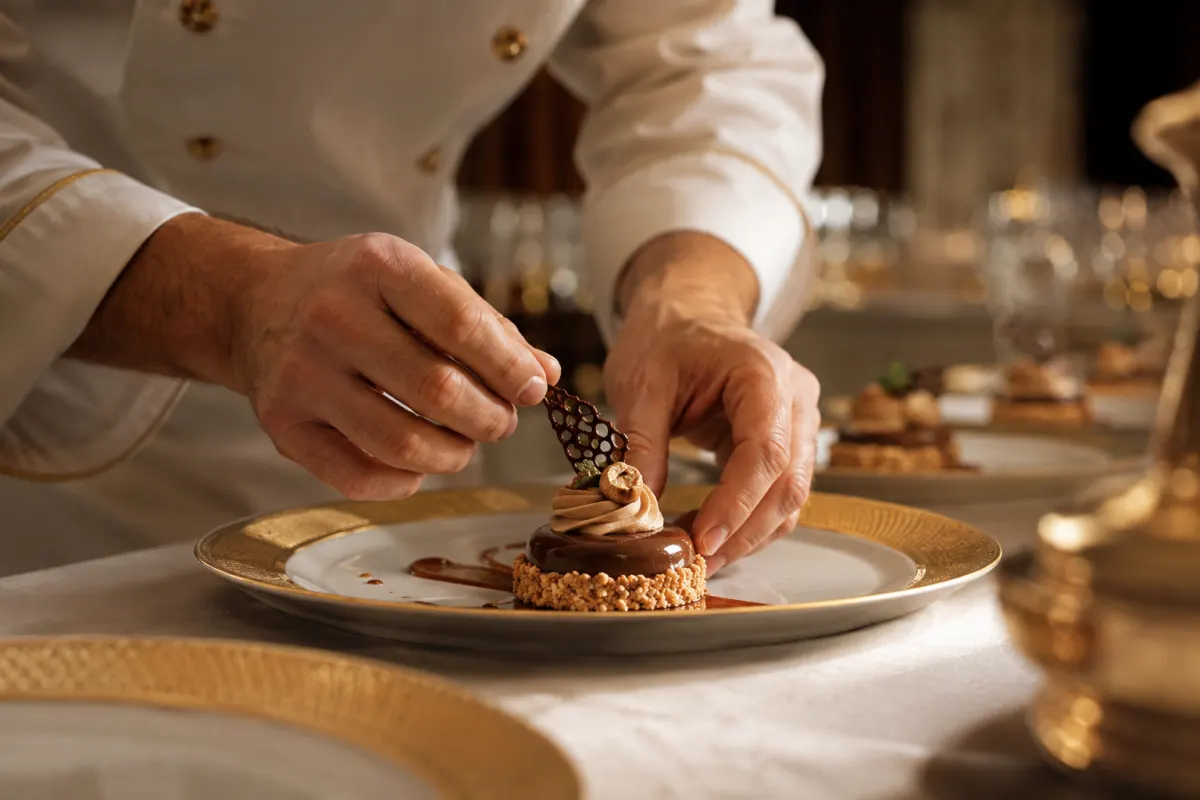
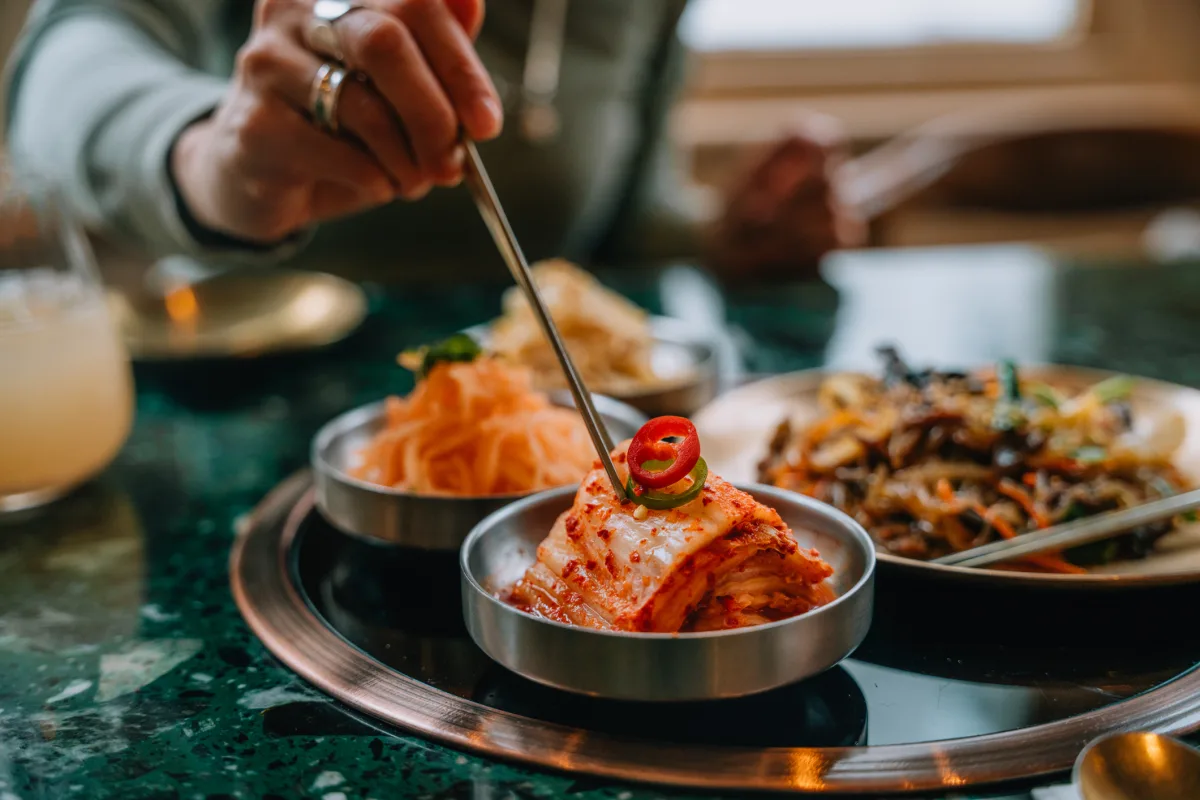
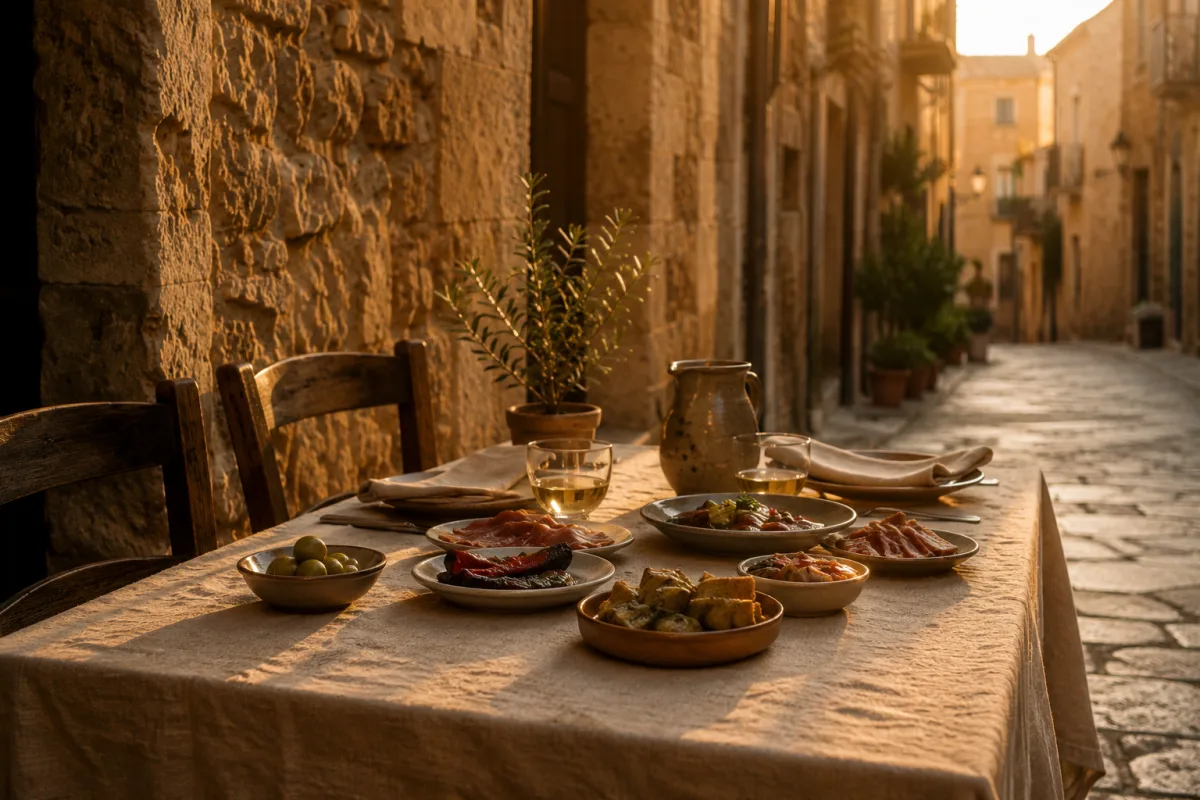
As an aperitif, black pork from Bigorre, a rustic breed from the Pyrenean foothills saved from extinction. As a starter, asparagus from Val-de-Loire, a seasonal vegetable and a nod to the garden of France. For the main course, Bourbonnais poultry. Then a cheese platter “from our regions” and a chocolate tart, all accompanied by fine wines and champagnes.
At first reading, nothing spectacular. This is precisely where the skill lies. Donald Trump is known for classic, even Spartan tastes: meat, simple preparations, traditional desserts. Serving him avant-garde, intellectualized cuisine would have been a mistake in tact - a dinner designed for the host and not for the guest. By opting for identifiable, generous, relatable products, the Élysée has reconciled two rarely combined requirements: flattering the guest’s palate and asserting an identity. The terroir, here, is not a retreat; it’s a demonstration.
Bourbonnais poultry, emblem of discreet excellence
If I had to choose just one dish, it would be this one. Recognized as a Protected Designation of Origin since November 2023, Bourbonnais chicken belongs to a circle of extreme rarity: France has only two AOP poultry, it and the famous Bresse poularde. Aged for more than a hundred days, slow growth of an ancient breed, finishing with milk according to the customs of yesteryear: the sector, reduced to a handful of breeders, claims this niche status - remaining small to remain excellent.
We understand, therefore, the emotion aroused in Allier. Hoisting such a confidential product to a presidential table, without even the sector having been informed, is to offer it consecration at the top of the State. This is the other function of a diplomatic menu: it consecrates. By preferring Bourbonnais to more publicized poultry, the Élysée has highlighted this France of discreet excellence that the country likes to present to the world.
Gastrodiplomacy, or the art of calibrating the table to the guest
This dinner illustrates a discipline too often relegated to social anecdote: gastrodiplomacy, the deliberate use of the table as an instrument of influence. A state menu is not only composed according to the season or protocol; it is calibrated on the guest - their tastes, their constraints, their relationship with the host country.
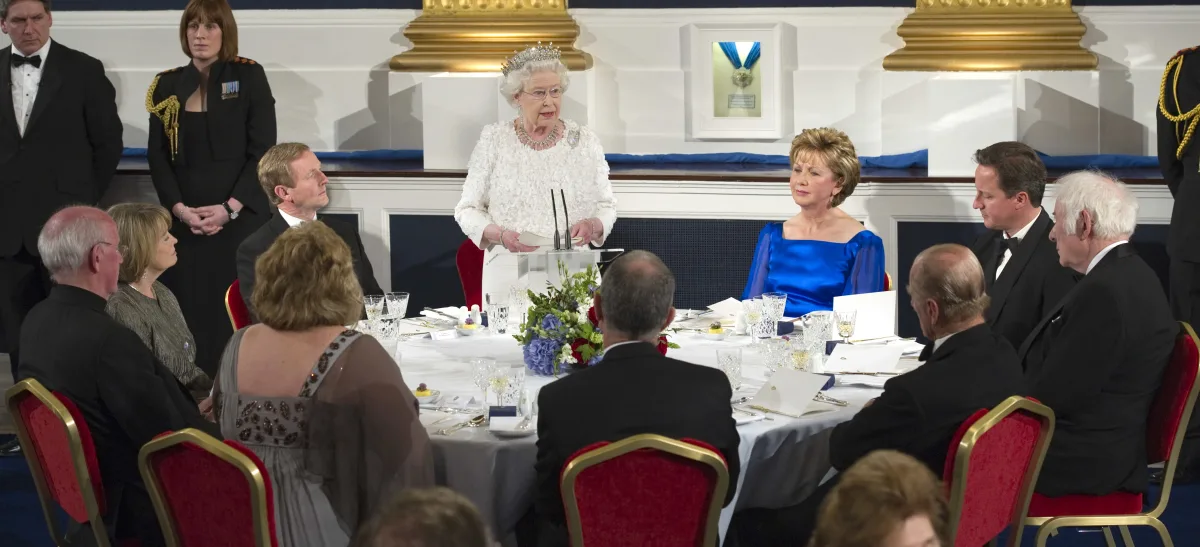
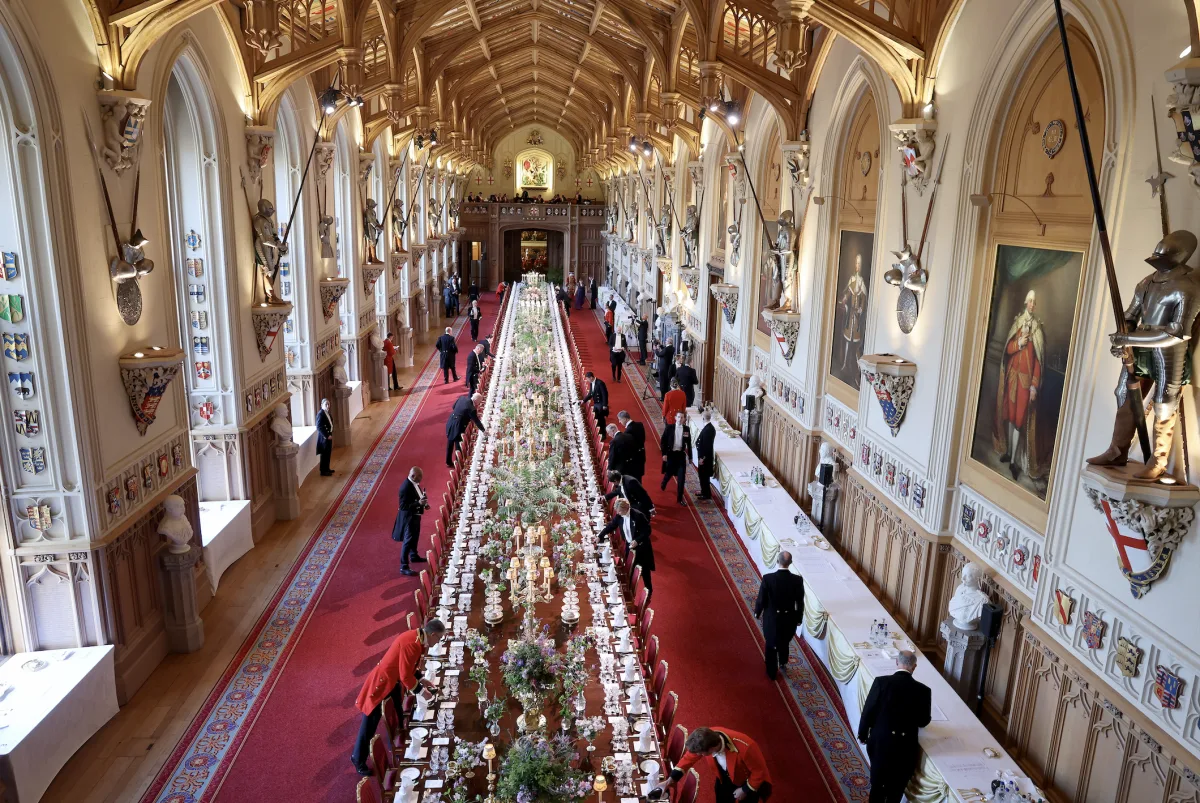
The contrast with the state visit of Charles III in 2023 is striking. Where the British sovereign was received with a very large-scale display - a dinner costed by the Court of Auditors at nearly 475,000 euros - Donald Trump was received in a tight format. The splendor, this time, was due to the decor and the meaning, not to the number of place settings. “This is not a gala dinner,” Macron insisted: a sober and readable menu, for an evening that we wanted to be effective rather than ostentatious. Because the issue was not the table. It was that evening that Donald Trump signed, in Versailles, the agreement with Iran putting an end to hostilities in the Middle East, while a telephone exchange with the Ukrainian president was organized at the initiative of France. Dinner was not the event; he was its showcase.
Versailles right on the plate
“Versailles is a diplomatic instrument and an instrument of power,” assumed the head of state. If the castle is an instrument, the table is its final register - the one where history is tasted as much as it is contemplated. The place already carried a considerable burden: it was here that the Count of Vergennes convinced Louis XVI to support the American insurgents, that Benjamin Franklin came to plead their cause, that the peace consecrating their independence in 1783 was negotiated. To this diplomatic history, the menu added the geography of the French provinces - the South-West, the Loire Valley, the Allier, the cheese-producing Auvergne.
This is the lesson of June 17. A successful state dinner is not measured by the price of caviar, but by the accuracy of its signals. By serving its land rather than its gold, France has spoken a language that everyone understands - that of the soil, know-how and pride - in the service of a political end. The table, here, did not accompany diplomacy: it was part of it.