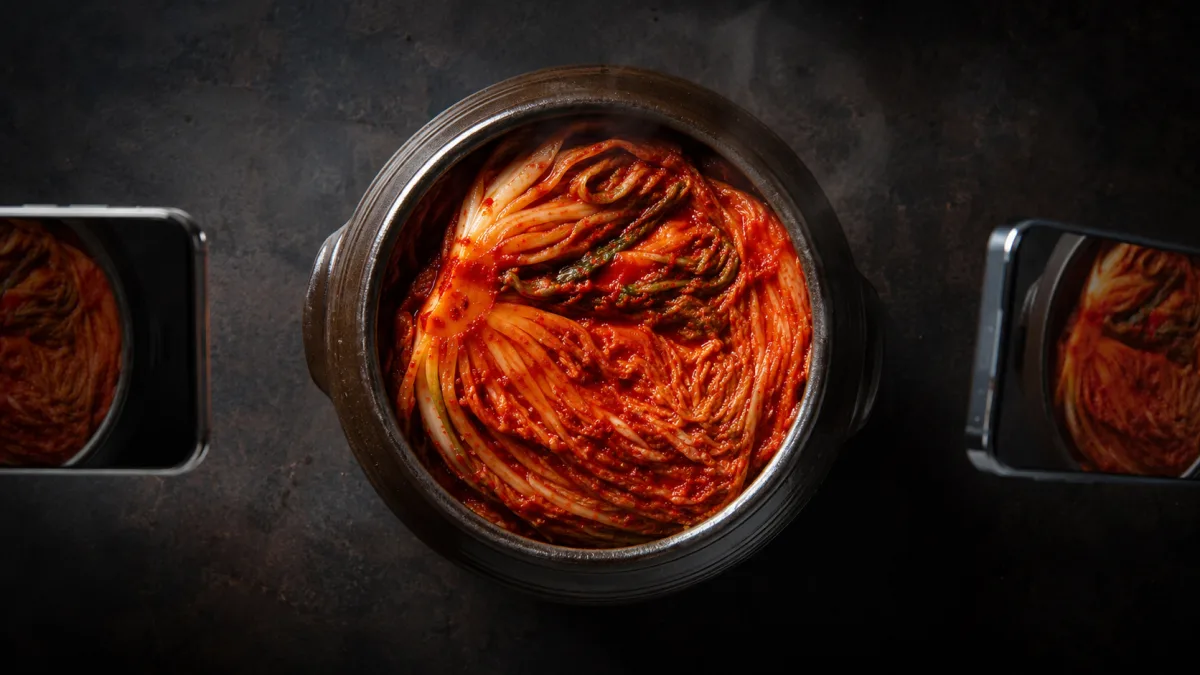
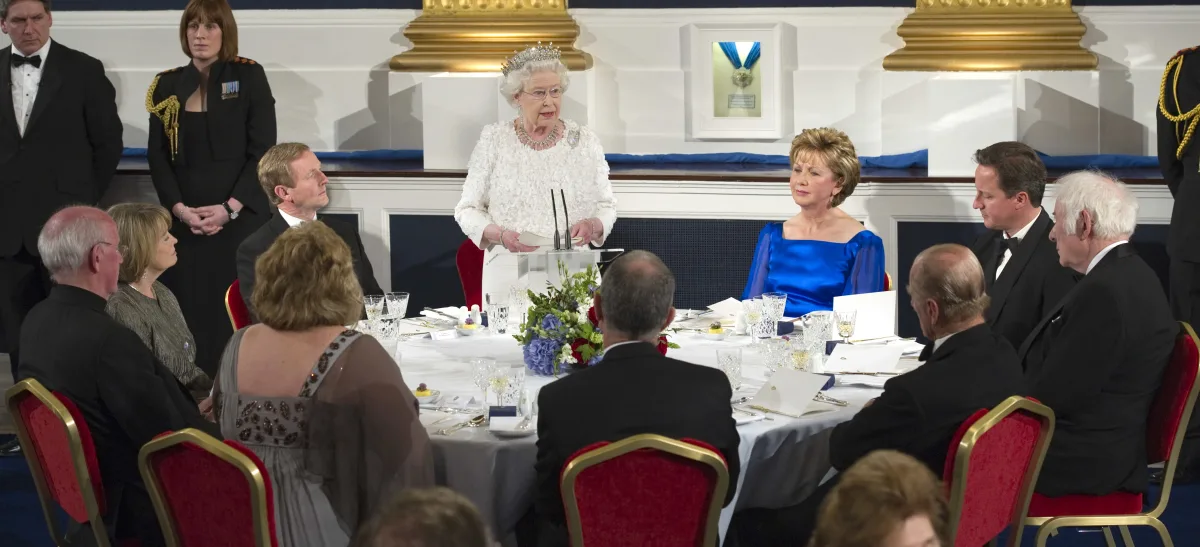

May 2011, Queen Elizabeth II is received in Dublin.
This is the first visit by a British sovereign to independent Ireland in a century, between two countries that have been opposed for eight hundred years of history.
For the occasion, Ireland is creating a “100% Irish” meal, where each dish becomes a gesture of pride and peace.
Story of a dinner which sealed a reconciliation.
Some reconciliations involve a treaty. This went through a plate.
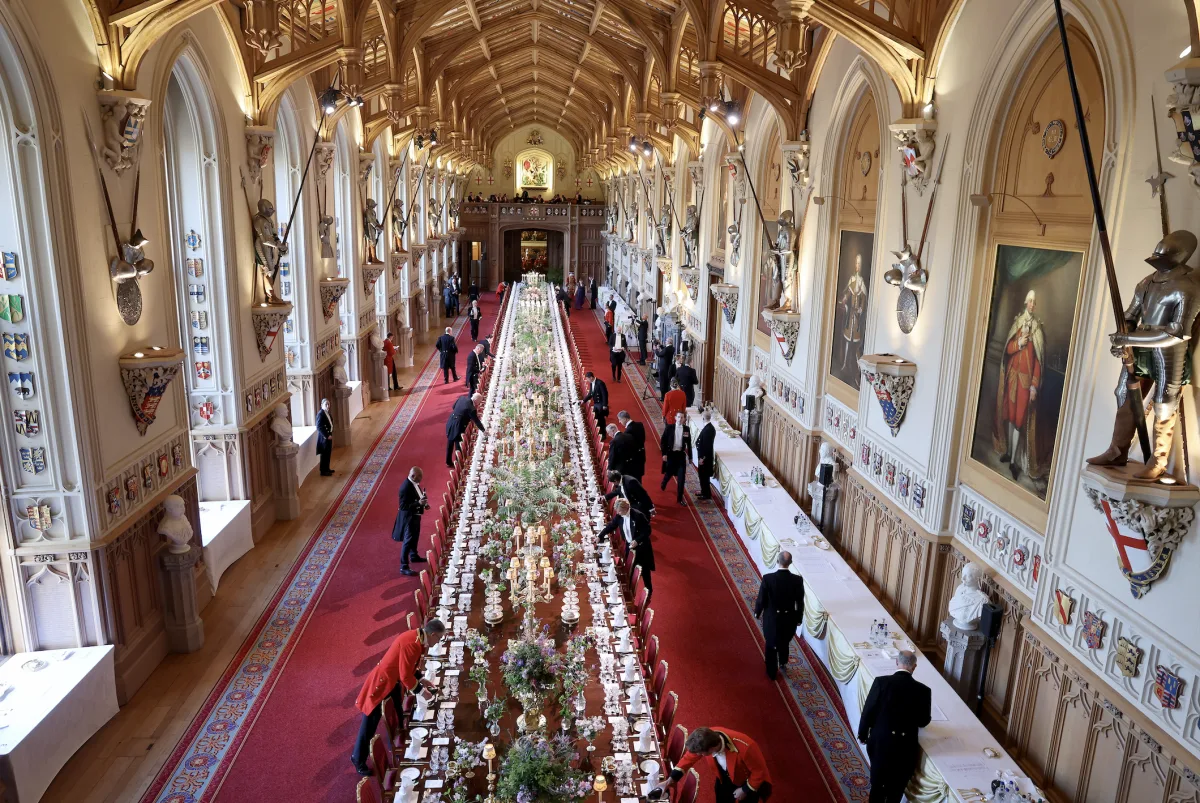
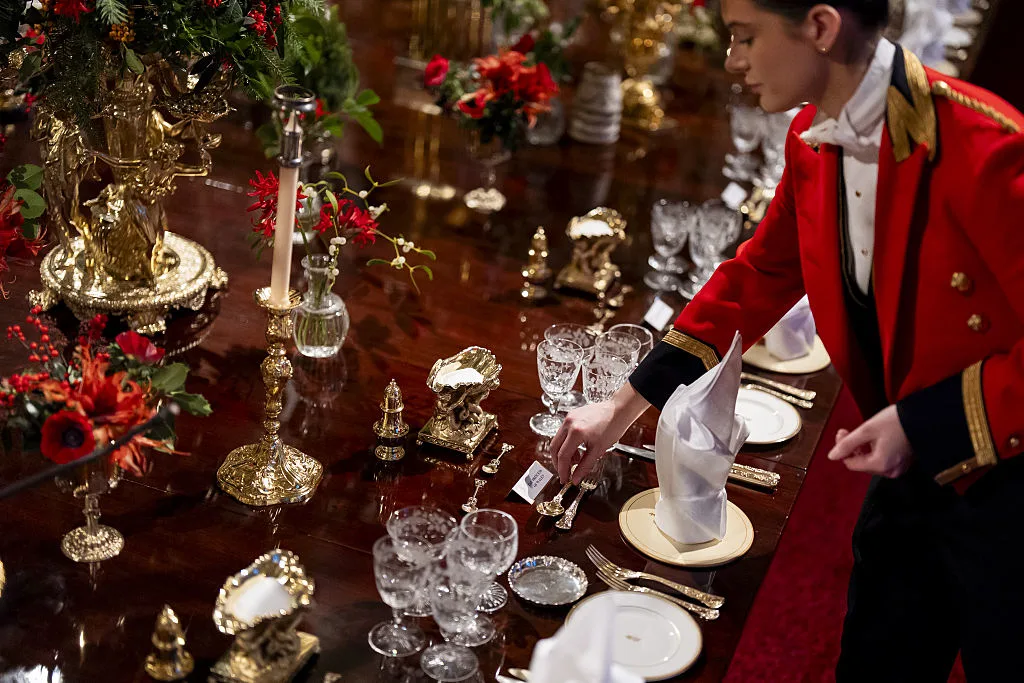
On May 18, 2011, at Dublin Castle, the Queen of England sat down at the table of the President of Ireland. The gesture seems simple. It puts an end, symbolically, to one of the longest enmities in Europe.
To understand the weight of this moment, you need to know the history of the two countries. For centuries, Ireland was dominated by its British neighbor. Independence, won in 1922, did not erase the wounds, and the conflict continued into the 20th century in Northern Ireland, which remained British. It took the so-called “Good Friday” peace agreement in 1998 to turn the page on the violence. The arrival of the Queen, thirteen years later, is the first of a British monarch reigning in the Republic of Ireland since 1911. In other words, an immense event, watched with emotion by an entire country.
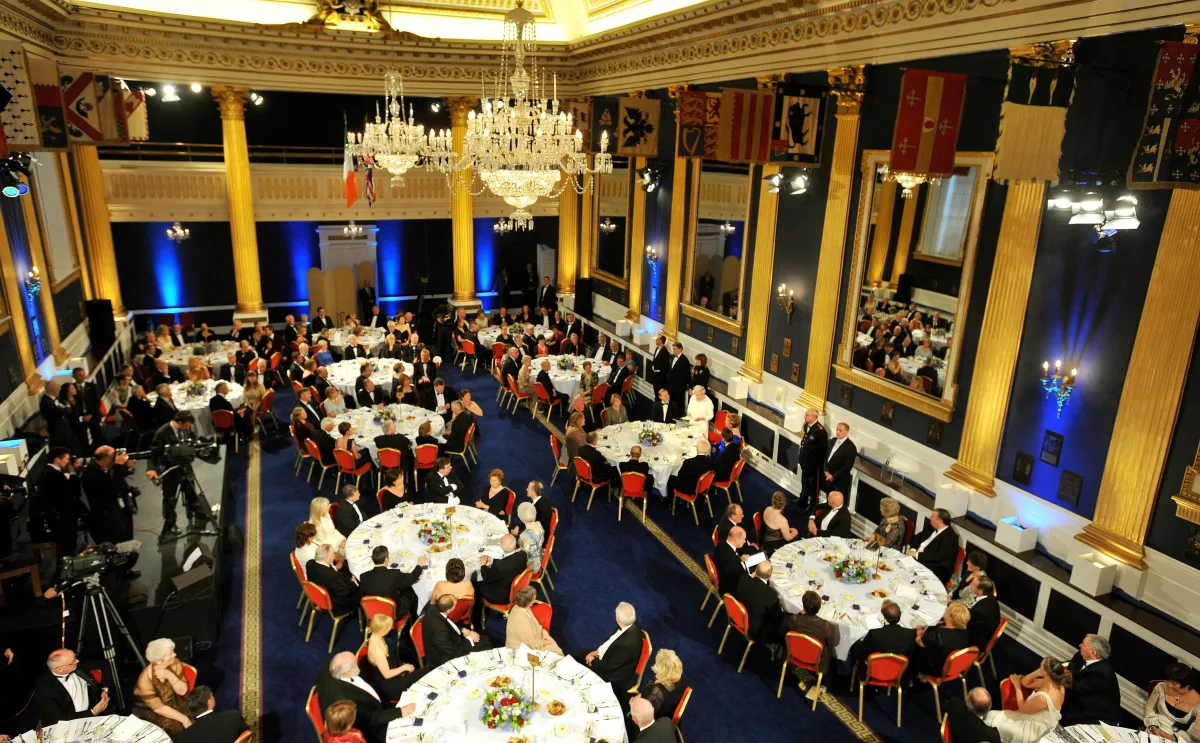
A brief in three words: “100% Irish”
Responsibility for the state dinner falls to a Dublin chef, Ross Lewis. The public body responsible for Irish food, Bord Bia, sent him instructions of striking clarity. The menu must be entirely Irish. The main dish must be beef. And the meal must show “the best of Ireland”. The project even received a name: “Ireland on a Plate”, that is to say “Ireland on a plate”.
Behind these instructions lies a political intention. Receiving the Queen of England with French or international cuisine would have been a missed opportunity. By choosing to serve only Irish produce, the country is sending a quiet and powerful message: we are no longer a dominated land, we are a nation that proudly presents its own wealth. The menu becomes a manifesto.
A meal that reads like a map of Ireland
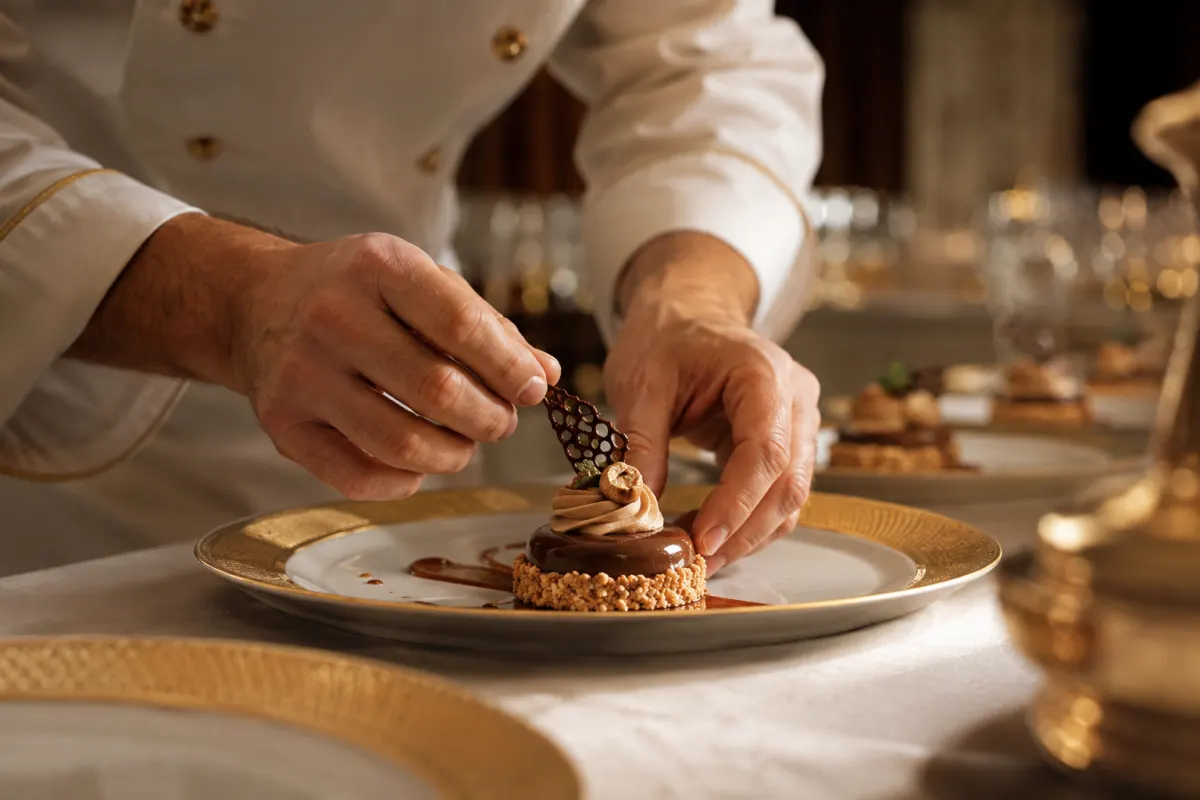
Each dish tells a story of a place. As a starter, salmon from Clare Island, a western island, served with smoked salmon cream from the Burren region, Kilkenny rapeseed oil and wild watercress. The main course features prime rib from the Slaney Valley, accompanied by seasonal vegetables and wild garlic. Next comes Irish cheeses, then a dessert made with cream from County West Cork and strawberries from County Meath.
Through this menu, the entire geography of Ireland parades: its islands, its rivers, its farms, its cheesemakers. The country does not just feed its guest. He shows him around his territory, dish after dish. Researcher Elaine Mahon, who studied this banquet, sees it as “a theater of political and cultural diplomacy”. It recalls a truth that our series continues to come across: a state menu is never innocent, it is constructed like a speech.
The gestures that surround the table
The dinner only takes on its full meaning when placed in the context of the visit as a whole. A few hours earlier, the queen had visited the Garden of Remembrance in Dublin, which honors the Irish who died for independence against Great Britain. Seeing a British sovereign bow her head to these deaths was, for many Irish people, a moving moment.
In the evening, during her speech, the Queen begins with a few words in Irish: “A Uachtaráin agus a chairde”, that is to say “President and friends”. The room is seized. No one expected the Queen of England to open her address in the long-suppressed language of the Irish people. The meal and these words form a whole. Together, they express respect, listening and regret.
The table as reconciliation
You have to stay fair, as always in this series. It wasn’t this dinner that brought peace. The difficult political work had been accomplished thirteen years earlier, with the 1998 agreement. The banquet signed nothing, negotiated nothing. But he did something that treaties cannot do: he made reconciliation visible, sensitive, almost palpable, for millions of people.
Seeing the queen taste Irish salmon, greeting the president in Irish, honoring the dead of independence, all this offered the two peoples an image of peace that no speech would have been enough to impose. The table transformed a written agreement into shared emotion. This is the characteristic of diplomatic cuisine when it succeeds: it does not replace politics, it gives it a human face.
After Vienna, where the table was used to regain rank, after Bangkok, where it was used to sell an image, Ireland in 2011 shows a third power of the shared meal. Between two reconciled peoples, a plate can be worth a handshake. And sometimes, it precedes it.