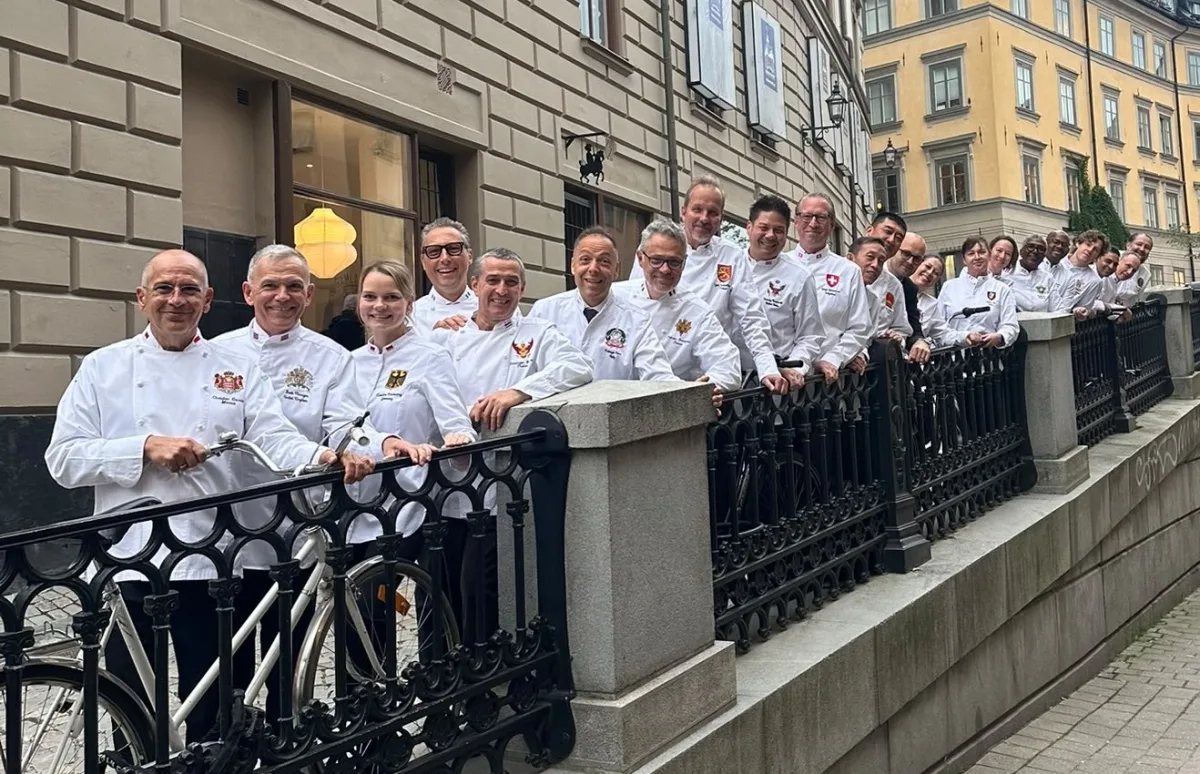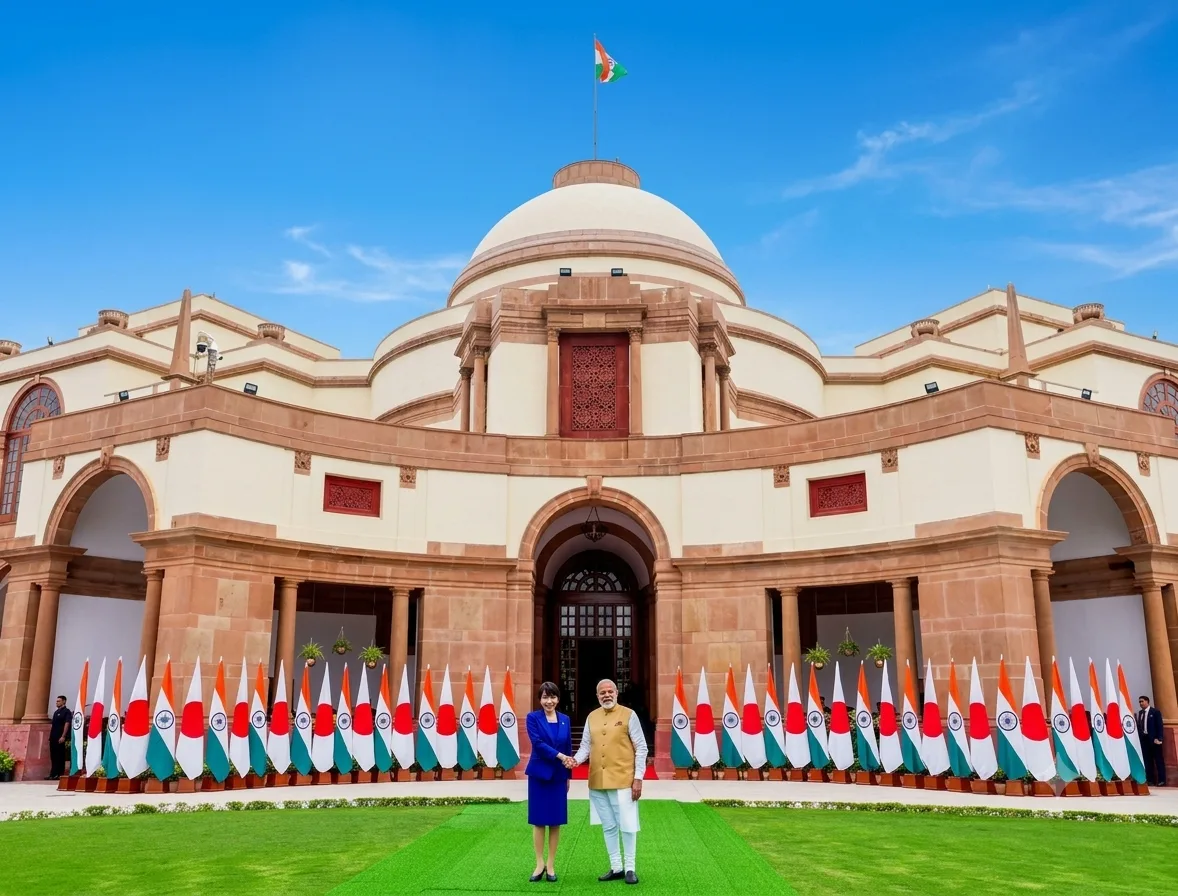
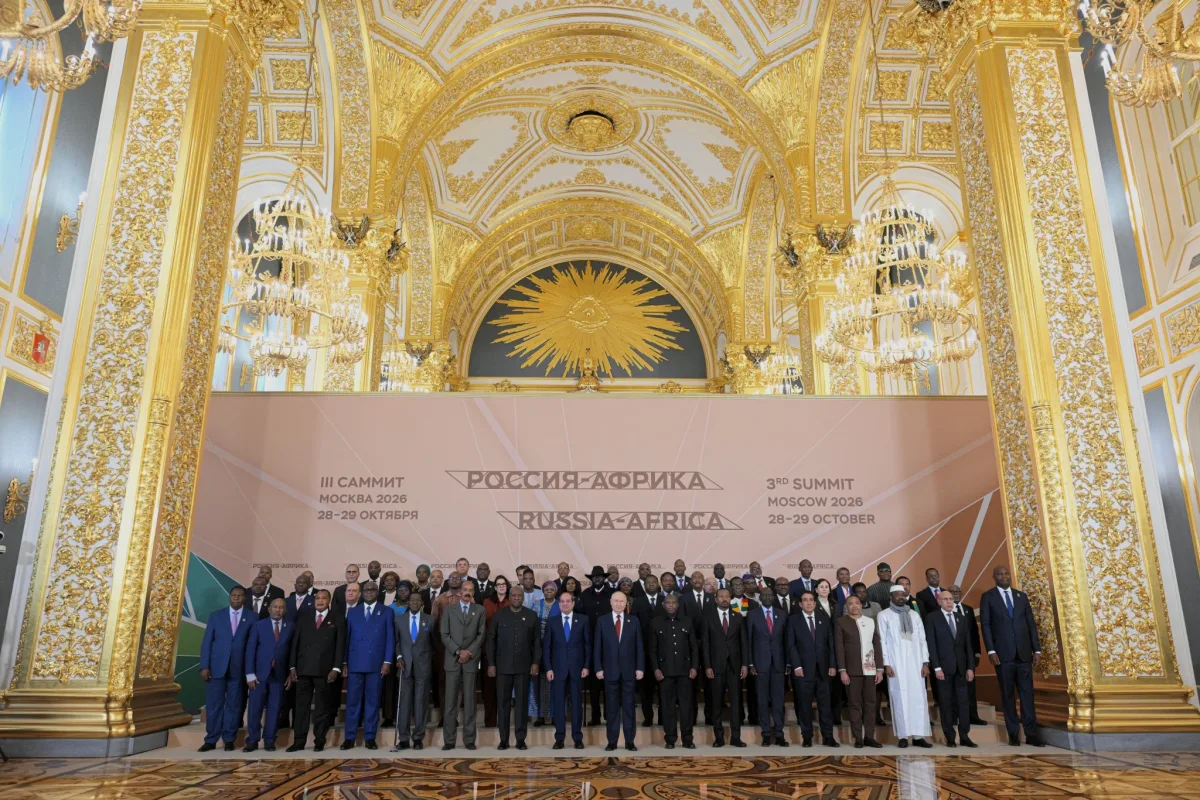
Heads of state and delegation gathered at the Grand Kremlin Palace for the official photograph of the third Russia-Africa summit, October 29, 2026.
In the Kremlin, a reception can span centuries.
On October 28, 2026, Vladimir Putin received the heads of delegations from the Russia-Africa summit in the Faceted Chamber. This place, confirmed by the report of the Russian Foreign Ministry, belongs to the long history of palace audiences and banquets. It offers a particular light on the evening: that of a room whose layout has long been used to receive, seat and honor guests.
Begun in 1487 under Ivan III, completed in 1491, the Faceted Chamber is the work of Italian architects Marco Fryazine and Pietro Antonio Solari. Its name comes from the white stones of its eastern facade, cut into diamond points.
Inside, the room covers nearly 500 square meters around a single pillar supporting four vaults. This architecture imposes a central presence around which the entire space is organized.
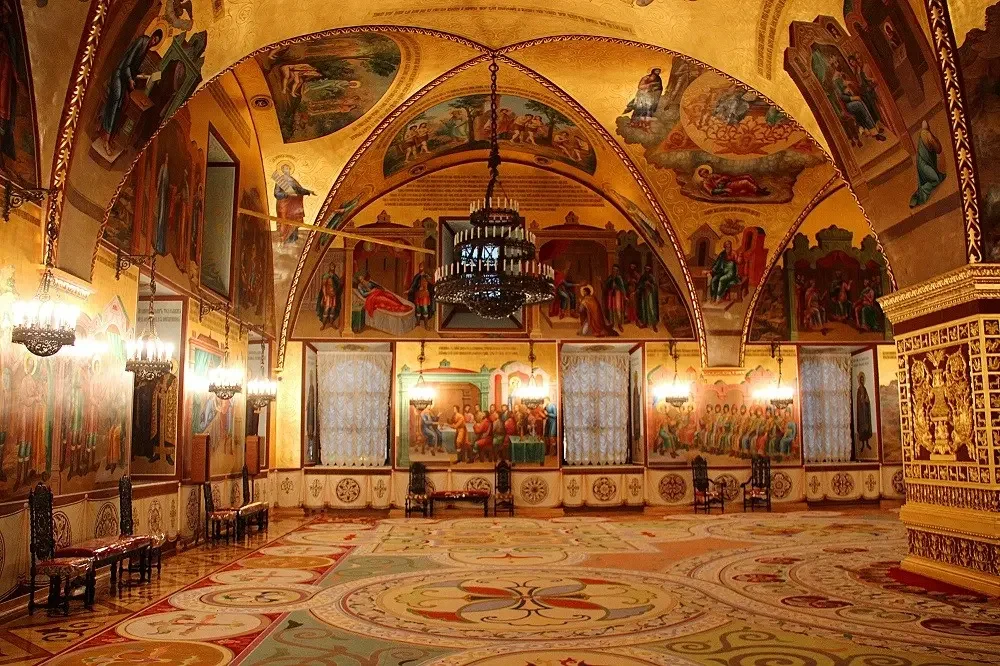
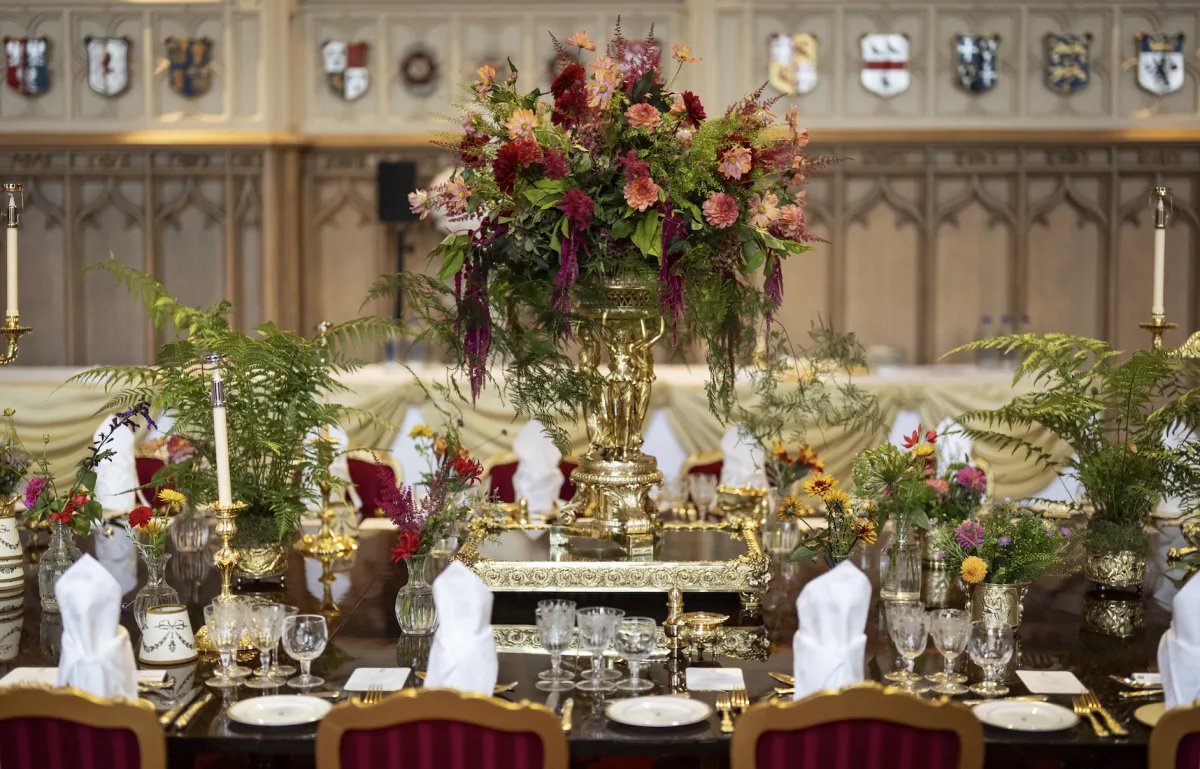
This pillar is also a witness to ancient table uses. During the coronation feasts, a so-called “sovereign’s” buffet was set up around him. The Kremlin Museums describe its shelves loaded with dishes, jugs, hanaps and cups. Gold and silver rubbed shoulders with crystal, jasper and mother-of-pearl. Some objects were made from more unexpected materials, such as coconut or ostrich egg. This presentation showed the riches of the treasure to the guests gathered in the room.

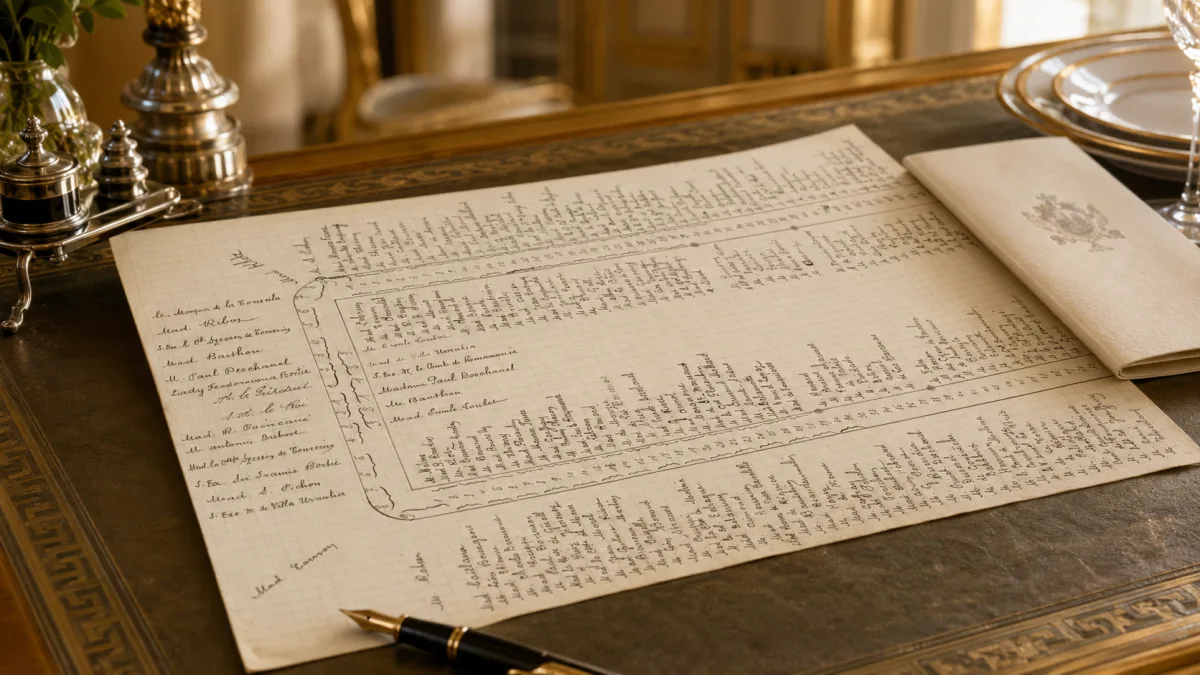
The preparation involved the entire room. Oriental rugs covered the floor, colorful fabrics covered the benches and precious crockery adorned the tables. For the coronation banquet, the throne and the tsar’s table occupied a platform, under icons with precious coverings. In a representation of Michael Romanov’s feast presented by the museums, the clergy and nobles take their places at separate tables along the walls. The rank of the guests could be read in their location.

A Kremlin guide published in 1912 specifies that the gold and silver coins displayed on the four levels of the buffet were usually kept in the Palace of Armor. Their installation accompanied the imperial stay. Behind this indication lies a very concrete task: taking out the objects, arranging them and preparing their presentation before the arrival of the guests. Goldsmithing constituted part of the reception work, with its own handling and furniture.
The walls also bear witness to a transmission. In 1668, Simon Ushakov renewed the paintings and compiled an inventory of their subjects. This survey served as a reference for the icon painters of Palekh who created the current decoration in the 19th century. The Faceted Chamber was then integrated into the entire Grand Palais during its construction, between 1838 and 1849.

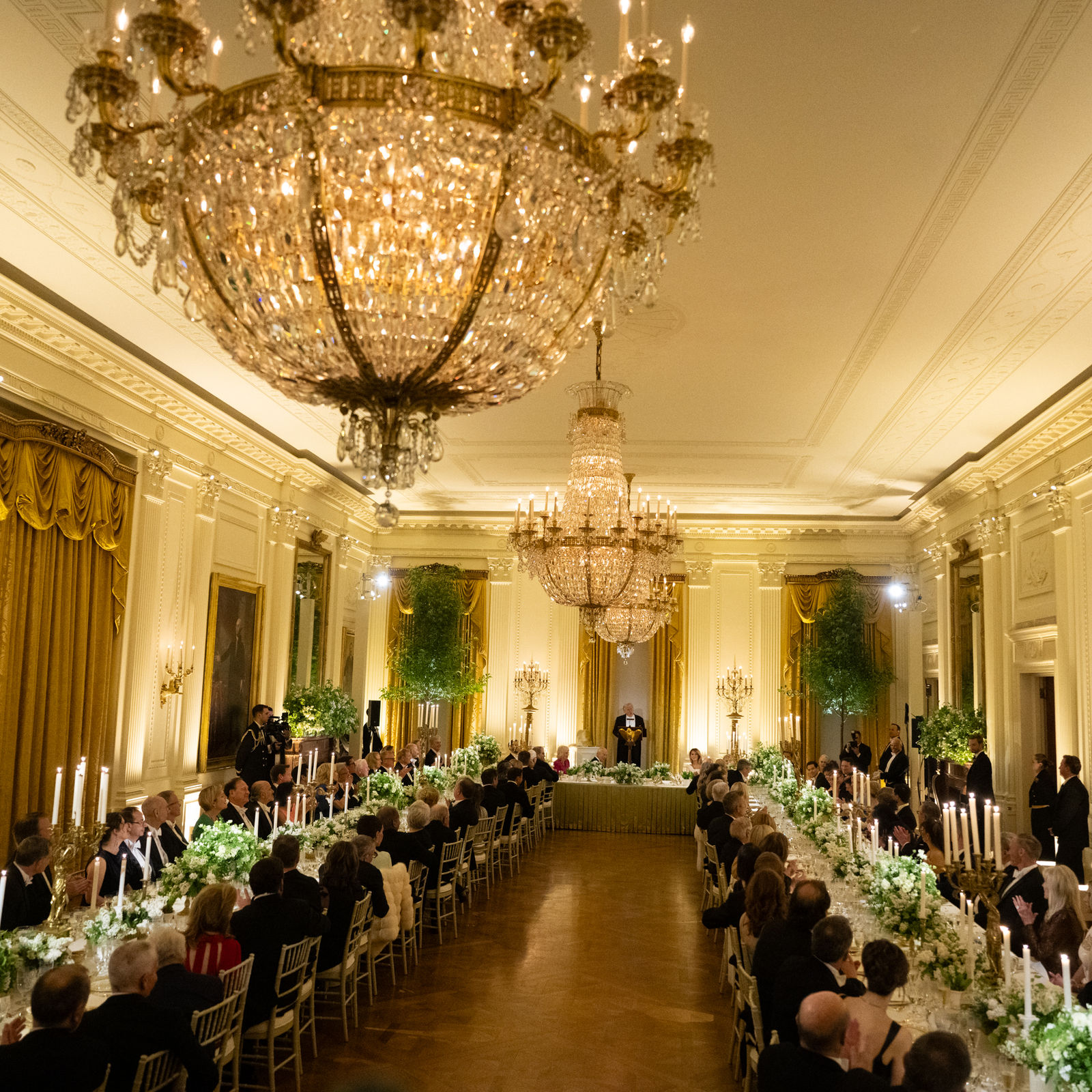
The hall continued to host official meals under other regimes. A photograph from the Australian diplomatic archives shows the dinner with Soviet leaders during Bob Hawke’s visit to Moscow in December 1987. The guests, the tables and the service belong to another era; the vaults allow you to immediately recognize the place.

The reception of the Russia-Africa summit is part of this succession of uses. She reminds us how the history of an official meal also depends on the places that host it. In the Faceted Chamber, it retains a very precise anchor point: this pillar around which, before the feast, the sovereign’s cups and ewers were placed.
SOURCES AND CREDITS
Sources: Kremlin Museums; Russian Ministry of Foreign Affairs; official photo library of the 2026 Russia-Africa summit; guide to the Kremlin by S. de Bartenev, 1912; Australian diplomatic archives.
Photographs: family photo from October 29, 2026, reproduced with special permission from the Kremlin, author credit to be completed; Gérard Janot and polikliet / Wikimedia Commons, CC BY-SA 3.0; Vassili Timm, Coronation Banquet of Alexander II, 1856, public domain; Department of Foreign Affairs and Trade, Australia / Wikimedia Commons, CC BY 4.0.
Licenses: CC BY-SA 3.0 · CC BY 4.0.