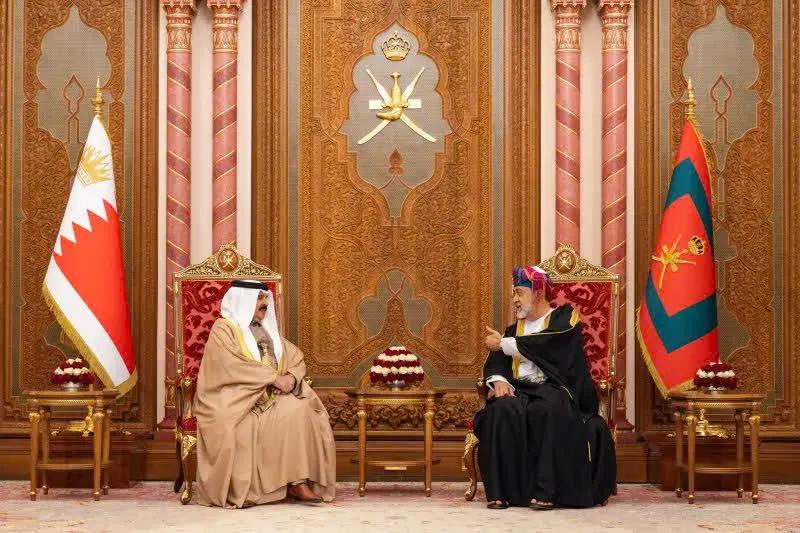
On January 14, 2025, the procession of the King of Bahrain crossed the Muscat Gate between two hedges of camel drivers, then marched to the courtyard of Al Alam. Trumpets, twenty-one cannon blasts, a hymn, handshakes. Then, according to a custom that official communiqués record visit after visit, the sultan leads his guest to the living room.
Before any state conversation, coffee is served there.
From the Muscat Gate to the main courtyard
The statement from the Omani Ministry of Foreign Affairs describes the day with the precision of a program. Sultan Haitham bin Tarik himself welcomes King Hamad bin Issa Al Khalifa at the royal airport. Omani Air Force planes escorted the king’s plane since it entered the airspace.
Then comes the crossing of the old town. At the Muscat Gate, royal guard meharists line the road. The royal cavalry, the royal guard and a mounted band escort the procession to the National Museum. In the first courtyard of the palace, citizens and cultural troupes welcome the guest with welcome songs, in the traditional form of ayyala. In the inner courtyard, trumpets announce the arrival and twenty-one cannon shots salute the king. The Sultan leads him to the dais of honor for the Bahraini anthem, then each greets the other’s delegation: members of the royal family, presidents of the Council of State and the Consultative Council, ministers, military and police chiefs.
The press release of that day ends there. Others, written on the same model, tell the rest. In October 2024, after the honors paid to Algerian President Abdelmadjid Tebboune, the sultan and his guest went to the living room, where they had coffee. For the King of Jordan, in October 2022, the formula is even more precise: the sultan and his guest go to the majlis, where Arabic coffee is served.
For a protocol professional, details count. An official statement only notes what is part of the ceremony. At Al Alam, coffee is part of the program, just like the anthem.
“The sultan and his guest go to the majlis, where Arabic coffee is served. » Omani Ministry of Foreign Affairs, October 2022
A palace for entertaining, built on the foundations of another
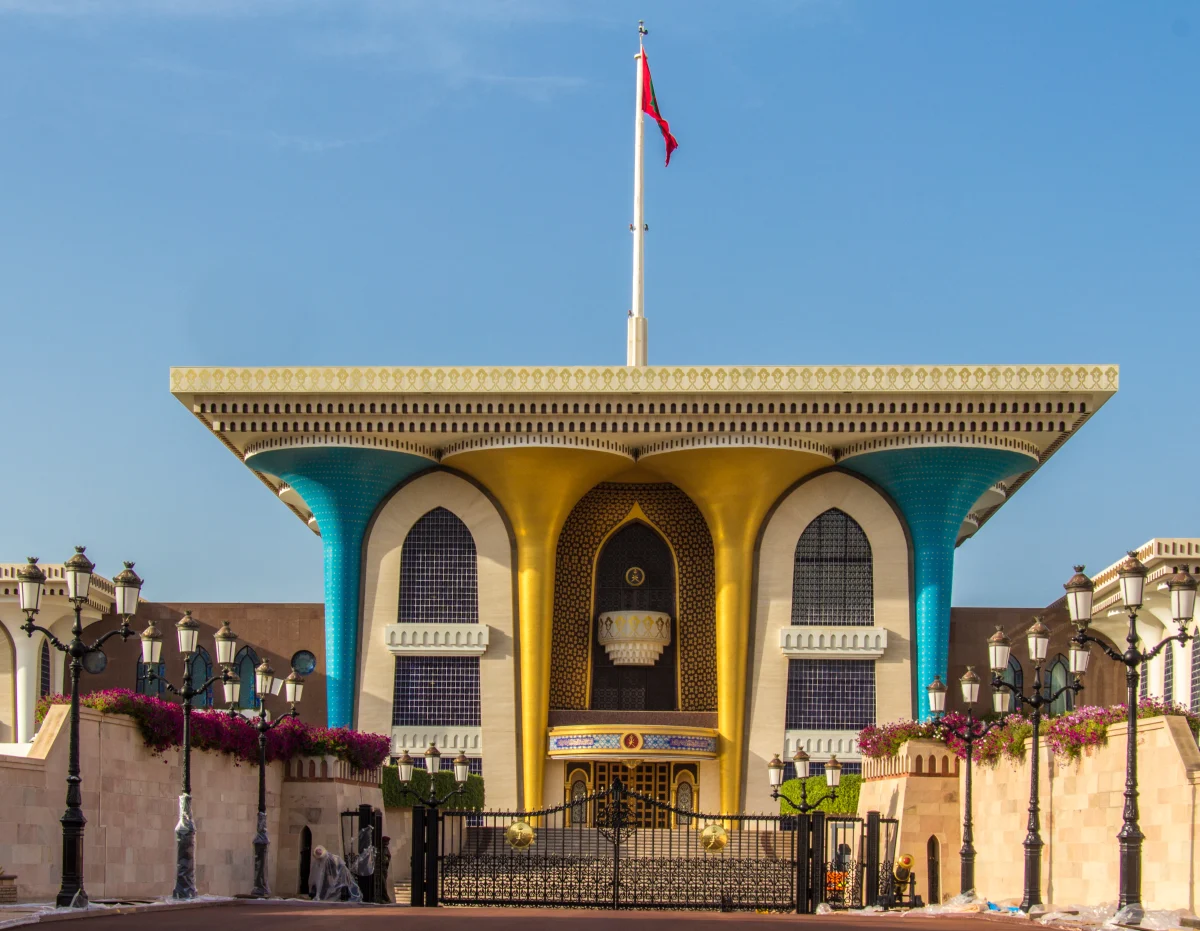
Al Alam means “the flag”. The palace stands facing the port, between two 16th century forts built by the Portuguese, Al Jalali and Al Mirani. Its blue and gold columns, flared into a funnel, support a flat roof from which rises a solitary pole: that of the flag which gives it its name.
The place is older than the building. At the beginning of the 19th century, Sultan Saïd ben Sultan had a first residence built here, Bayt al-Alam, on the foundations of the old sea wall. Damaged in 1895, it was not restored due to lack of means, then remained closed while Sultan Saïd ben Taïmour resided mainly in Salalah. It was demolished in 1971. The new palace, wanted by Sultan Qaboos ben Said and designed by the Indian firm Shapoorji Pallonji, took its place. The most commonly cited completion date is 1972; However, the historian J. E. Peterson indicates that the project launched in 1971 was still in progress in 1975.
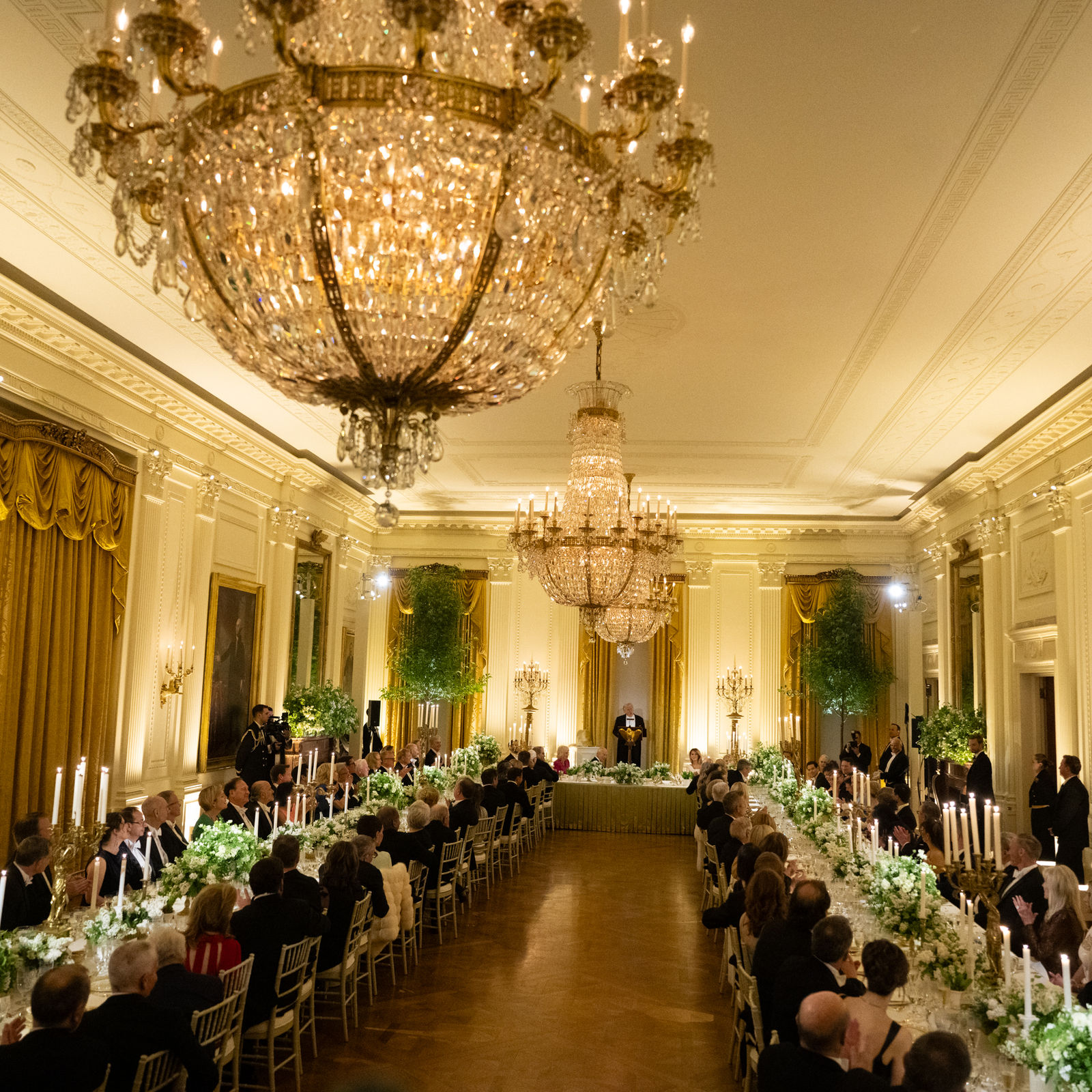
The palace is not made for daily life: it is the sultan’s ceremonial palace, that of official welcomes, interviews and dinners. Large meals are held in its guest house. On the evening of January 14, 2025, the Sultan hosted an official dinner there in honor of the King of Bahrain. Before sitting down to eat, the two sovereigns exchange commemorative gifts.
This is also where the country receives mourners. In January 2020, after the death of Sultan Qaboos, his successor received Gulf leaders, personalities from all over the world and ordinary citizens who came to offer their condolences in Al Alam.

Coffee, served according to the rule
In 2015, UNESCO included Arabic coffee on its Representative List of Intangible Cultural Heritage, at the request of the United Arab Emirates, Saudi Arabia, Oman and Qatar. The text of the decision describes it as a ceremonial act of generosity, and it sets out the gestures. Coffee is traditionally prepared in front of the guests. The most important or oldest guest is served first, the cup a quarter full, which can be reserved. The custom is to drink at least one, without more than three.
The Omani national inventory of intangible heritage, deposited with UNESCO, adds the house rules. We never fill the cup. We never serve in a chipped cup, even a modest one. The guest shakes his cup lightly to indicate that he has drunk enough, then returns it to the young man who serves, without ever putting it on the ground. When the registration is extended to 2024, the file specifies that the coffee is poured with the right hand.
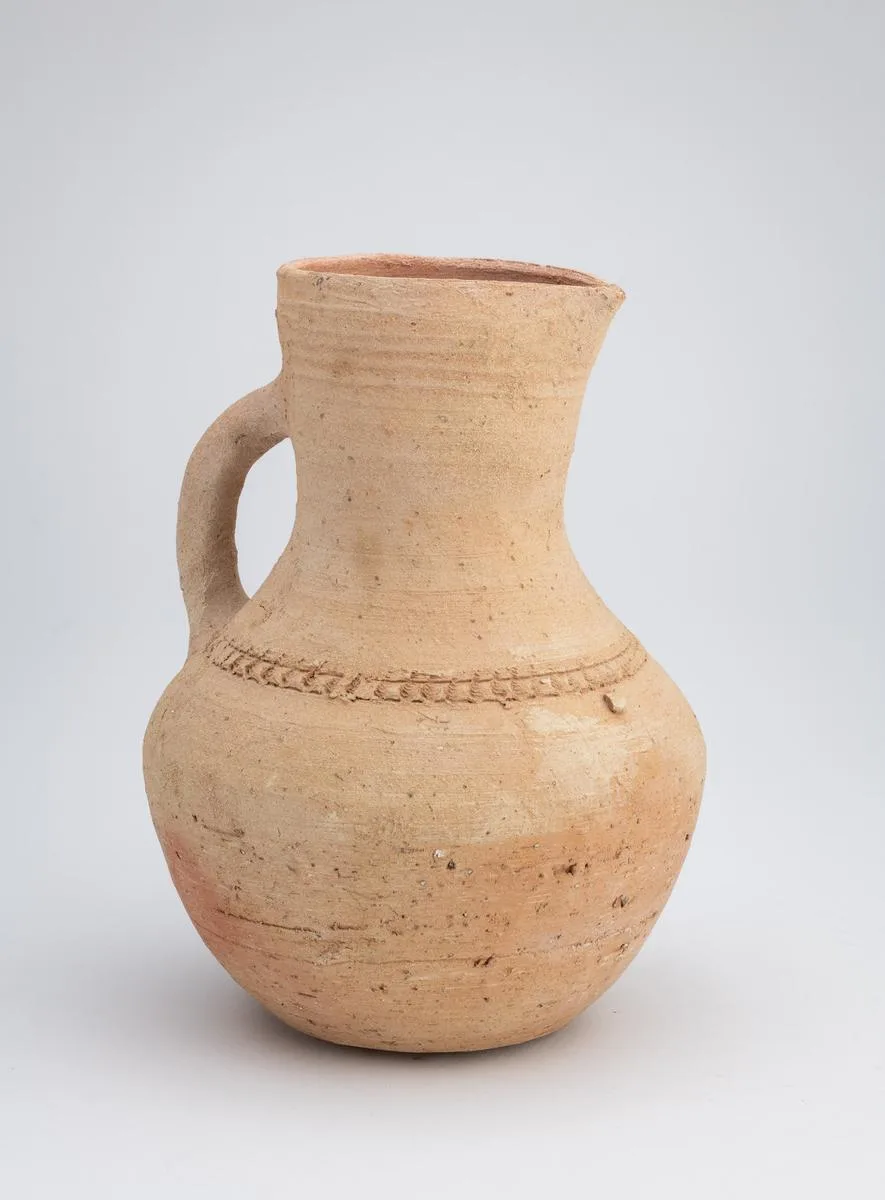
A detail interests the steward. The UNESCO decision notes that for special occasions, preparation and serving are entrusted to specialists. At the Al Alam majlis, the man who holds the dallah, the long-spouted coffee pot, knows who to serve first, how much to pour, and when to stop.
“A ceremonial act of generosity. »
UNESCO, decision of the Intergovernmental Committee, 2015
The incense of Dhofar, where the press releases are silent
Official press releases do not mention incense. There is therefore nothing to confirm that he is traveling to the Al Alam majlis during a state visit. However, he is one of the great symbols of Oman, and he is never far from the palace.
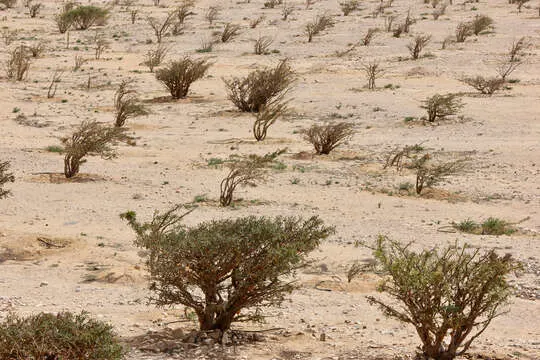
It comes from Dhofar, in the south of the country, where the Boswellia sacra grows, the tree from which the luban is obtained. In 2000, UNESCO listed the places of this trade as world heritage sites, renamed “Land of Incense” in 2005: the trees of Wadi Dawkah, the remains of the caravan oasis of Shisr, or Wubar, and the ports of Khor Rori and Al Baleed.
Guests of the State encounter its memory along the way. The Bahraini King’s motorcade was escorted to the National Museum before entering the palace courtyard. The gallery that this museum devotes to the Land of Incense presents the long-term trade in incense since the 3rd millennium BC, the varieties of resin and ancient incense burners.
The roads of the sea
The palace looks out over the sea, and its history too. The cardamom that flavors Omani coffee came from the Malabar coast of India, via the Indian Ocean routes. And today’s palace was designed by a Bombay firm.
At the Al Alam lounge, the most powerful guest of the day receives a cup a quarter full. To say that he has drunk enough, he does not need any language: he just needs to shake it gently.
Frequently asked questions
Can we visit Al Alam Palace? No. The interior is not open to the public. The facade can be seen from the gates and the square in front of it, or from the port of Muscat.
Does the Sultan of Oman live at Al Alam Palace? Al Alam is the ceremonial palace of the Sultan. He welcomes heads of state there, holds official meetings and offers dinners in the guest house. Official press releases do not present it as his residence.
What does Al Alam mean? “The flag”. The palace succeeds an older residence, Bayt al-Alam, the “house of the flag”, built at the beginning of the 19th century on the same site.
When was the current palace built? It was commissioned by Sultan Qaboos ben Said after the demolition of the old palace in 1971. The date most often given is 1972, but according to historian J. E. Peterson, work was still continuing in 1975.
Sources and credits
Documentary sources
Official institutions
- Omani Ministry of Foreign Affairs, “King of Bahrain arrives in Oman”, January 14, 2025: https://www.fm.gov.om/en/21038/
- Oman News Agency, “HM The Sultan Hosts Dinner in Honor of King of Bahrain”, January 14, 2025: https://omannews.gov.om/topics/en/102/show/120524
- Omani Ministry of Foreign Affairs (archives), “King of Jordan arrives in Oman”, October 4, 2022: https://archive.fm.gov.om/en/3958/
- UNESCO, decision 10.COM 10.B.32, “Arabic coffee, a symbol of generosity”, 2015: https://ich.unesco.org/en/decisions/10.COM/10.B.32
- UNESCO, “Arabic coffee, a symbol of generosity”, inscription extended in 2024: https://ich.unesco.org/en/RL/arabic-coffee-a-symbol-of-generosity-02111
- UNESCO, national inventory of intangible heritage of Oman: https://ich.unesco.org/doc/src/30287.pdf
- UNESCO, World Heritage Center, “Land of Frankincense” (ref. 1010): https://whc.unesco.org/fr/list/1010
Archives and museums
- Royal Albert Memorial Museum & Art Gallery, Exeter, Omani coffee pot no. 94/1998/90: https://swcollectionsexplorer.org.uk/collections/44ae03a4-6373-3b45-a861-8010899b9e79
Press
- Times of Oman, “Algerian President gets official reception at Al Alam Palace”, October 29, 2024: https://timesofoman.com/article/151465-algerian-president-gets-official-reception-at-al-alam-palace
- Times of Oman, “HM Sultan Haitham opens doors for all”, January 2020: https://timesofoman.com/article/84098-hm-sultan-haitham-opens-doors-for-all
- Oman Observer, “Beauty abounds”: https://www.omanobserver.om/beauty-abounds/
- Oman Observer, the National Museum and the 20th anniversary of the inscription of the Land of Frankincense, December 29, 2020: https://www.omanobserver.om/ampArticle/5880
Specialized publications
- Archnet, “al-Alam Palace”, after J. E. Peterson,
Historical Muscat: An Illustrated Guide and Gazetteer
, Leiden, Brill, 2007: https://www.archnet.org/sites/22198
Photo credits
- Photo of one: facade of Al Alam Palace, Photo12 / imageBROKER / Martin Moxter, ref. BRK19D23_405: https://www.photo12.com/en/image/brk19d23_405
- Photo 1: welcoming ceremony of the King of Bahrain, January 14, 2025, © Ministry of Foreign Affairs of the Sultanate of Oman: https://www.fm.gov.om/en/21038/
- Photo 2: Muscat Harbor and the Sultan’s Palace, circa 1870, British Library, Photo 355/1/42, public domain, via Qatar Digital Library: https://www.qdl.qa/en/archive/81055/vdc_100023618815.0x000009
- Photo 3: Omani coffee pot, Royal Albert Memorial Museum & Art Gallery, Exeter City Council, n° 94/1998/90, CC BY-NC 4.0: https://swcollectionsexplorer.org.uk/collections/44ae03a4-6373-3b45-a861-8010899b9e79
- Photo 4: Incense trees in Wadi Dawkah, Armatus1995 / Wikimedia Commons, CC BY-SA 3.0: https://www.eol.org/media/28984110