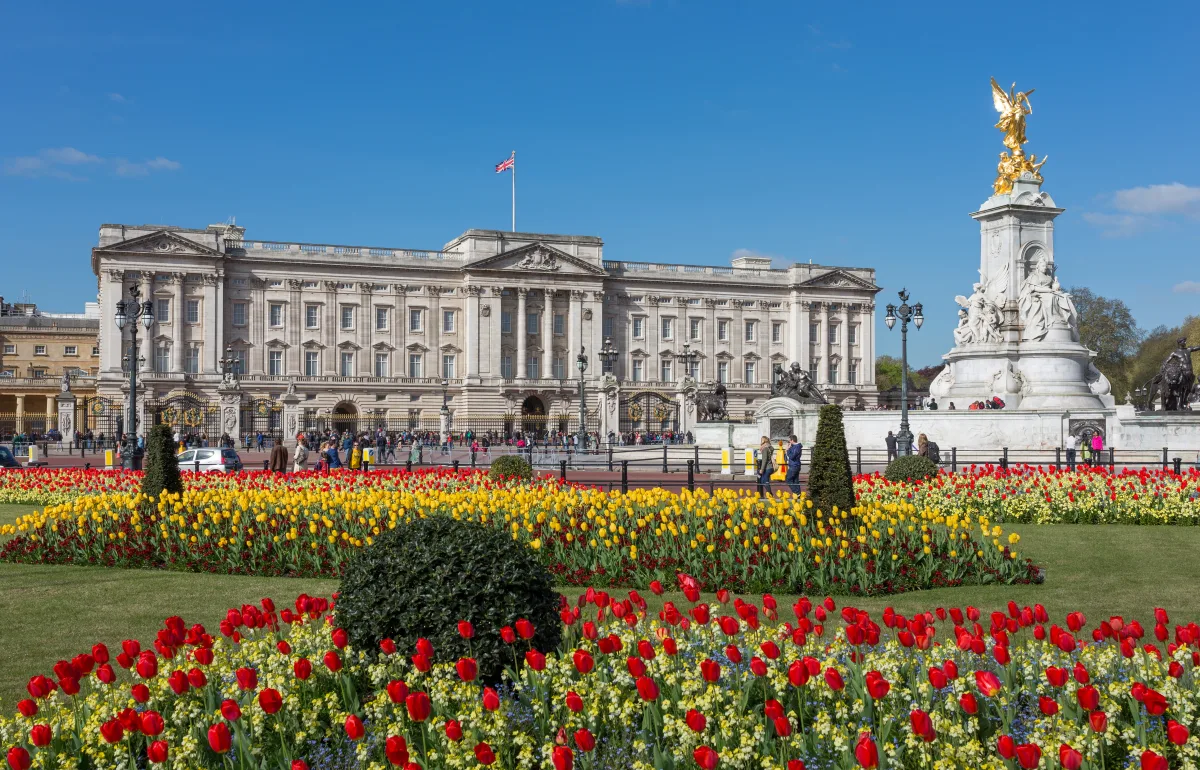
King Charles III will not walk through the door of his private apartments at Buckingham Palace.
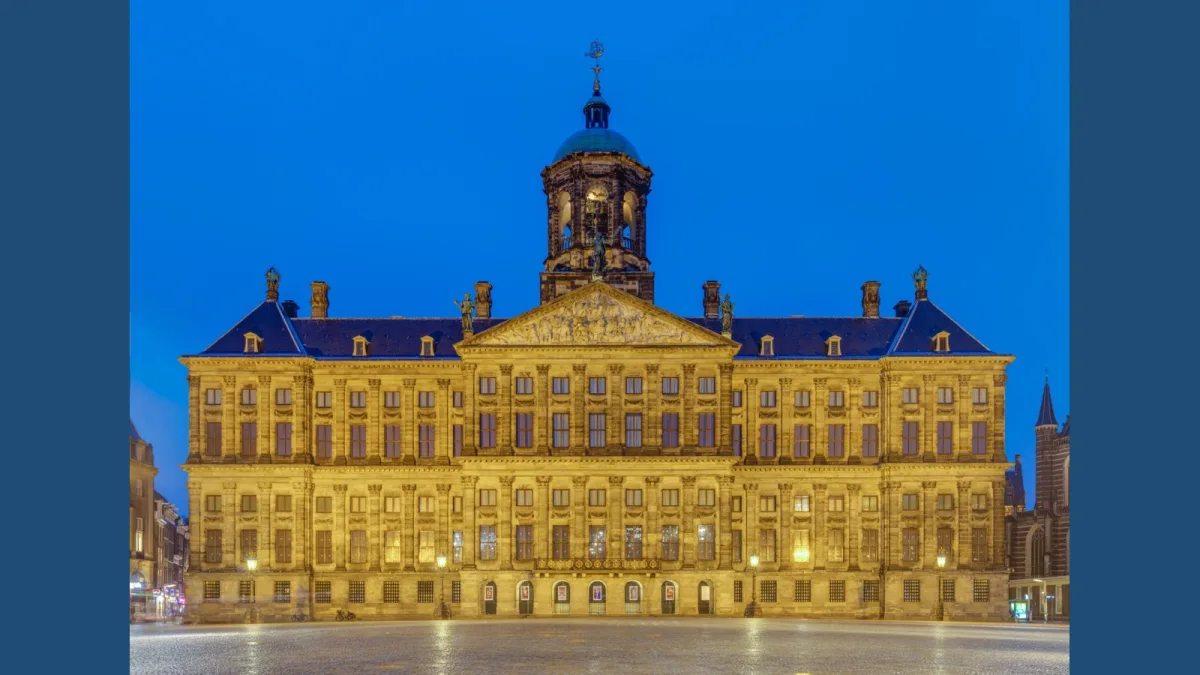
The 755-room palace, whose boilers and electrical cables have just been completely replaced at a cost of 428 million euros, will welcome its resident from a new perspective: that of a sovereign in office rather than a monarch at rest.
This decision, announced in June 2026, is not a rejection of the palace, but its architectural redefinition. Buckingham remains the ceremonial and operational center of royal life.
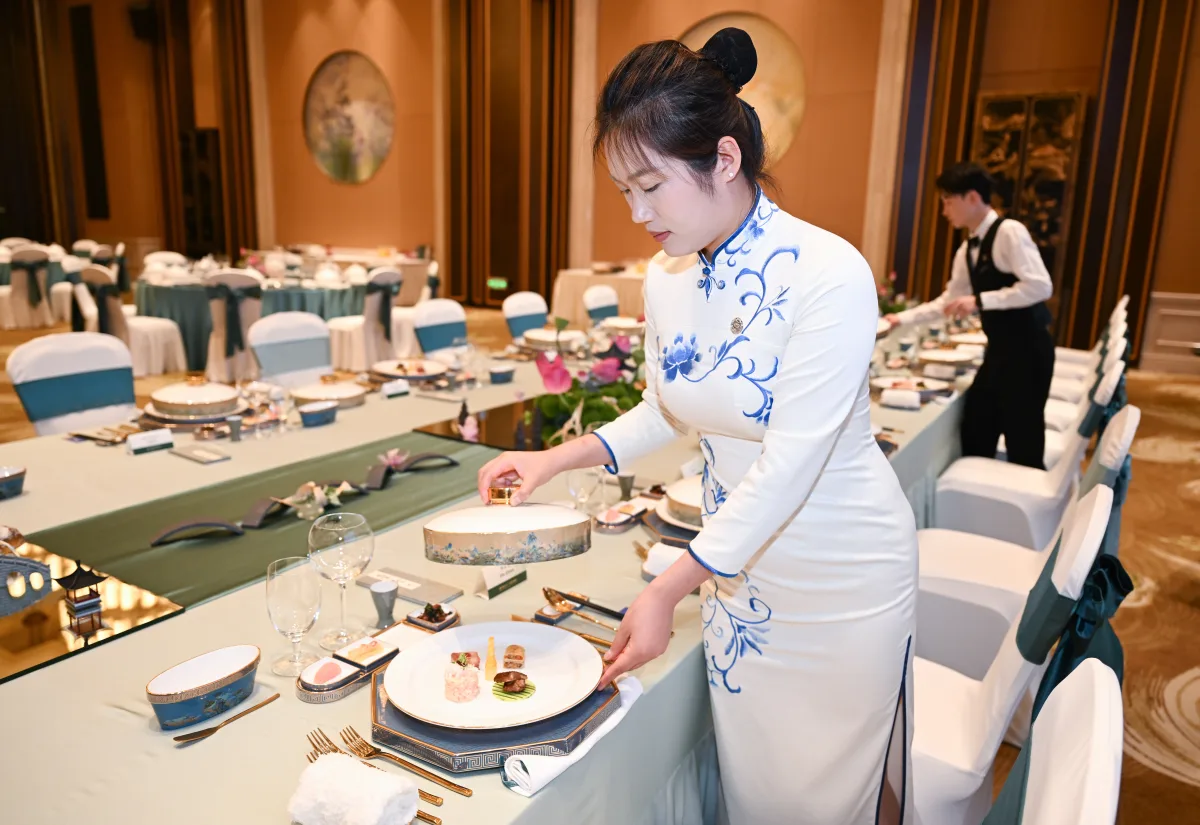
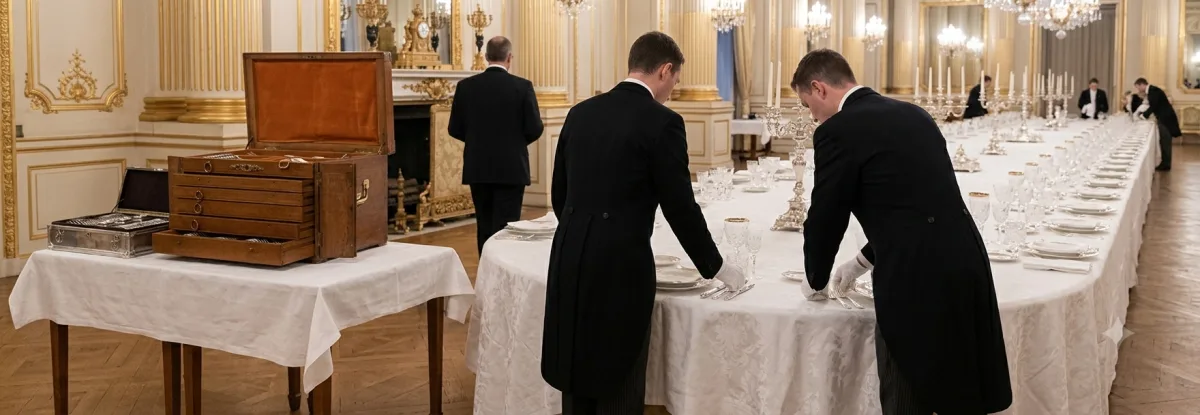
State banquets, garden parties, ambassadorial audiences, official receptions: the entire protocol machinery will continue to beat its accelerated pace. But private life takes place elsewhere, at Clarence House, a compact residence where Charles and Camilla have lived for twenty years.
This shift reveals a subtle but structural inflection: the palace is no longer thought of as a residence decorated with functions, but as a arena of protocol of which the private apartments of the monarch would be an archaic relic.
This is a reflection that goes far beyond the British context.
But when the sovereign chooses elsewhere, he signs that the palatial function has become autonomous from his own body.
What is happening at Buckingham is democratization through separation. Without a permanent resident to worry about disturbing, the palace opens up more to visitors.
Absence becomes access.
This new architecture of sovereignty raises a timeless question for all palaces: how is the myth of a residence maintained when it is no longer really inhabited? And reciprocally, isn’t the separation between the protocol theater and the private home more honest, more modern, than the fiction of a daily life presided over under the weight of protocol?
Can Buckingham remain alive without being a home?
It is enough that power regularly comes to play its role.