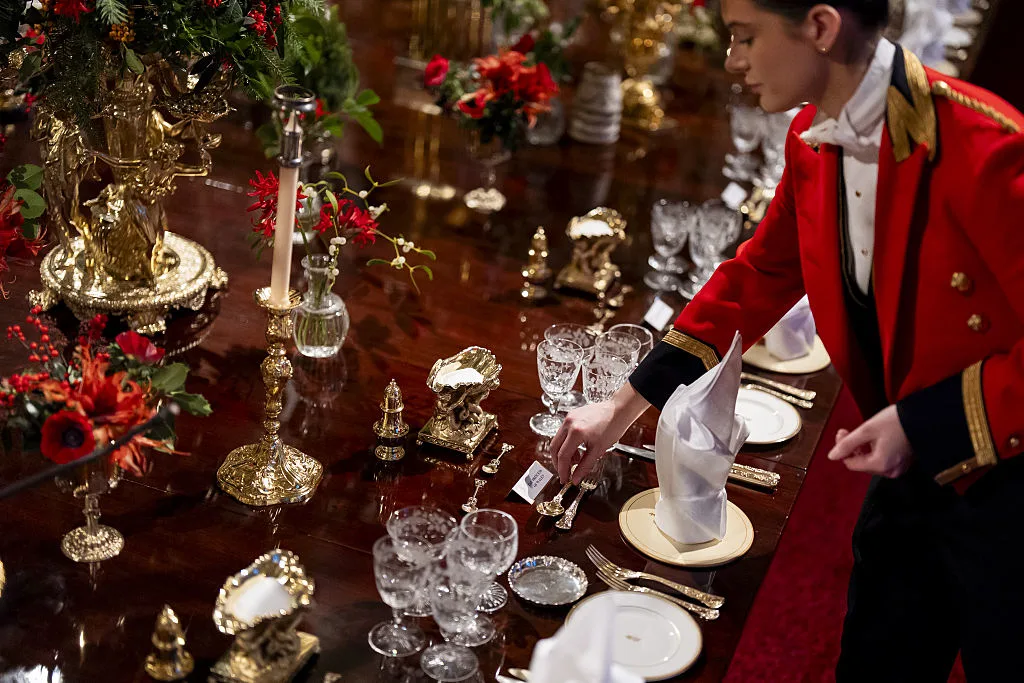
In 2013, a twenty-eight-year-old American student published an article in a diplomacy journal that founded a discipline: culinary diplomacy.
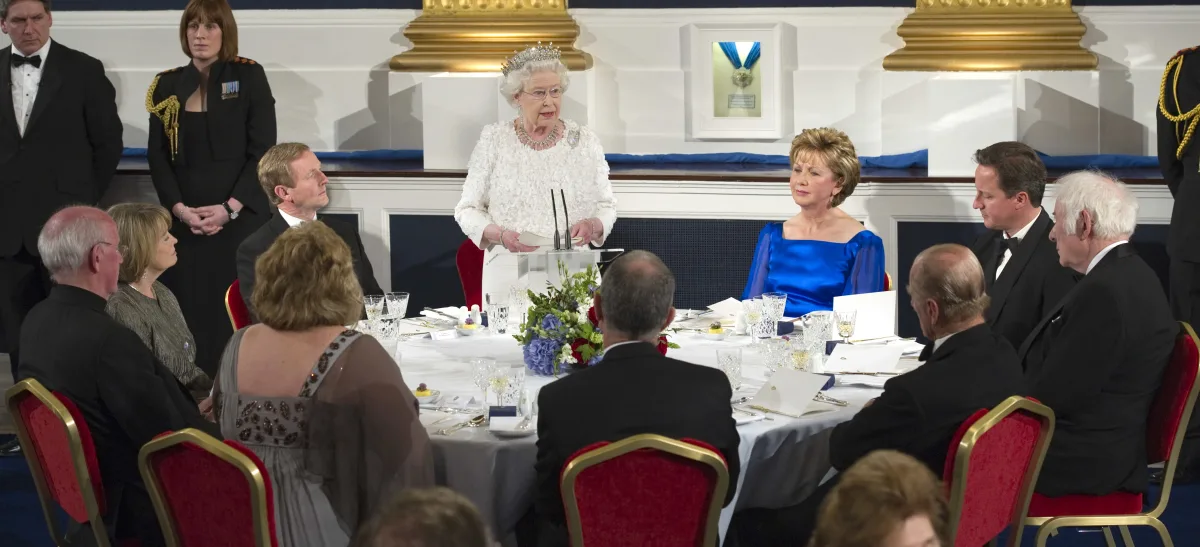
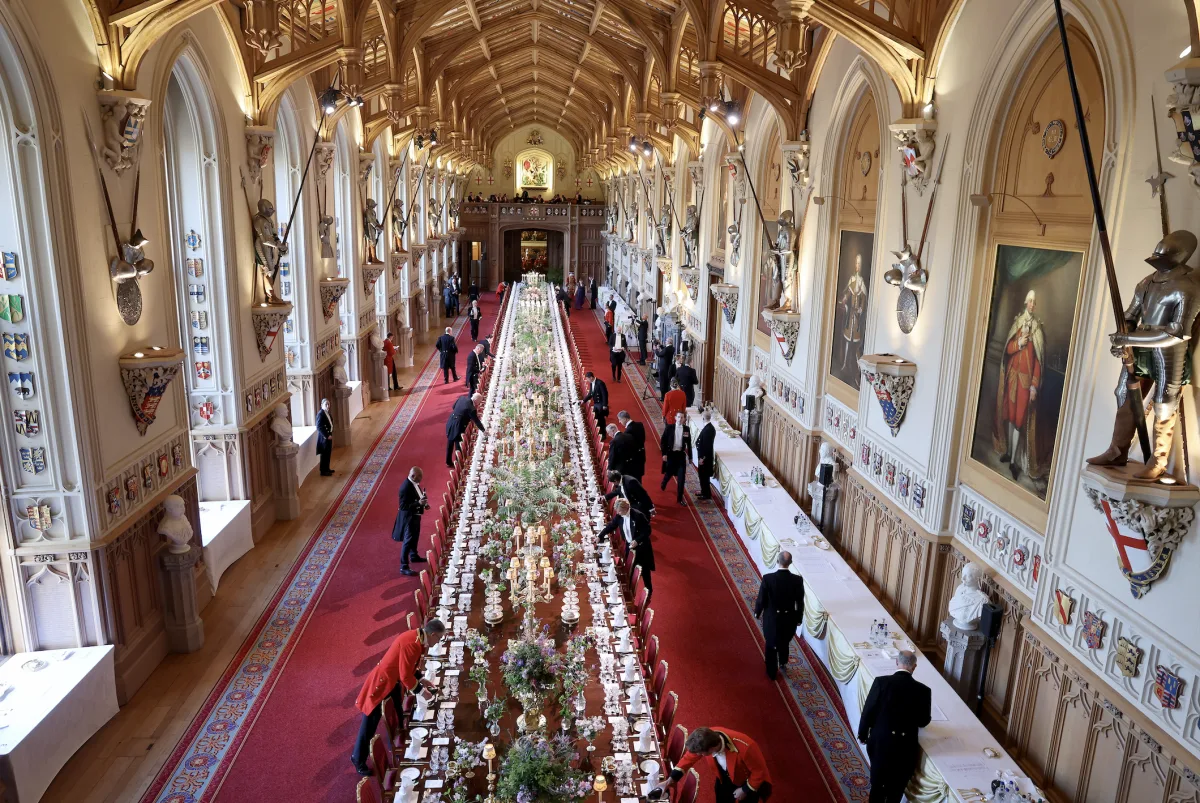
“As such, food is a very important element of relations between heads of state and diplomats. The food on the table, the place settings, the wine served (or not served) are vital in creating an opportunity for good working relationships, open lines of communication and sometimes friendships. »
Sam Chapple-Sokol
Forty academic works have cited him since then. The following year, we found him in a white jacket, in the White House pastry shop, assembling desserts for a state dinner. Portrait of a researcher who wanted to verify his theory from the office.
An end-of-semester assignment that has become a discipline
It all starts with a memoir. At the Fletcher School of Law and Diplomacy in Boston, Sam Chapple-Sokol takes Professor Alan Henrikson’s course, “Diplomacy: History, Theory and Practice.” He puts work on the table. The assignment becomes an article, the article appears in 2013 in The Hague Journal of Diplomacy, and the title remains: Culinary Diplomacy: Breaking Bread to Win Hearts and Minds.
The definition he poses is in one line: the use of food and cooking as an instrument of understanding between cultures, in the hope of improving exchanges and cooperation. He goes back to Carême and Talleyrand, describes the national gastronomic campaigns, and places at the top of the building an institution that he considers to be the culmination of the genre: the Club des Chefs des Chefs, founded in 1977 by the Frenchman Gilles Bragard, which brings together the cooks of heads of state around a motto - politics divides men, a good meal unites them.
Henrikson said of his former student that he was “an example and an inspiration of what can be done with a new idea.”
Passing through the office
The rest is rarer. Most table theorists never touch it. Chapple-Sokol entered the White House pastry shop during the Obama presidency.
He held there, according to the account he gave at the Fletcher School, the holiday season, July 4, Halloween, an inauguration, and the state dinner offered in February 2014 to French President François Hollande. The American who had just written that the state table was a diplomatic instrument found himself making the last service, for a French head of state, in the house he had studied from afar.
The rest of his career has the same logic of learning from below: sommelier, cheese maker, charcutier, pastry chef. He consulted for the Chefs’ Club he profiled, hosted a podcast, The Culinary Citizen, then joined World Central Kitchen before becoming editorial director at José Andrés Media. He co-authored a James Beard Award-winning cookbook. On his forearms, a few tattoos: basil, maple, rye, an olive branch.
What he brought back from the kitchens
From this passage through the furnaces, he brought back three things.
- The first is a word, which he unearthed from his first texts: commensality, from the Latin com and mensa, the fact of sitting at the same table. This is not a courtesy, he writes, it is the condition of diplomatic conversation.
- The second is a correction. In 2016, he rewrote his own theory on a simple blog: culinary diplomacy has not two faces but three: the table of heads of state, the gastronomic campaigns of governments, and the link that food creates between individuals who have no title. Few researchers correct their most cited work.
- The third is not an idea, it is a phrase, and it is one that every stewardship house should remember. Asked what cooking had taught him, he replied that the most important and socially underestimated person is the dishwasher.
We can theorize a state table for years. We only really understand it when we know who washes the plates.
Sources
- Sam Chapple-Sokol, “Culinary Diplomacy: Breaking Bread to Win Hearts and Minds”, The Hague Journal of Diplomacy, vol. 8, no. 2, 2013: https://brill.com/abstract/journals/hjd/8/2/article-p161_4.xml?language=en
- “A New Structure for Culinary Diplomacy,” culinarydiplomacy.com, August 28, 2016 - http://culinarydiplomacy.com/blog/2016/08/28/a-new-structure-for-culinary-diplomacy/
- “The Summit of Culinary Diplomacy: Le Club des Chefs des Chefs”, culinarydiplomacy.com, November 14, 2012 - http://culinarydiplomacy.com/blog/2012/11/14/the-summit-of-culinary-diplomacy-le-club-des-chefs-des-chefs/
- “Defining the Field of Culinary Diplomacy”, The Fletcher School, Tufts University: https://fletcher.tufts.edu/news-media-mentions/all-news/defining-field-culinary-diplomacy
- “An A Career Path: Culinary Diplomacy,” Fletcher School Admissions Blog, April 18, 2014: https://sites.tufts.edu/fletcheradmissions/2014/04/atypical-career-typical-path-culinary-diplomacy/
- “Culinary Diplomat,” Bowdoin College, March 2022: https://www.bowdoin.edu/news/2022/03/culinary-diplomat.html
- Biographical information, Global Food Institute, George Washington University - https://globalfoodinstitute.gwu.edu/sam-chapple-sokol
Credits and iconographic sources
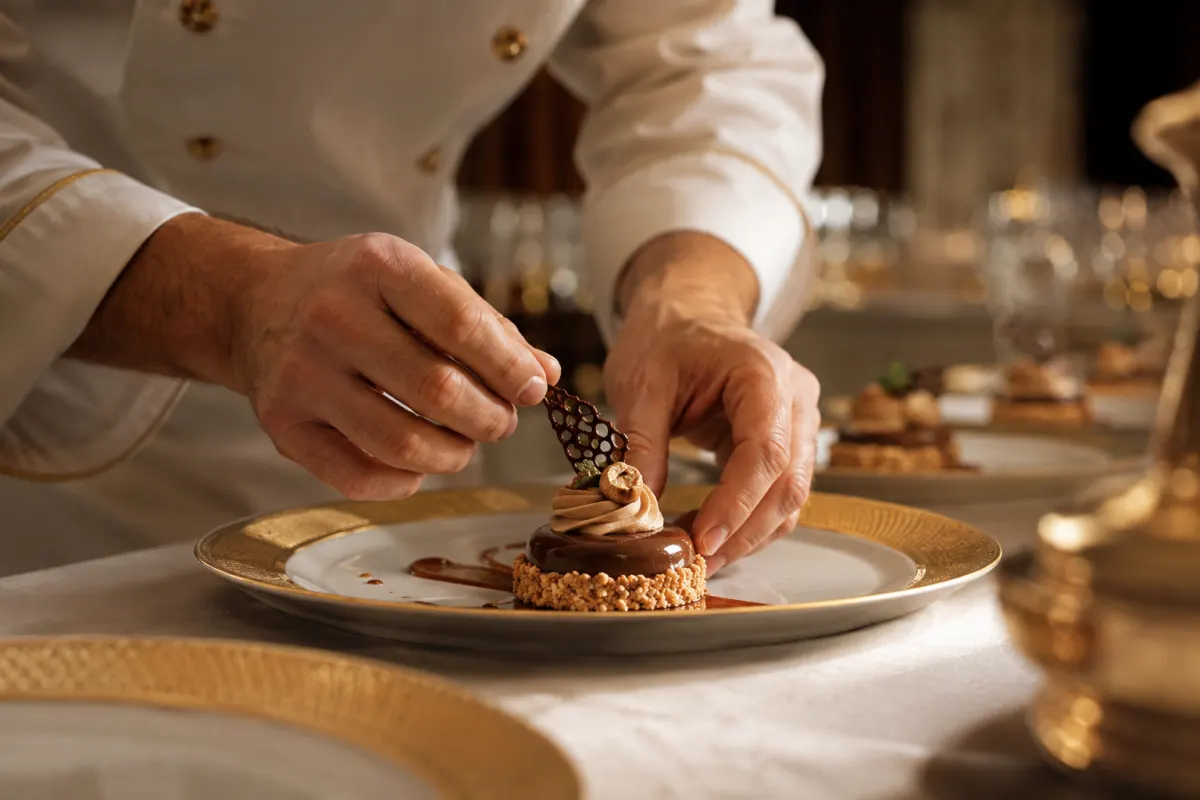
Opening photo: The hands of the pastry chef. AI-generated computer image. © Intendance Palace, 2026.
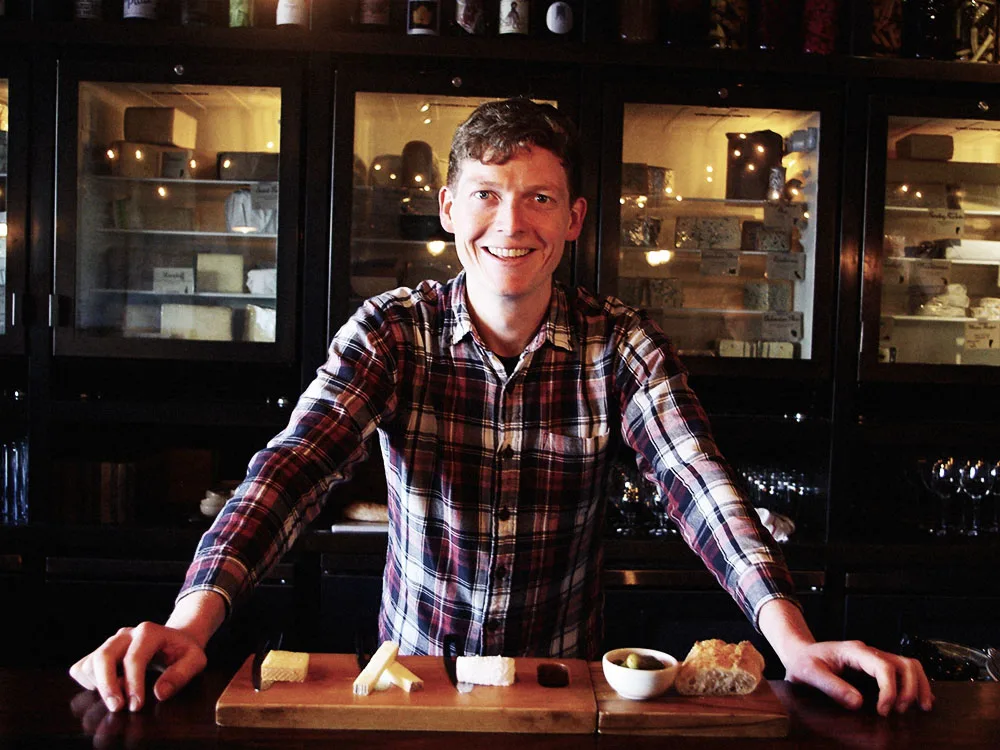
Second photo: Portrait of Sam Chapple-Sokol. Published in Katia Jean Paul, “Culinary diplomacy is spurring conversation across the globe”, Quench Magazine, November 9, 2016. Reproduced with the permission of the copyright owner.