Three teas, not Omani coffee
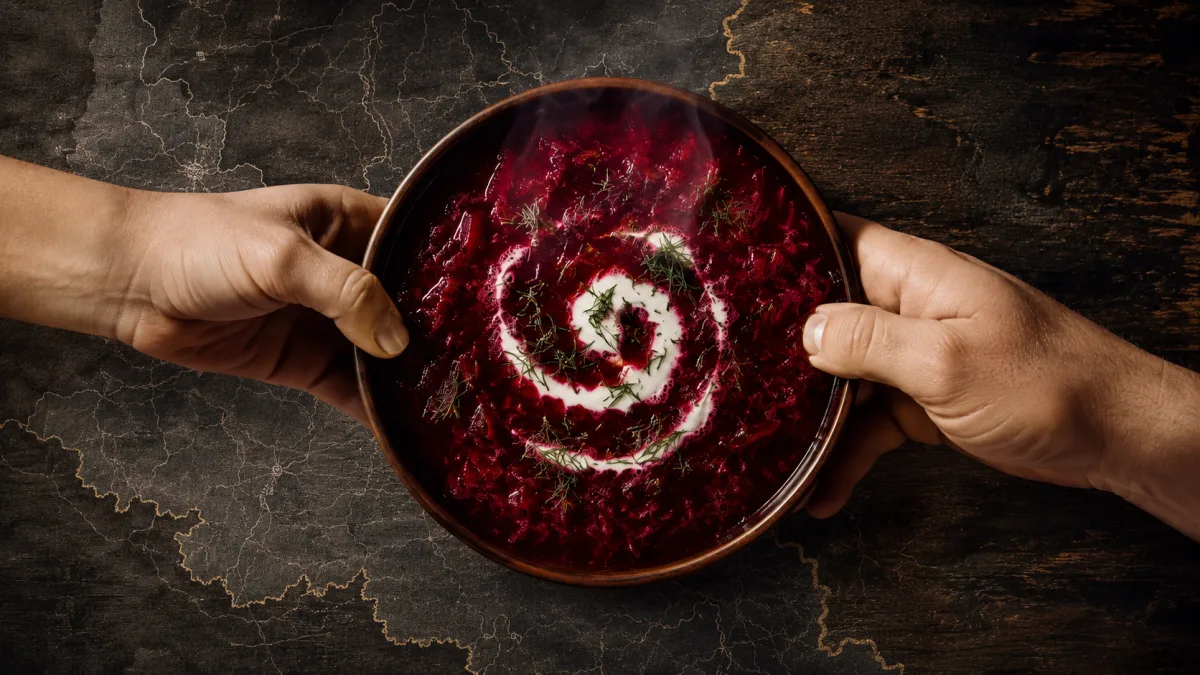
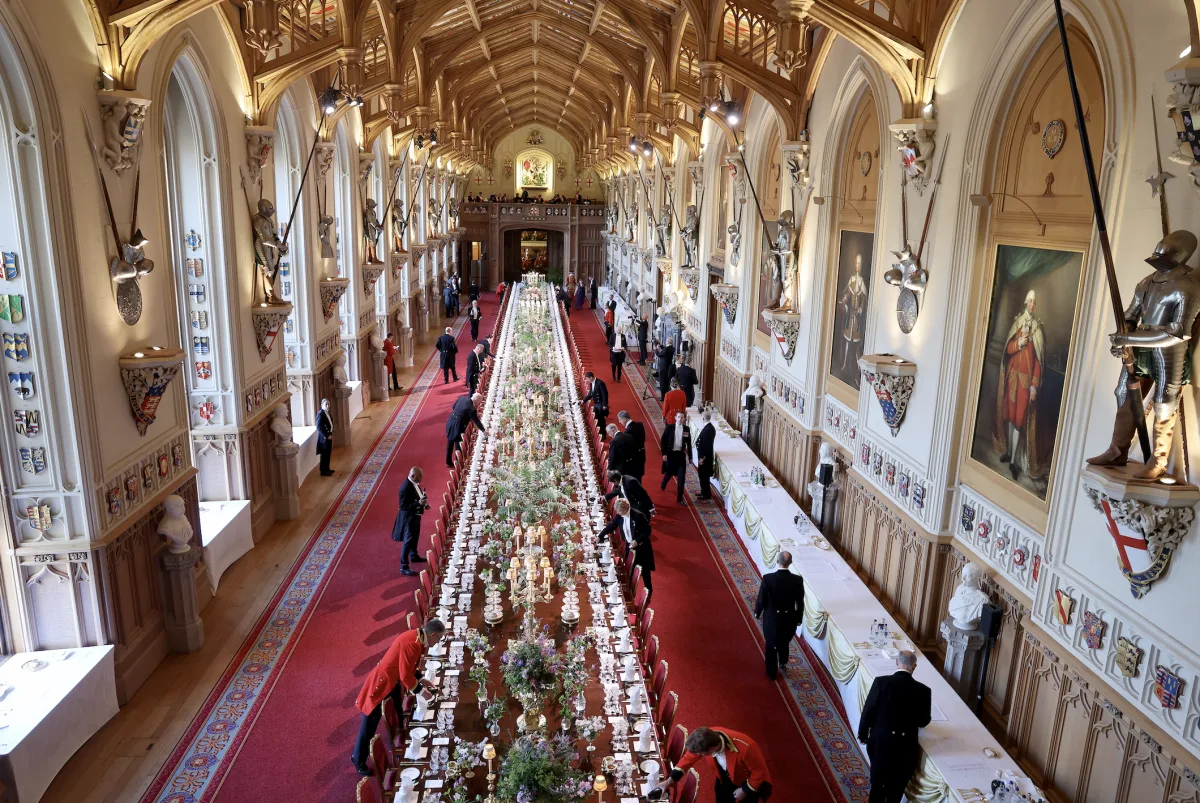
At the end of the banquet given on October 20, 2026 in St George’s Hall, the approximately 160 guests could choose between three drinks designed for the state visit of the Sultan of Oman: an iced Earl Gray with dates, an iced infusion of mint and rose, or a hot mix spiced with cardamom, sweetened with honey from the Windsor estate.
Accuracy is important. The palace did not present these drinks as kahwa, but as teas inspired by its ritual. Kahwa is traditionally a lightly roasted Arabic coffee, flavored in particular with cardamom and, depending on practice, with rose water or saffron. In Windsor, coffee has disappeared from the mix. Its main aromatic cues were preserved, then associated with a drink deeply ingrained in British customs.
The press release from the Royal House assumes this transformation. It evokes an adaptation of the Omani concept to “the ancient British love of tea”, while maintaining the cardamom, rose, date and spices which allow the initial referent to be identified.
Windsor therefore does not seek to reproduce the rite of his guest, but to translate it into the vocabulary of the receiving house.
This nuance avoids presenting a British creation as an authentic version of Omani coffee. It also constitutes the singularity of the diplomatic gesture: recognizing a foreign tradition without claiming to appropriate it.
Coffee as a welcoming gesture
The choice of kahwa is not reduced to a combination of flavors. In the societies of the Arabian Peninsula, serving coffee has documented social and ceremonial value.
Arabic coffee is included on UNESCO’s Representative List of the Intangible Cultural Heritage of Humanity, with Oman among the original nomination states. The organization describes it as a symbol of generosity, hospitality and respect. Its preparation and service follow customs passed down between generations. The guest or oldest person usually receives the first cup, presented with the right hand.
By choosing this ritual as a starting point, the royal kitchens did not simply borrow cardamom or rose. They have retained a gesture whose primary function is to welcome.
The transformation of coffee into tea then materializes the meeting between two traditions. Date, rose and cardamom maintain a perceptible connection with Oman. Earl Gray and Windsor honey place the composition in the British universe. The two cultures are not blurred to the point of becoming indistinct. Their difference remains visible, and even claimed.
The royal domain enters into the composition
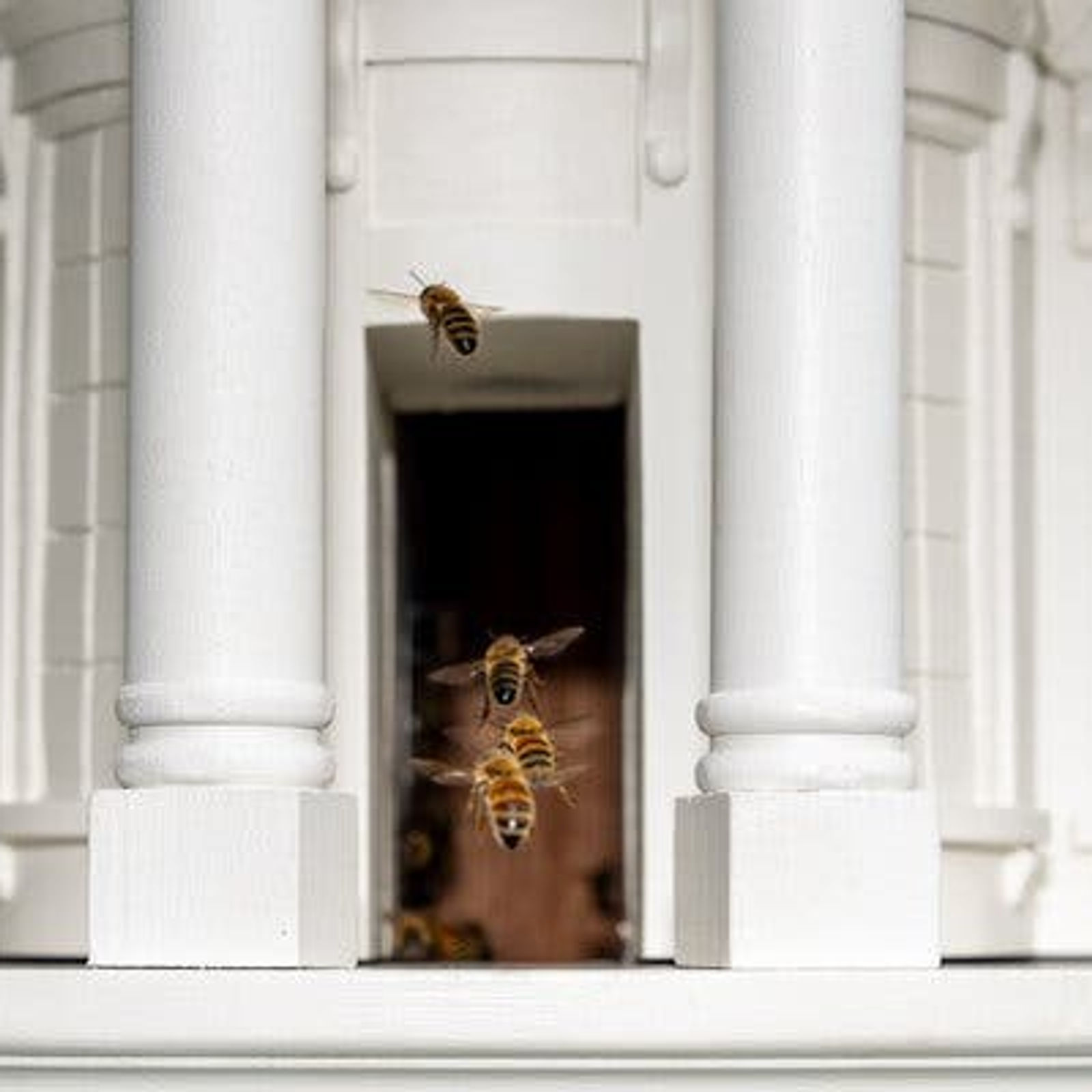
Windsor honey plays a more interesting role than that of a simple sweetening product. It connects the drink to the place where it is served and transforms the royal domain into a diplomatic ingredient.
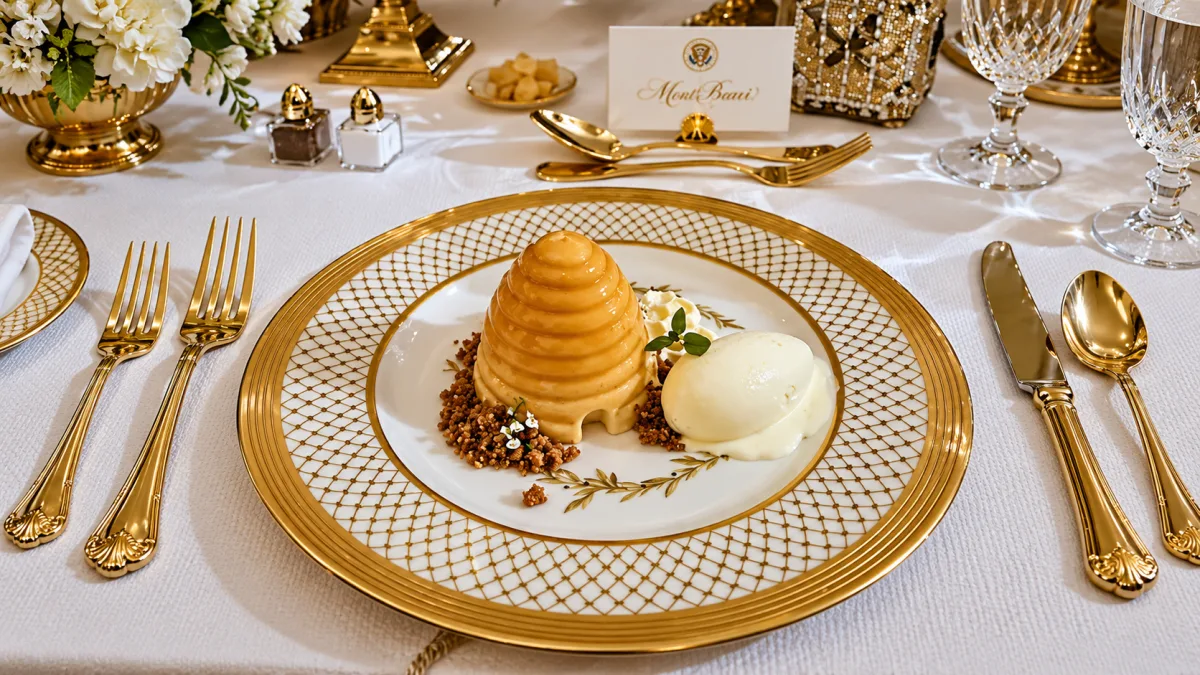
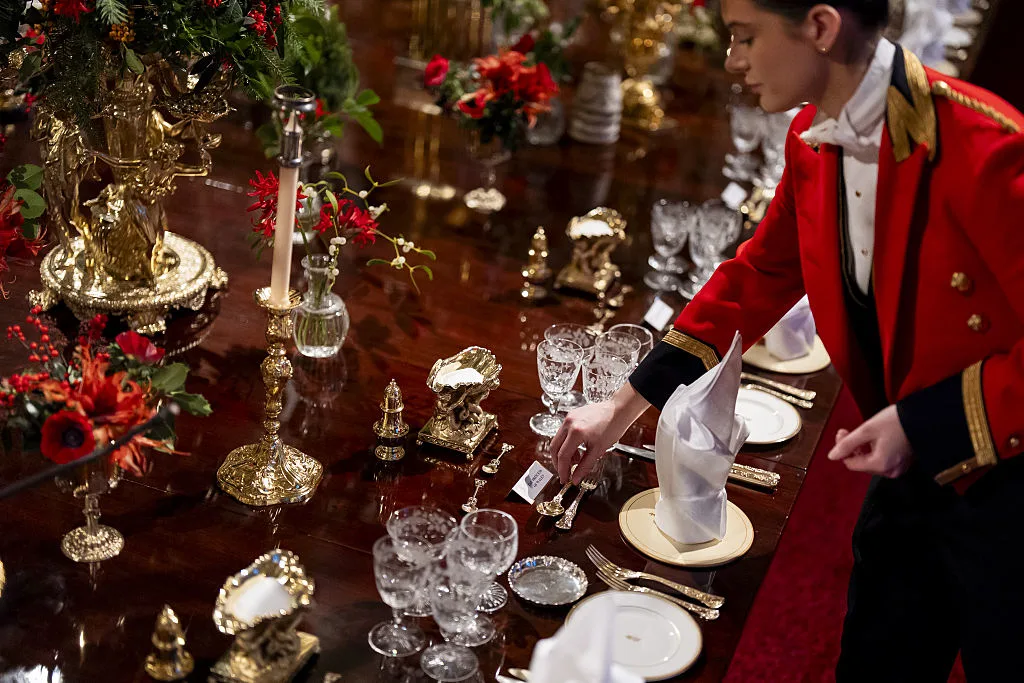
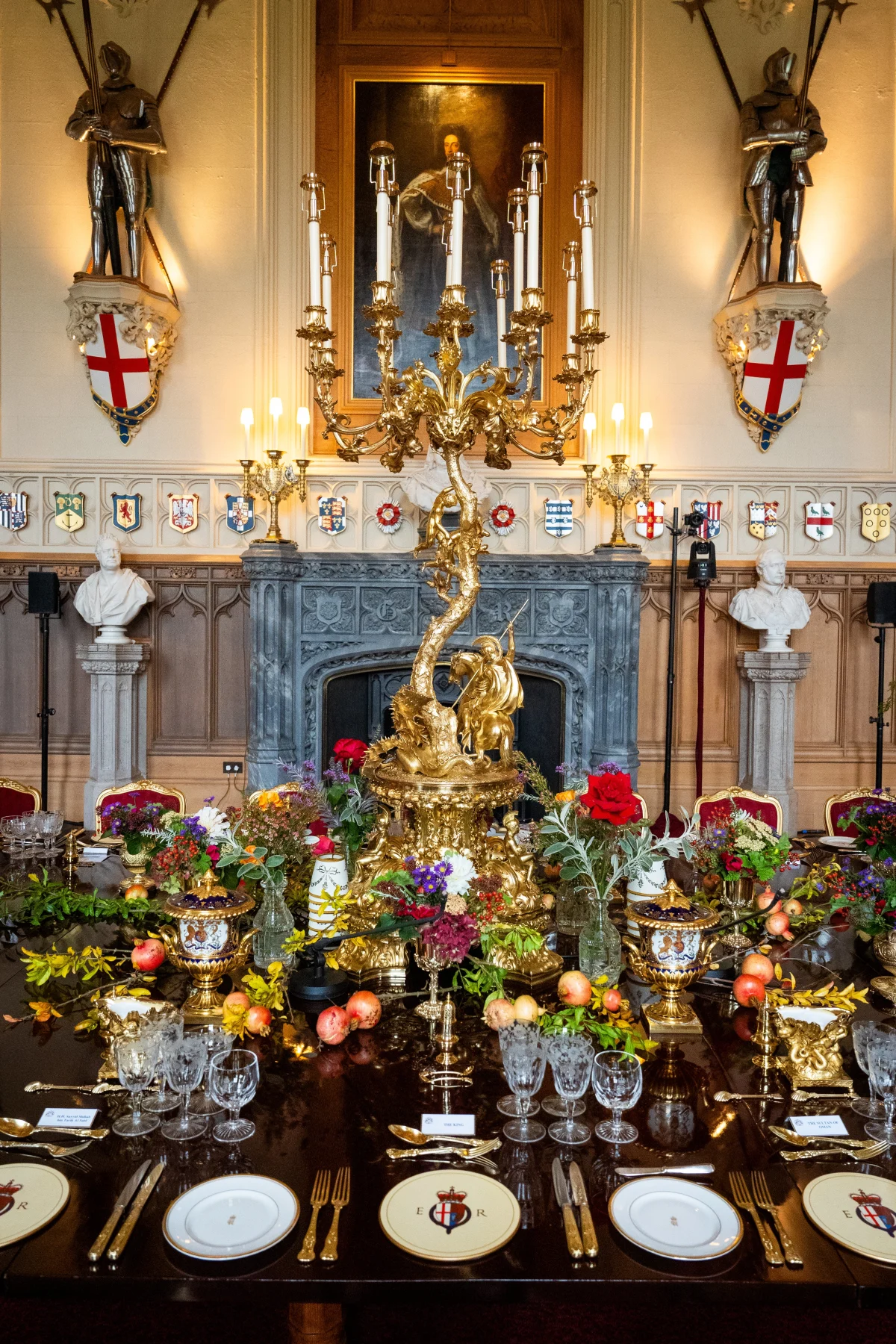
The same principle appeared in the table decor. Pomegranates picked in the Venus Garden, on the East Terrace of the castle, had been placed at the foot of a silver-gilt candelabra representing Saint George and the dragon. According to information provided to PA Media, the tree had been planted by Prince Philip more than fifty years previously.
The fruit thus introduced several temporalities onto the table. It came from the Windsor garden, recalled an ancient plantation and accompanied a contemporary visit. Around it were pink dahlias, purple asters, red guernsey lilies and rowan berries.
A fruit from the garden, a honey from the estate, a historic candelabra: each of these elements has an identifiable provenance. Their meeting constitutes a hospitality deeply attached to the place. The monarchy receives with what it preserves, cultivates and maintains.
This use of domain resources should not be confused with a systematic search for hidden symbols. The season, horticultural availability and service constraints also play a part in the choices. But when the palace specifies the origin of a fruit or honey, this provenance becomes part of the official reception narrative.
A diplomacy of translation
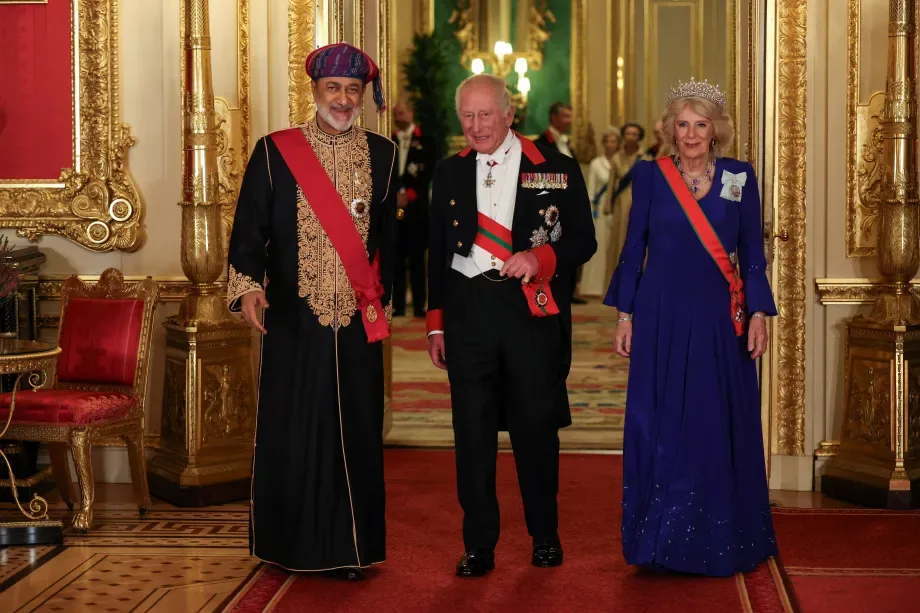
The visit of Sultan Haitham bin Tarik was part of a relationship that the two sovereigns presented as old and personal. This was the first state visit to the UK by a Sultan of Oman since that of Sultan Qaboos in March 1982.
In his speech, Charles III recalled the antiquity of maritime and commercial exchanges between Oman and the United Kingdom. The Sultan, in return, praised the hospitality received in Windsor and the continuity of friendship between the two countries.
The three teas cannot sum up this diplomatic relationship. However, they give it an immediately perceptible form. Tea affirms the identity of the host. The aromas of kahwa recognize that of the guest. Honey places the composition in the royal domain.
The service also offered a choice between two cold drinks and one hot drink. This plurality made it possible to preserve the welcoming function of the ritual without imposing a single imitation. It gave guests unusual freedom at the end of a meal whose order remained, moreover, very precisely regulated.
In Windsor, the Omani kahwa was ultimately not reconstituted. He passed through the castle in the form of three teas. Between the estate’s cardamom, dates and honey, the distance between Muscat and Windsor has not been erased.
Sources and credits
Documentary sources
- The Royal Household, “The King and Queen welcome The Sultan of Oman to Windsor Castle”, published October 20, 2026.
- Omani Ministry of Foreign Affairs, “King Charles hosts state banquet in honor of His Majesty”, October 20, 2026.
- UNESCO, “Arabian coffee, a symbol of generosity”, initial registration in 2015, multinational application extended in 2024.
- Royal Collection Trust, “State Banquets at Windsor Castle”, accessed October 22, 2026.
- Royal Collection Trust, “The Grand Service”, accessed October 22, 2026.
- Laura Elston, PA Media, “Omani ritual-inspired drink reimagined for state banquet”, The Independent, October 20, 2026.
Photo credits
- Photo from front: Charles III, Queen Camilla and Sultan Haitham bin Tarik at Windsor. Source: The Royal Household, October 20, 2026.
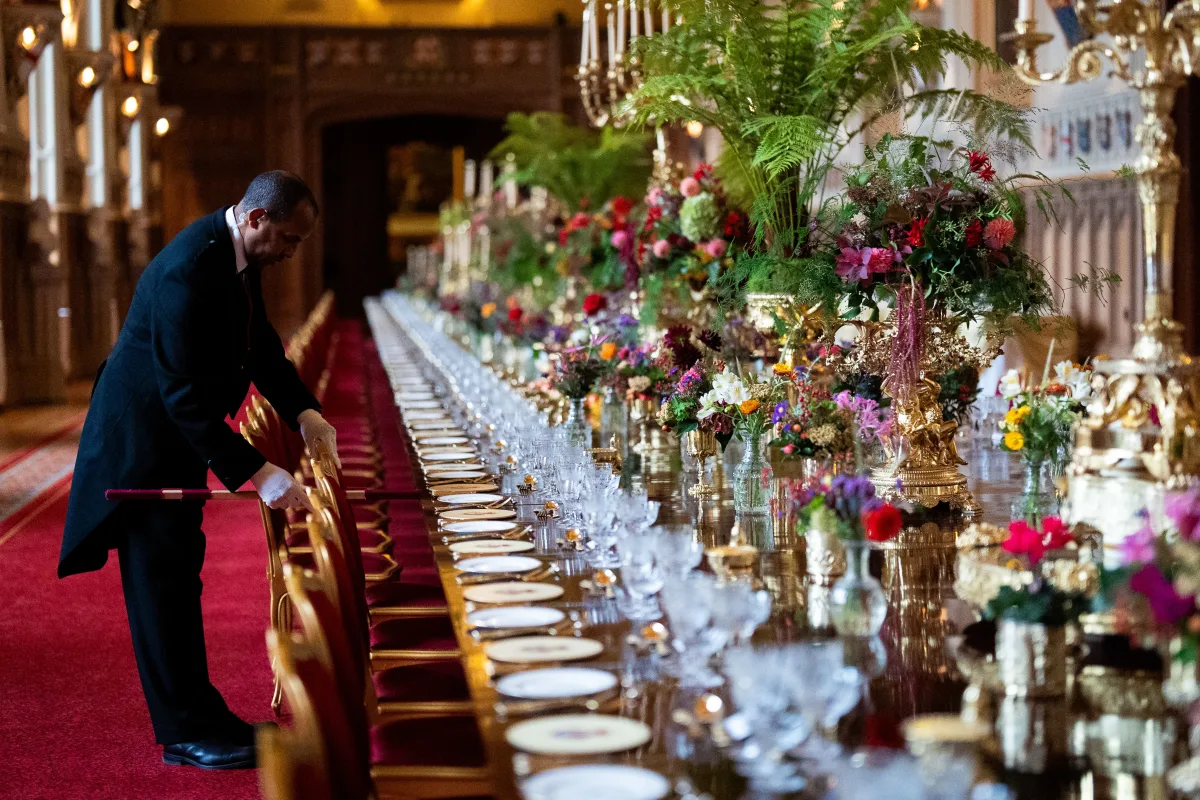
- Photo 2: preparation and spacing of chairs in St George’s Hall. Photograph: Aaron Chown/PA Wire.
- Photo 3: Venus Garden pomegranates integrated into the table decor. Photograph: Aaron Chown/PA Wire.
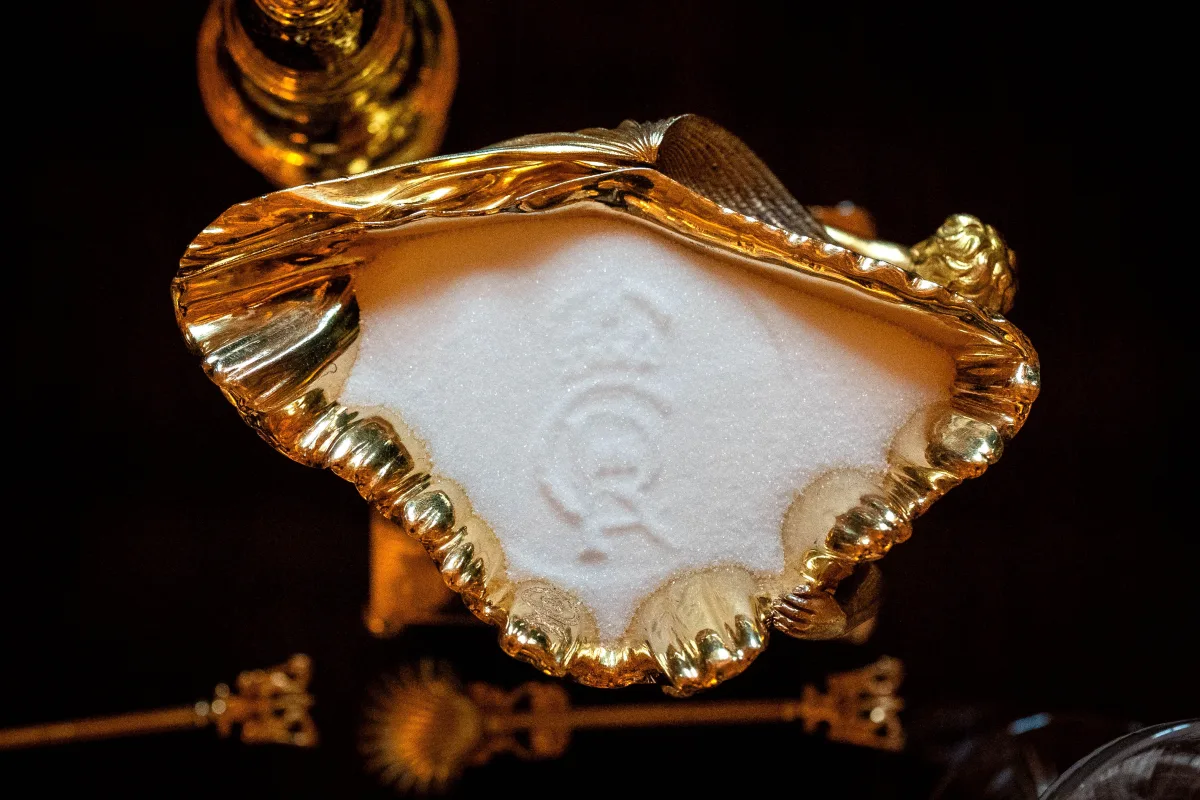
- Photo 4: Royal cypher of Charles III printed in salt. Photograph: Aaron Chown/PA Wire.