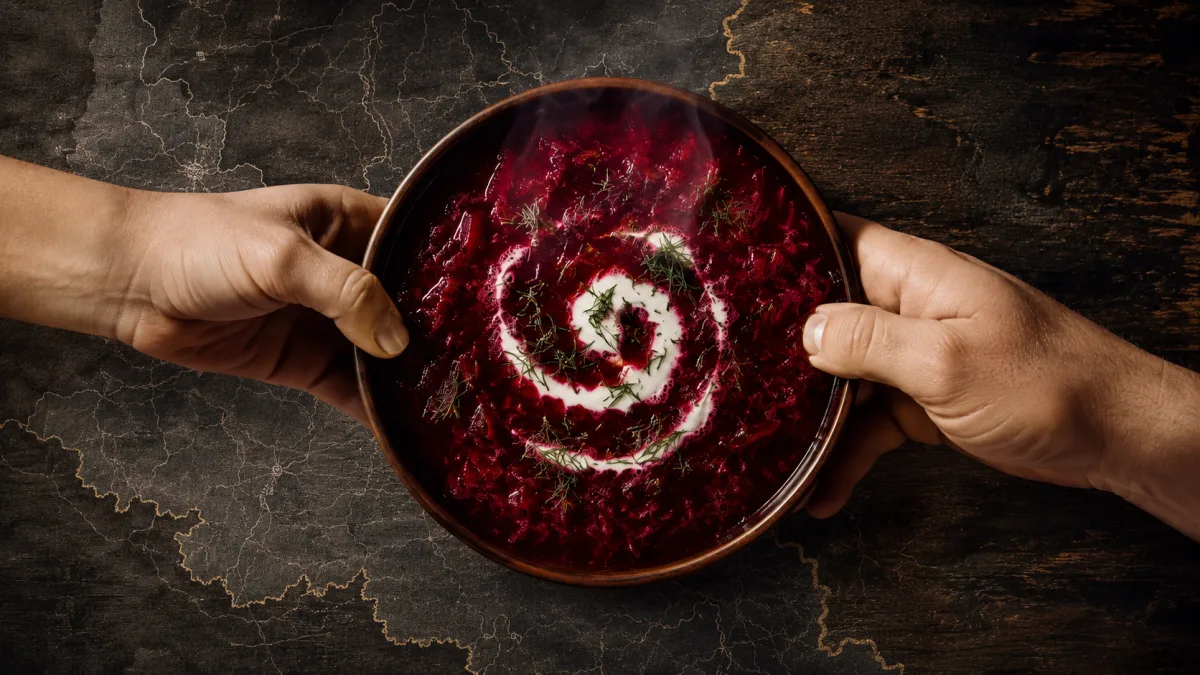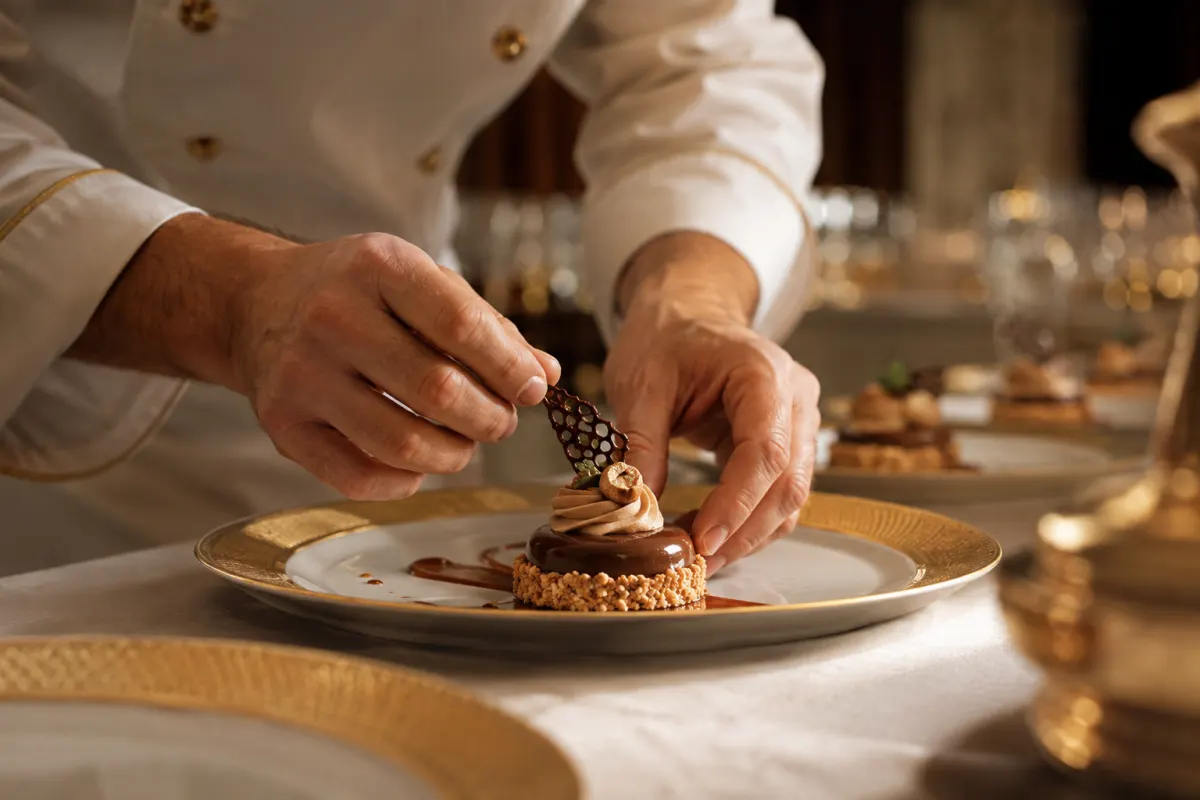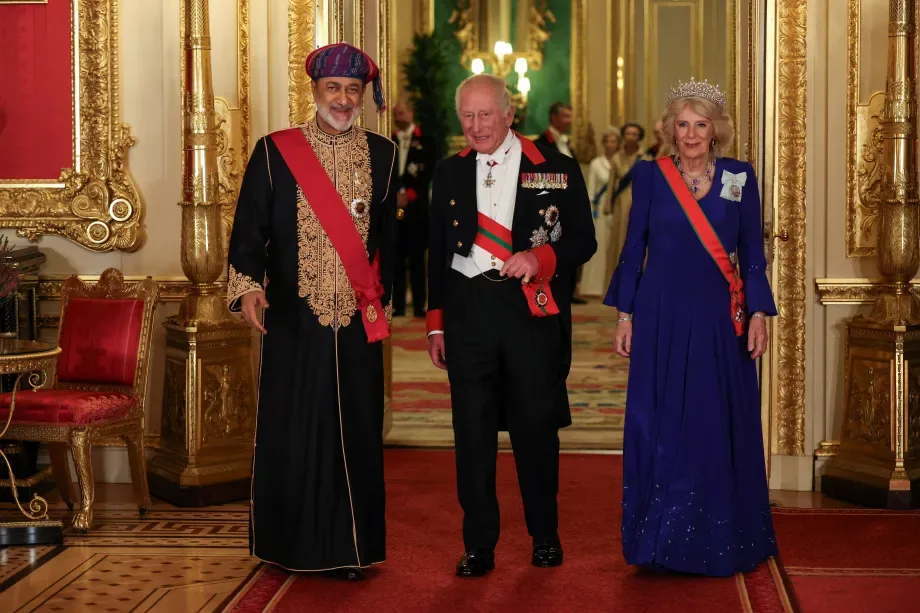
A dish can welcome a head of state, make a distant country loved or bring two neighbours closer.
These are three ways of doing politics with a plate.
A young American scholar put words to this language. He also learned it from the inside, in the White House pastry kitchen.
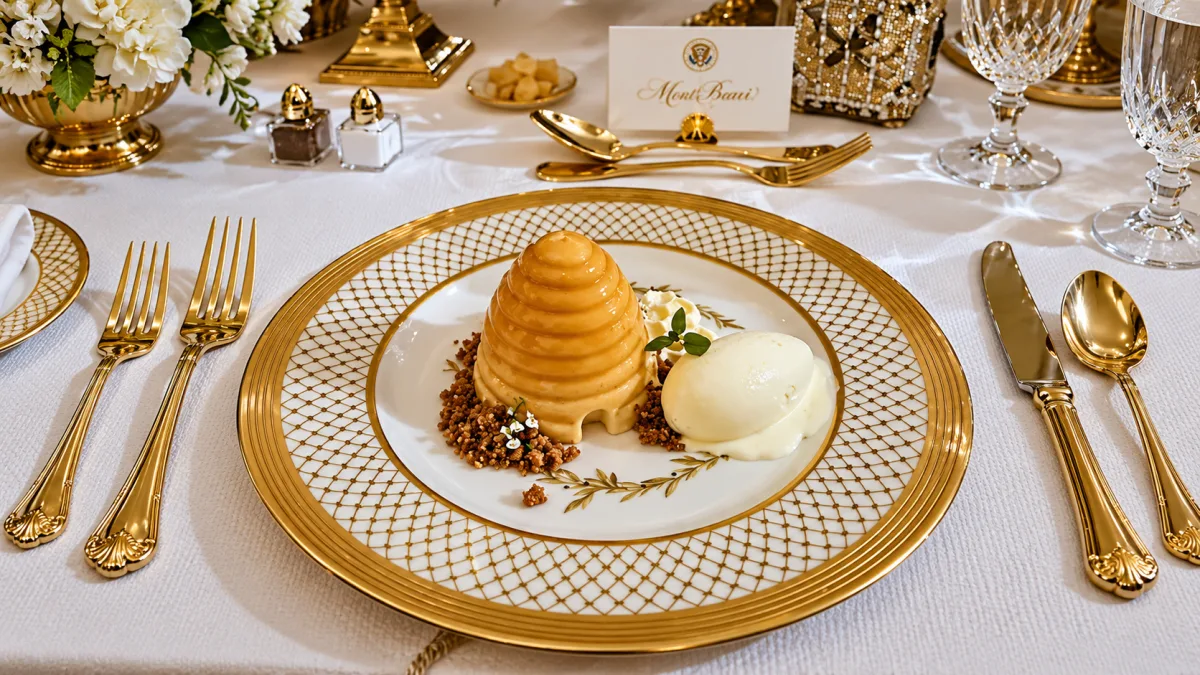
A state dinner is not judged by its foie gras. It is read. The choice of an ingredient, the placing of a wine, a herb that reminds the visitor of his childhood garden: every detail is a sentence, addressed to someone. In 2013, Sam Chapple-Sokol published an article that gave this language a name: culinary diplomacy. The following year, he worked in the White House pastry kitchen. Around him, executive chef Cristeta Comerford was composing a thoroughly American menu, with a discreet nod to the cuisine of the visiting country. He discovered from the inside what he had described from the outside. Receiving guests well is not a gesture. It is a grammar.
Three Gestures, One Plate
A presidential banquet. A public budget to open restaurants on the other side of the world. A meal shared, with no cameras, between neighbours divided by everything. These three gestures differ in scale, in actors and in purpose. For a long time, though, they were filed in the same drawer: food as the backdrop of power.
That is a mistake. The plate is not a backdrop. It is a message.
Chapple-Sokol defines culinary diplomacy as the use of food and cuisine to create understanding between cultures and strengthen cooperation between peoples. The idea sounds simple. Its value lies elsewhere: it distinguishes three levels that must no longer be confused.
The plate is not a backdrop. It is a message.
First Level: The State Dinner
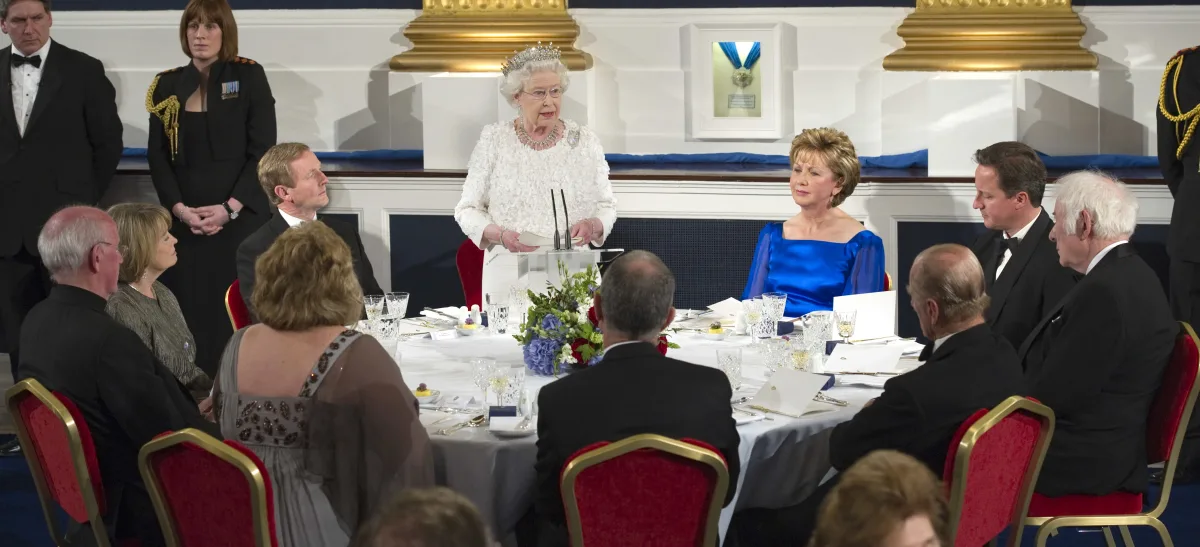
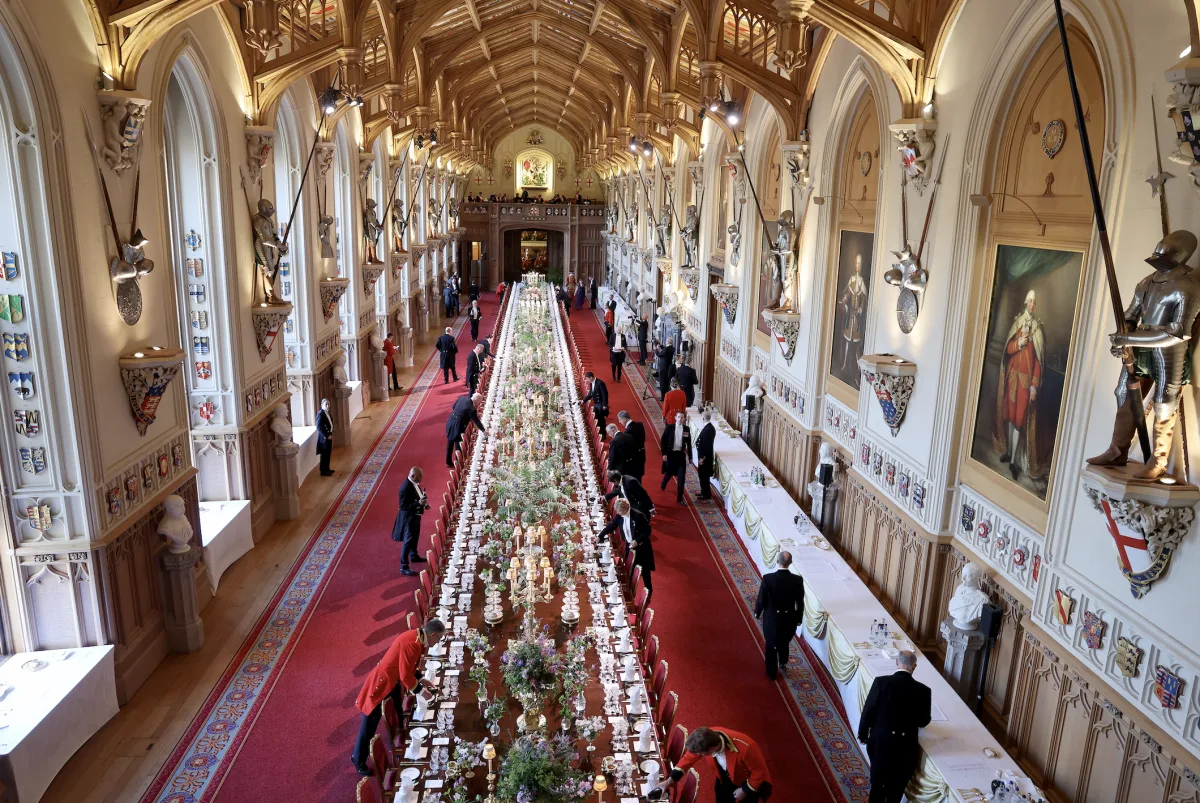
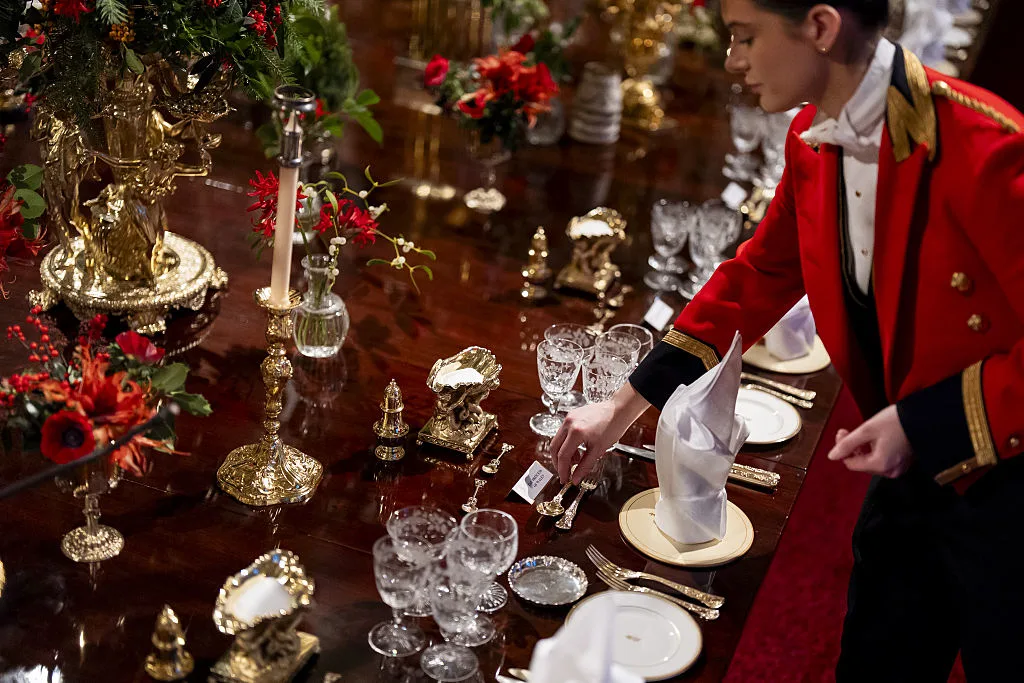
This is the most visible level, and the one most tightly framed by protocol. Heads of state, ambassadors, official dinners. Each course becomes a sentence in the speech of welcome. Each absence speaks too: a wine that is not served, an ingredient that is set aside, a religious rule that is observed without ever being named.
This is the level of the household steward, where protocol and cooking become a single craft. The message is addressed to a few dozen guests. But it is designed for the whole world, which will read it the next day in the photograph of the menu.
Also in our pages: our feature on the photograph of the Hangzhou welcome dinner.
Second Level: A Government’s Strategy
This is what is known as gastrodiplomacy. It is no longer a dinner but a public policy. And the message is no longer aimed at a head of state: it is aimed at public opinion in a foreign country.
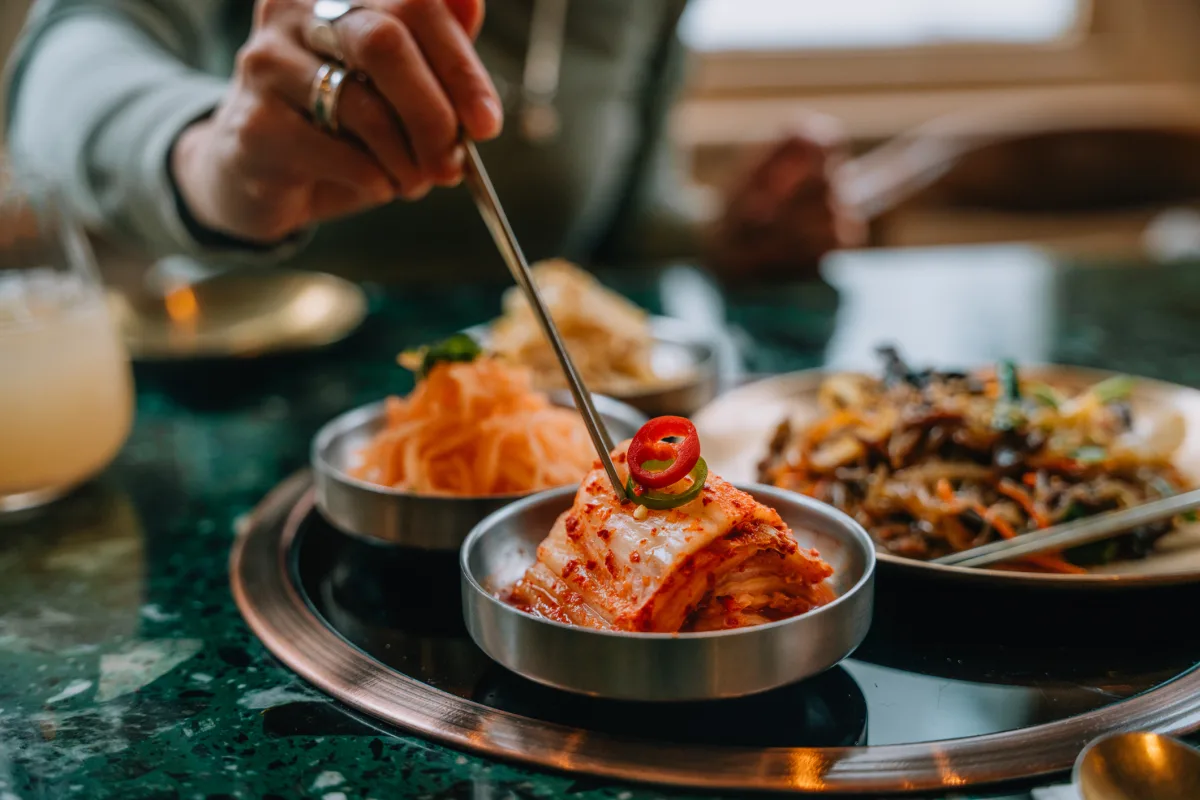
The Thai case is the most cited. In the early 2000s, Bangkok launched a public programme to multiply Thai restaurants around the world, far beyond what the diaspora alone would have produced. South Korea followed with kimchi, Peru with its cuisine. Taiwan, for its part, cooks in order to exist where it has no embassy.
The aim is not to feed. It is to make a country familiar, and therefore likeable, to people who may never know anything else about it. A plate signs no treaty, but it lodges a country in a memory.
A national dish can also become a battleground. When two countries claim the same dish, cuisine stops bringing people together and starts drawing borders. That is the whole subject of our series “Gastronomic Conflicts”.
A plate signs no treaty, but it lodges a country in a memory.
Third Level: The Citizens’ Meal
This is the most intimate level, and the last to be added. Chapple-Sokol did not present it in 2013. He proposed it in 2016, on his blog, revising his own theory to make room for what food accomplishes between people who hold no official title.
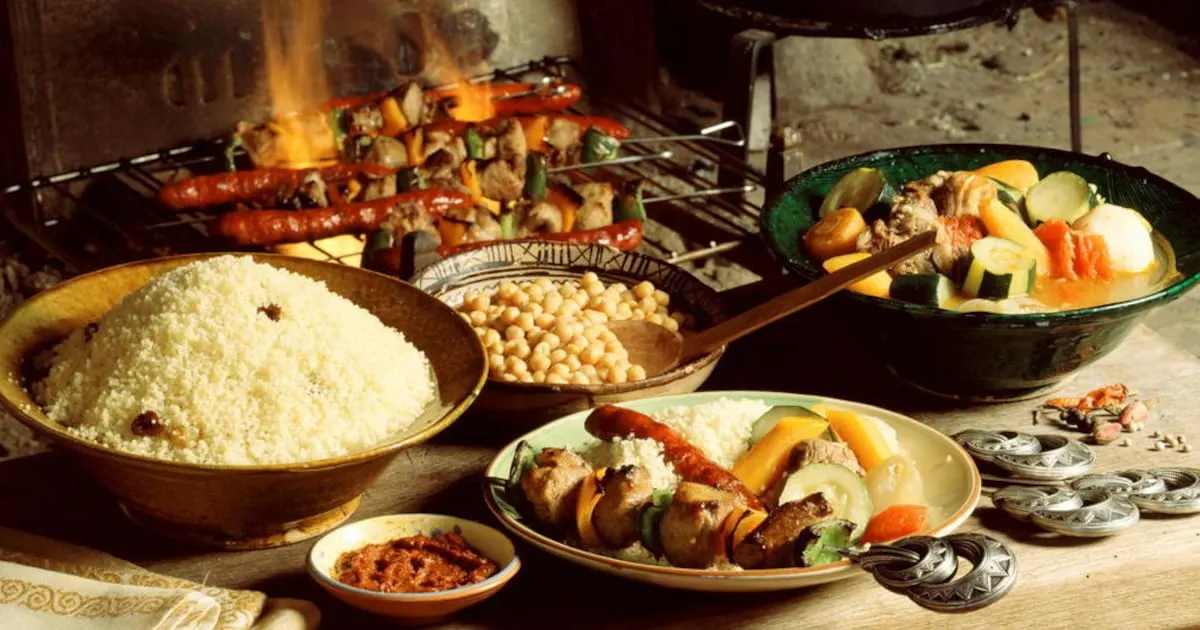
Here, nobody represents anybody. Neighbours set against each other by geopolitics sit down together. Cooks driven out by a war go on preparing the dish of their childhood, and that gesture itself becomes a diplomatic act. It is the least official level of the three, and perhaps the most political: it works where official channels no longer get through.
An old word captures the idea well: commensality, from the Latin com, “with”, and mensa, “table”. It means eating together. It is not a courtesy. It is the precondition of conversation.
Gilles Bragard, founder of the Club des Chefs des Chefs, put it in a single sentence: politics often divides men, but a good table always brings them together. For the citizens’ meal, he is right. But at the dinner of heads of state and in the strategies of governments, the plate does not stand apart from politics. It practises it.
“Politics often divides men, but a good table always brings them together.” Gilles Bragard
Also in our pages: Ukraine: Borshch, a Soup Placed Under Protection ; Pavement Gastrodiplomacy in Perpignan.
What This Changes for Those Who Host
For those who prepare official meals, this distinction is very concrete. It says who you are speaking to, and therefore what you serve.
A state dinner addresses a counterpart and the next day’s press: it calls for the precision of protocol. A gastrodiplomacy operation addresses a foreign public that does not know you: it calls for clarity, even at the cost of simplifying. A meal of reconciliation addresses people who distrust one another: it calls for the host to step back.
To confuse these three levels is to serve the right menu to the wrong person. Every plate speaks. You still have to know to whom.
Sources
- Sam Chapple-Sokol, “Culinary Diplomacy: Breaking Bread to Win Hearts and Minds”, The Hague Journal of Diplomacy, vol. 8, no. 2, 2013.
- Sam Chapple-Sokol, “A New Structure for Culinary Diplomacy”, culinarydiplomacy.com, 28 August 2016.
- Sam Chapple-Sokol, “War and Peas: Culinary Conflict Resolution as Citizen Diplomacy”, Public Diplomacy Magazine, 2014.
- The Fletcher School, Tufts University, “Defining the Field of Culinary Diplomacy”.
- Fletcher School Admissions, “An Atypical Career Path: Culinary Diplomacy”, April 2014.
- Global Food Institute, George Washington University, biographical profile of Sam Chapple-Sokol.
- Gilles Bragard, Les Chefs des chefs : Élysée, Kremlin, Buckingham, Maison Blanche… Enquête, 2013.
- Portail de l’IE, “Géopolitique du goût : diplomatie culinaire et gastrodiplomatie”, report on the Grenoble Geopolitics Festival, March 2015.