Three hundred golden insects
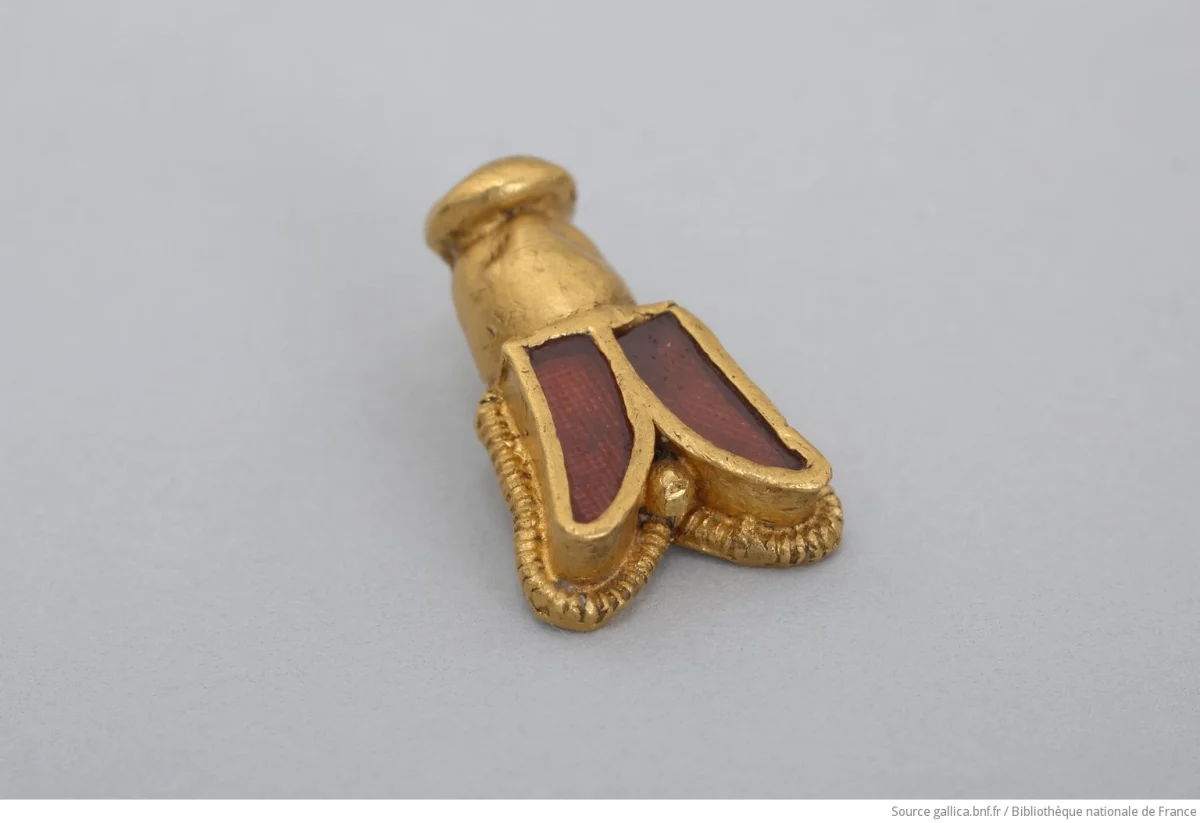
The discovery could have ended up with a foundryman. She fell into the hands of a scholar, Jean-Jacques Chiflet, doctor to Archduke Léopold-Guillaume, who then governed the Spanish Netherlands. In 1655 he published the Anastasis Childerici, an entire book dedicated to the treasure, with careful engravings of each piece. It is through these plates, much more than through the objects themselves, that Childeric’s “bees” will enter the European imagination.
The treasure then reached Paris and the royal collections, under Louis XIV. He remained there until the night of November 5 to 6, 1831, when thieves plundered the Cabinet of Medals and melted most of their loot. Of the three hundred insects, only two remain. They are still at the National Library of France.
The choice of 1804
On June 12, 1804, the Council of State debated the emblem of the new Empire. Several animals are offered. Cambacérès pleads for the bee: France, he explains according to the Fondation Napoléon, is organized around a leader, like a hive. The argument has another, more political, merit. Childeric’s bees are then considered the oldest emblem of the sovereigns of France. Choosing them means stepping over the Bourbons and linking the new dynasty to the first Frankish kings.
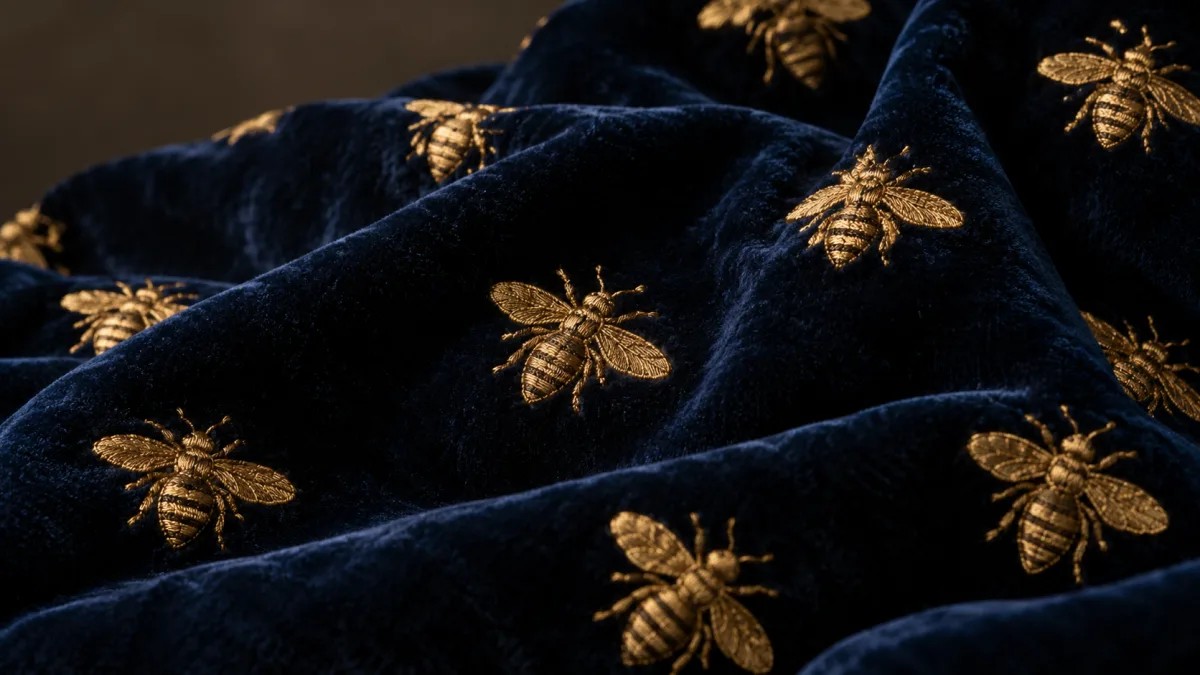
The eagle wins for weapons. The bee gets the coat. On December 2, 1804, at Notre-Dame, Napoleon wore a purple velvet coat strewn with golden bees. Ingres reproduced them two years later, one by one, in his portrait of the Emperor on the imperial throne.
Choosing them means stepping over the Bourbons and linking the new dynasty to the first Frankish kings.
As for whether the Tournai jewelry represented bees, the Fondation Napoléon now specifies, in parentheses, that they were “in reality” cicadas. The National Library retains the name bee. The debate is of little consequence. What Napoleon borrowed from Childeric was seniority.

Three bees in Rome
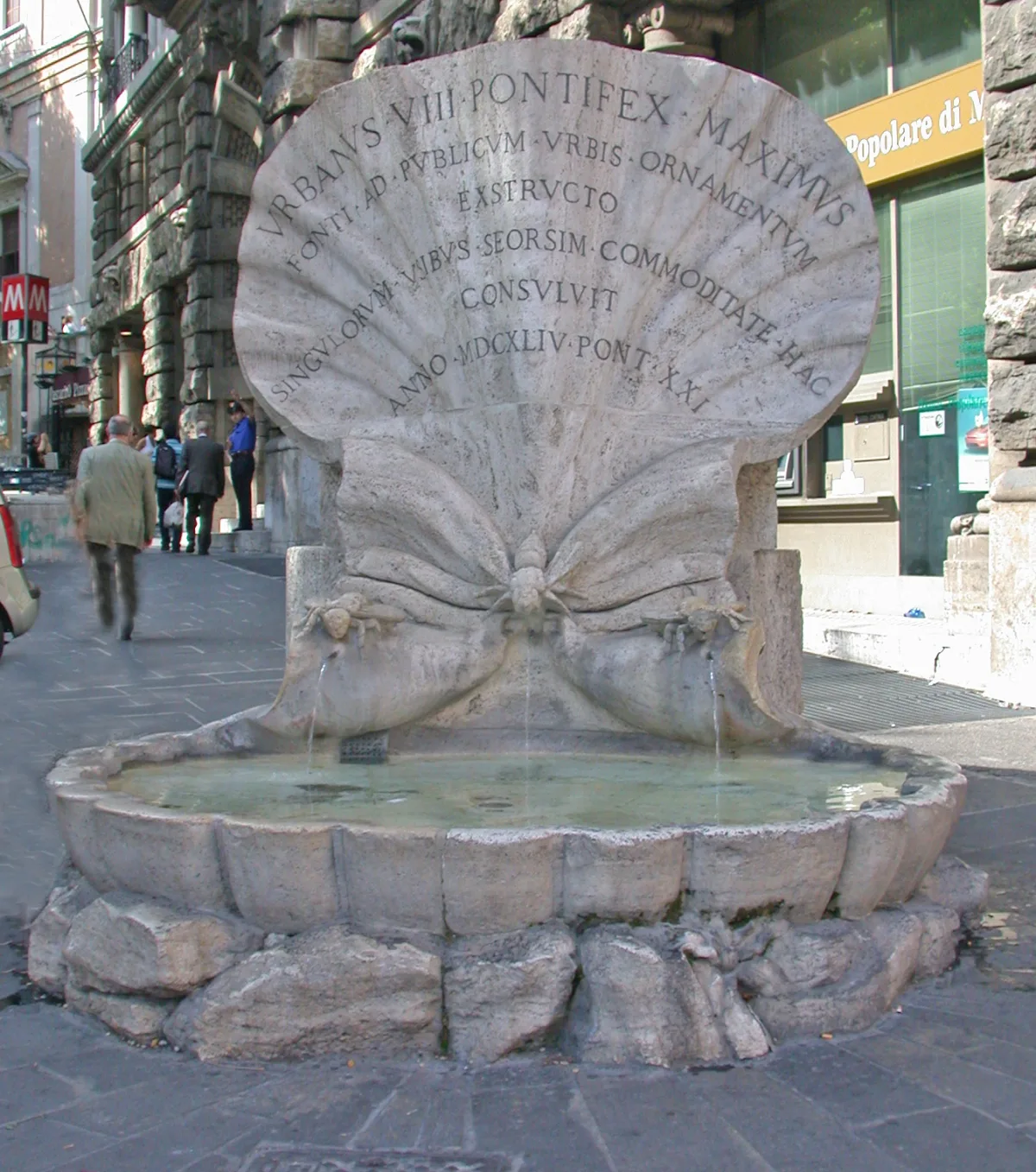
Two centuries earlier, a Roman family had made the same choice for similar reasons. The Barberini, Florentine merchants who had become powerful, first wore horseflies on their weapons. They replace them with three golden bees, more flattering. When Maffeo Barberini became pope in 1623 as Urban VIII, bees followed him around Rome.
Bernini sculpted them on the bases of the baldachin of Saint Peter’s, completed in 1634. He still placed them on the Fontana delle Api, at the foot of Via Veneto, in 1644. A pilgrim who looks up under Michelangelo’s dome sees, at the bottom of the bronze columns, the insects of a family.
The king of the bee
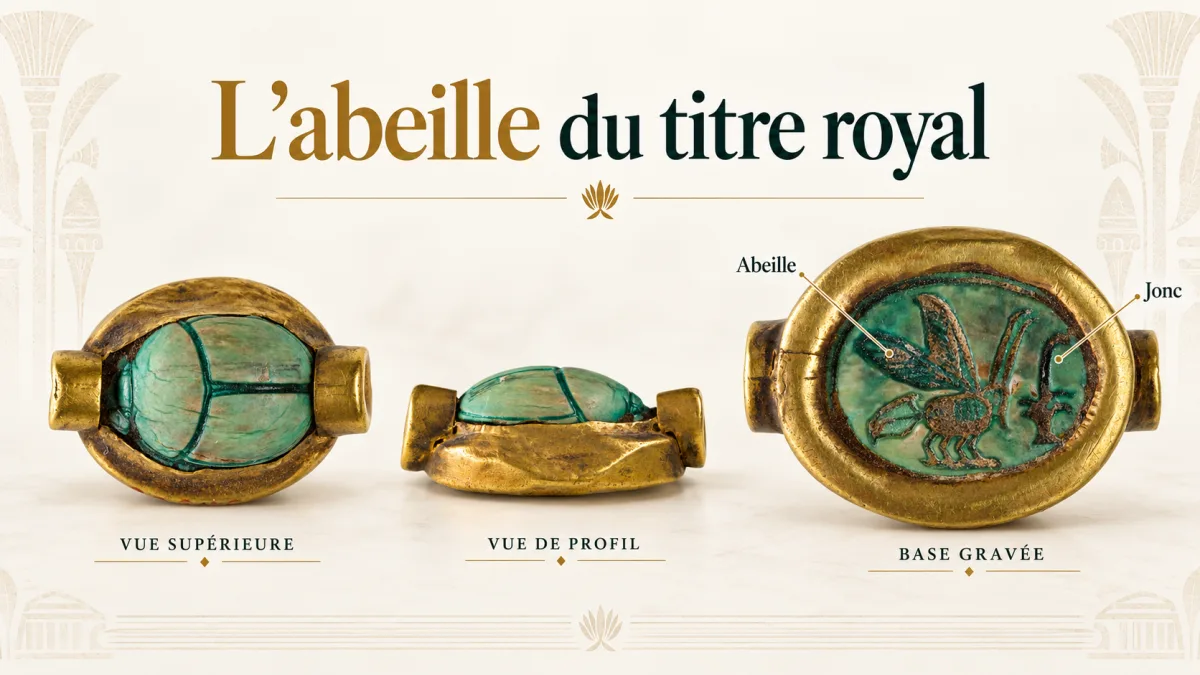
The idea is much older than Rome. In Egypt, the pharaoh bears the title of nsw-bity, which is translated as “king of Upper and Lower Egypt”. The rush designates the South, the bee designates the North, the Nile delta. For almost three thousand years, every coronation name is preceded by this little insect.
The Metropolitan Museum of Art in New York has a scarab mounted in a ring, dating from the reign of Hatshepsut. On its flat face, two signs engraved: the rush and the bee. The royal title fits into an object measuring less than two centimeters.
From pattern to colony
For centuries, palace bees remained engraved, embroidered and sculpted. The first living hives enter through a clever door. In 1856, the Central Beekeeping Society opened a school apiary in the Luxembourg Gardens nursery, owned by the Senate. Haussmann’s work won out ten years later. It was reestablished in 1872, in the location it still occupies.
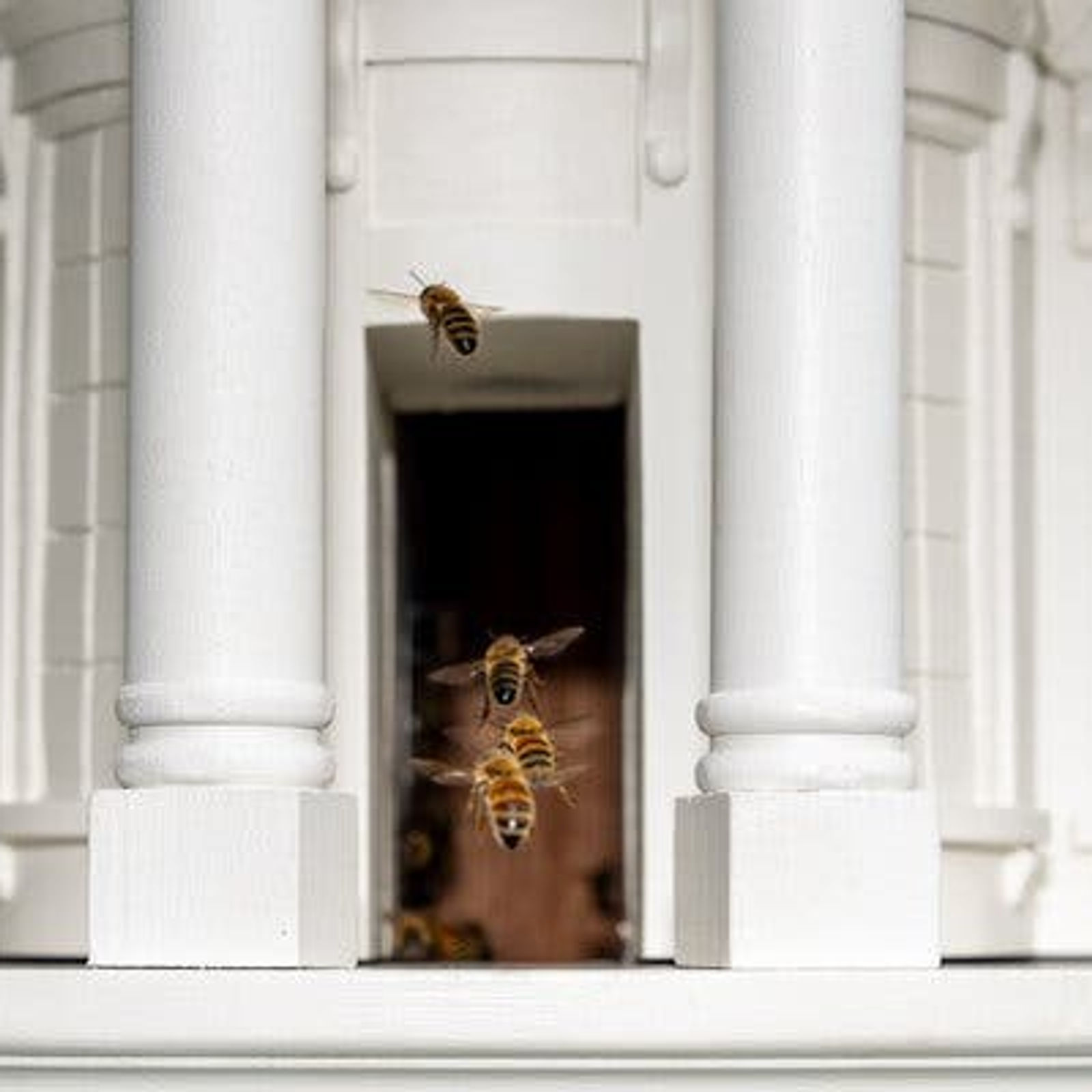
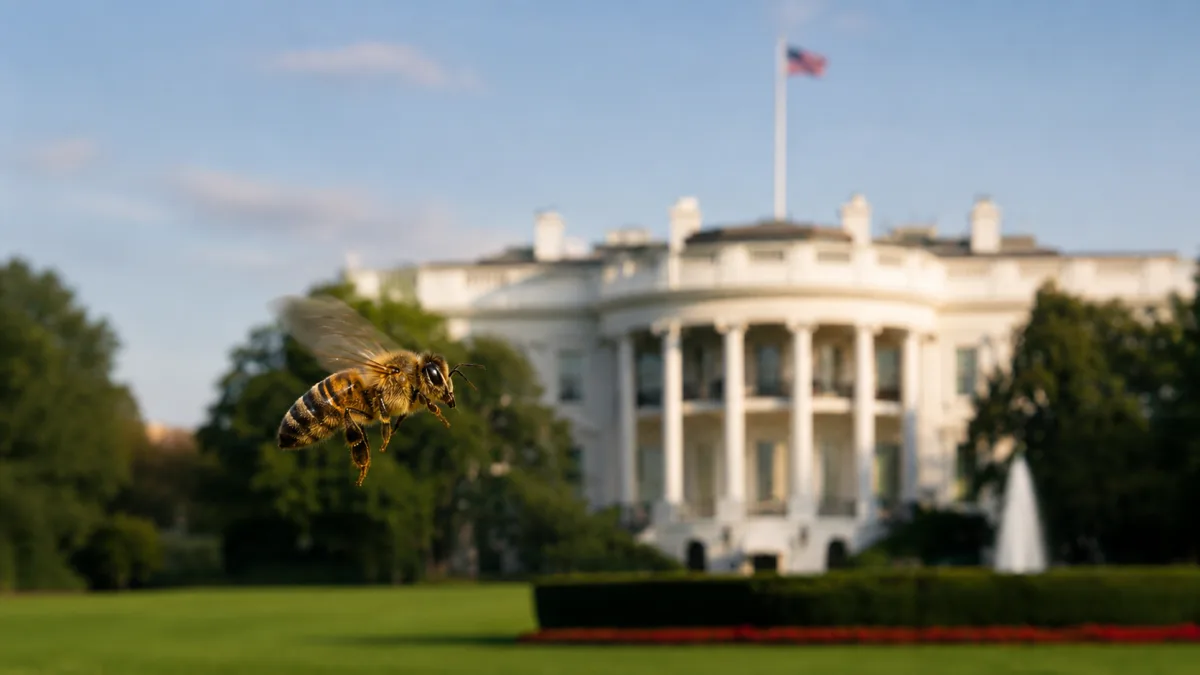
We then had to wait until the end of the 2000s for the hives to reach the residences of power. In London, Buckingham Palace installs its own on an island in its lake. In Washington, in the spring of 2009, a White House carpenter, Charlie Brandts, placed a beehive on the South Lawn. She must pollinate the vegetable garden that Michelle Obama has just created.
No one speaks about Childeric that day. The hive is there for the vegetables.
Sources and credits
Institutional sources
- Napoleon Foundation,
(session of June 12, 1804, Cambacérès, mention of cicadas). * National Library of France, Coins, medals and antiques,
note “Bee”, treasure of Childeric
. * Wallonia,
“May 27, 1653: discovery of the tomb of Childéric I”
. *Metropolitan Museum of Art,
Scarab Set in a Ring Bezel, 36.3.16
. * Bibliotheca Alexandrina,
(title
nsw-bity
). * General catalog of Italian cultural goods,
. * Senate,
; Luxembourg Gardens,
. *Royal.uk,
.
Specialized sources and press
- Central Beekeeping Society,
. *Bee Culture,
“Charlie Brandts, White House bees”
, 2022. * Wanted in Rome,
“Barberini bumble bees and Bernini”
, May 20, 2026.
Image credits
Illustration: image generated by artificial intelligence for Intendance Palace.
- Main image: © National Library of France, Coins, medals and antiques.
- Image 1: Jean-Jacques Chiflet,
Anastasis Childerici
, 1655, public domain. * Image 2: Jean-Auguste-Dominique Ingres, Army Museum, public domain. * Image 3: Zorro2212 / Wikimedia Commons, CC BY-SA 3.0. * Image 4: The Metropolitan Museum of Art, 36.3.16, public domain.