How the leading world power, whose food brands are on all continents, created a corps of volunteer chefs in 2012 to convince the rest of the world that it had real gastronomy.
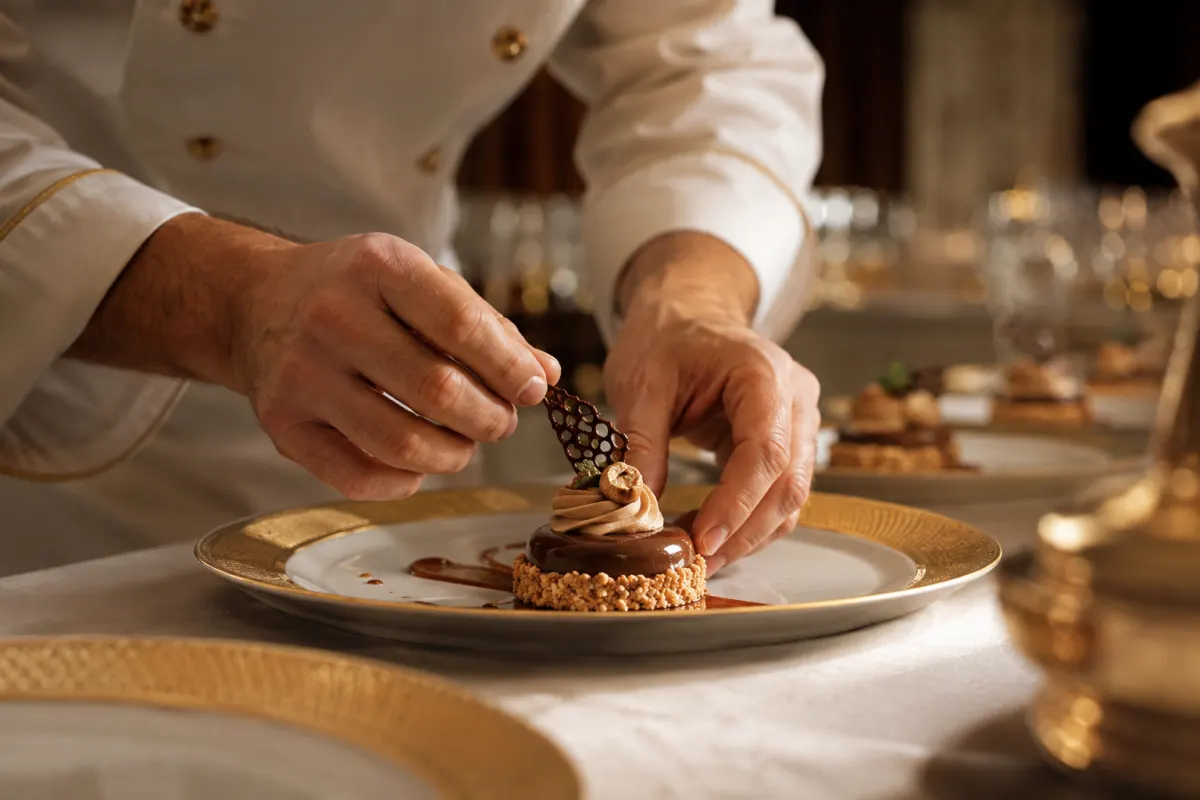
On September 7, 2012, in the lounges of the Department of State in Washington, more than eighty chiefs received a navy blue jacket embroidered with the American flag, the seal of the department and their name in gold letters. They won’t get a dollar. The leading world power has just acquired a culinary reserve.
A superpower that doubts its attitude
The paradox of the most eaten country in the world
No state has exported its food as far as the United States.
Its brands are installed in almost every country on the globe, its industrial products have reshaped eating habits on four continents, and its culinary vocabulary is understood everywhere. On paper, America has no need for gastrodiplomacy.

However, it was she who, in 2012, launched the Diplomatic Culinary Partnership with the James Beard Foundation, and recruited the American Chef Corps. The reason lies in a discrepancy that the analysis grid of American researcher Mary Jo A. Pham clearly illuminates: gastrodiplomacy targets the ordinary diner, the one who forms an opinion of a country at a restaurant. But world opinion on American cuisine was already made, and it had been shaped by brands that Washington had not chosen.
The Chef Corps was therefore not used to build an image. It just served to correct it a little.

Hillary Clinton, then Secretary of State, justified the operation with a famous phrase: food is not traditionally considered a diplomatic tool, but sharing a meal allows you to cross borders and build bridges like nothing else allows. She adds that taking into account the tastes, ceremonies and values of others is an overlooked and powerful dimension of diplomacy.
The Spanish leader who represented America
Among the first enlisted was José Andrés. Born in 1969 in Mieres, Asturias, trained in Catalonia, he was one of the most recognizable faces of American cuisine. He did not become a citizen of the United States until December 2013, more than a year after donning the jacket bearing the seal of the State Department.

For fifteen months, one of the unofficial ambassadors of American gastronomy traveled with a Spanish passport.
The detail is not anecdotal, and Mary Jo A. Pham notes it in her own way: in a text from April 2013, she cites José Andrés in the chapter of Spanish gastrodiplomacy, alongside Ferran Adrià and the Cervantes Institute, while noting his membership in the American body. The same man served two soft powers at the same time, and neither found fault.
The kitchen is probably the only diplomatic arena where dual allegiance passes for quality.
What the table says about power
There remains a singularity which distinguishes the American operation from all the others. Pham established the boundary that literature has used since: gastrodiplomacy is aimed at public opinion, culinary diplomacy at governments. The official banquet on one side, the restaurant front on the other.
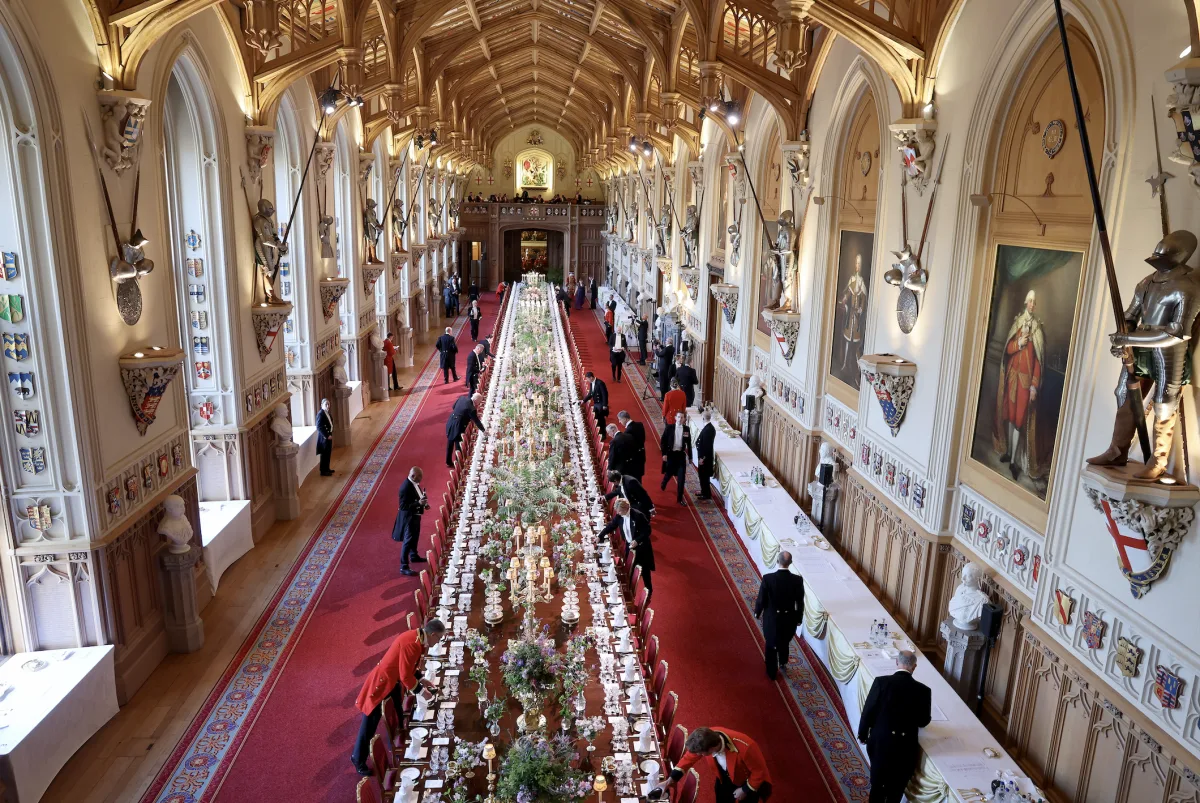
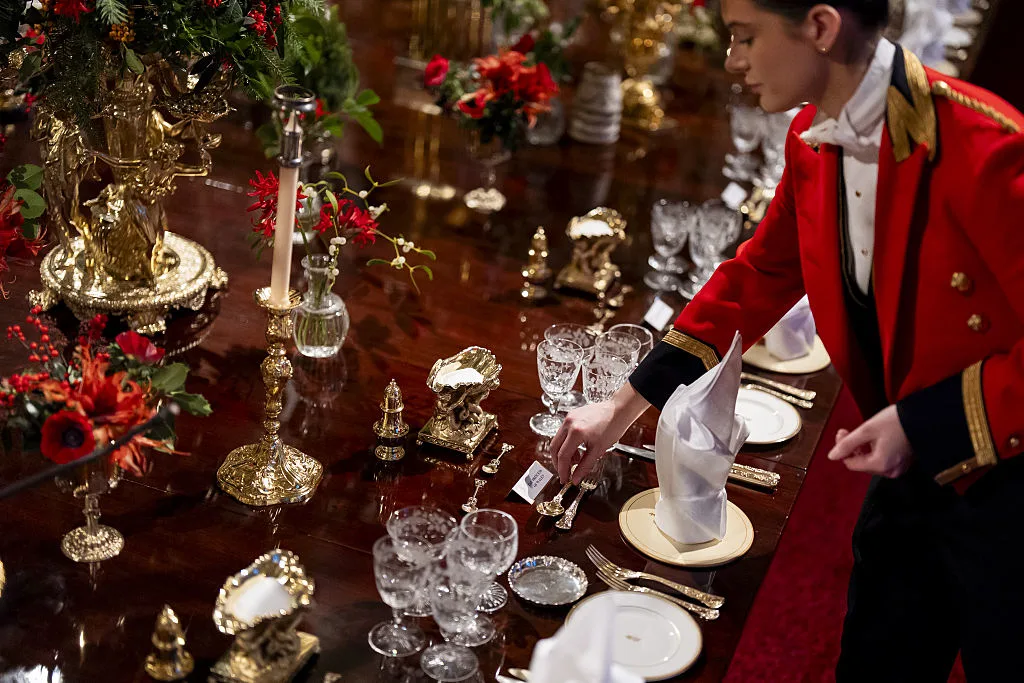
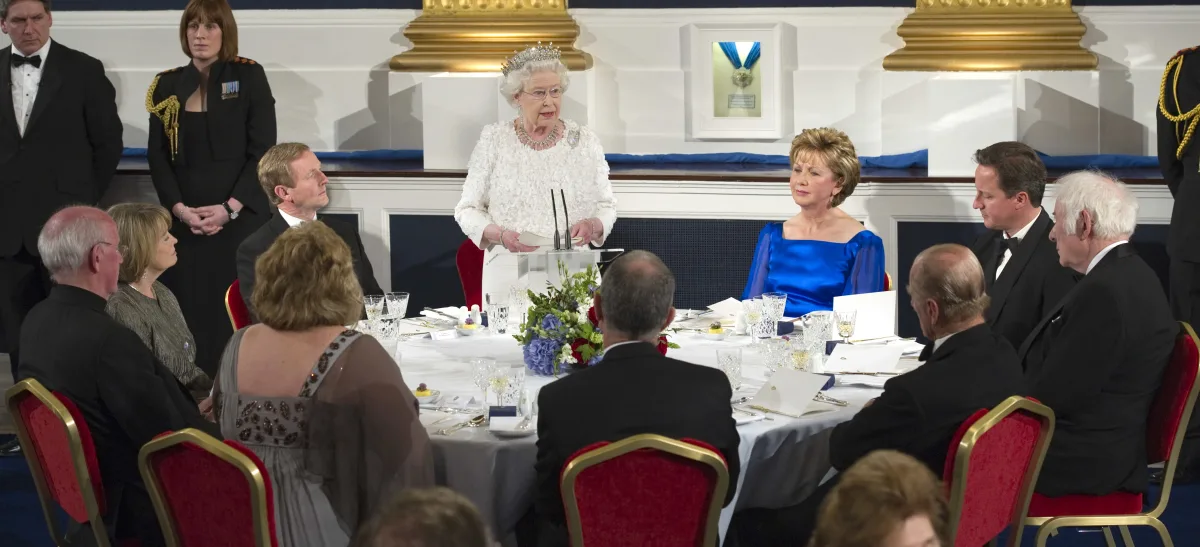
But the United States chose the first. Where South Korea has financed the opening of restaurants abroad and Thailand has multiplied its brands, Washington has not sought to cover the world with American tables. The Chef Corps cooks for visiting dignitaries, hosts programs in embassies and receives foreign counterparts. He works on the working meal, the protocol, the one-on-one meeting.
This is the opposite logic to that of Taiwan, which opens stores because it cannot open embassies.
A power that the whole world already listens to does not need to seduce the crowds. She needs to seduce the guest sitting opposite.
The paradox is contained in one line. The country whose food is eaten everywhere is the one that had to enlist volunteers to prove it had a kitchen. Culinary influence and culinary reputation are two separate things, and it is perfectly possible to gain the former while losing the latter.

FAQ
What is the American Chef Corps? A corps of volunteer American chefs established on September 7, 2012 by the Department of State with the James Beard Foundation. Its members cook for foreign dignitaries, speak at embassies and host foreign chefs in their own kitchens, without pay.
Why did the United States need such a program? Because its global food influence was based on industrial brands, not gastronomy identified as such. The program was less about creating an image than correcting one.
How does it differ from the Korean or Thai campaigns? The latter involve gastrodiplomacy, focused on public opinion, with the opening of restaurants abroad. The American body is part of culinary diplomacy, oriented towards governments, and works the official meal.
Sources
- United States Department of State. “U.S. Department of State to Launch Diplomatic Culinary Partnership.” Press release, September 7, 2012. *James Beard Foundation. Presentation page of the Diplomatic Culinary Partnership and the American Chef Corps.
- United States Department of Agriculture. “Chef Corps to Help Build Bridges through Culinary Engagement.” September 28, 2012. Source of Hillary Clinton’s statements.
- National Public Radio, The Salt. “America’s Best Chefs Answer The Call To Serve Their Nation.” September 8, 2012. Source of the number of enlisted leaders, the description of the jackets and the voluntary nature of the system.
- Pham, Mary Jo A. “Food + Diplomacy = Gastrodiplomacy.” The Diplomatist, Public and Cultural Diplomacy Forum, American University, April 5, 2013. Source of the rapprochement between José Andrés, Spanish gastrodiplomacy and the American body.
- Pham, Mary Jo A. “Food as Communication: A Case Study of South Korea’s Gastrodiplomacy.” Journal of International Service, volume 22, number 1, spring 2013. Source of the distinction between gastrodiplomacy and culinary diplomacy.
Iconographic credits
Photographs: U.S. Department of State, Office of the Chief of Protocol. Official images of the United States federal government, royalty-free under Section 105 of Title 17, United States Code. Reproduced with mention of their origin.