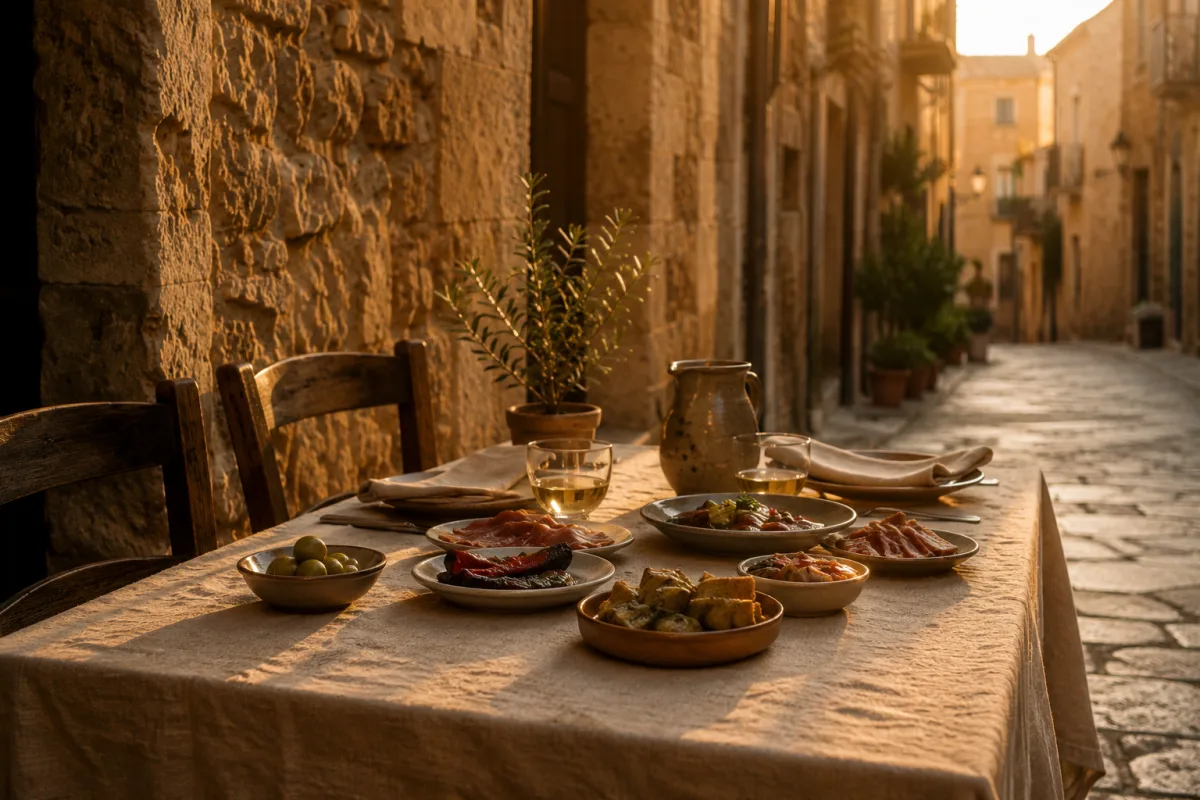

On September 5, Place Albert-de-Belgique in Perpignan, twelve communities will serve nine hundred guests for 15 euros.
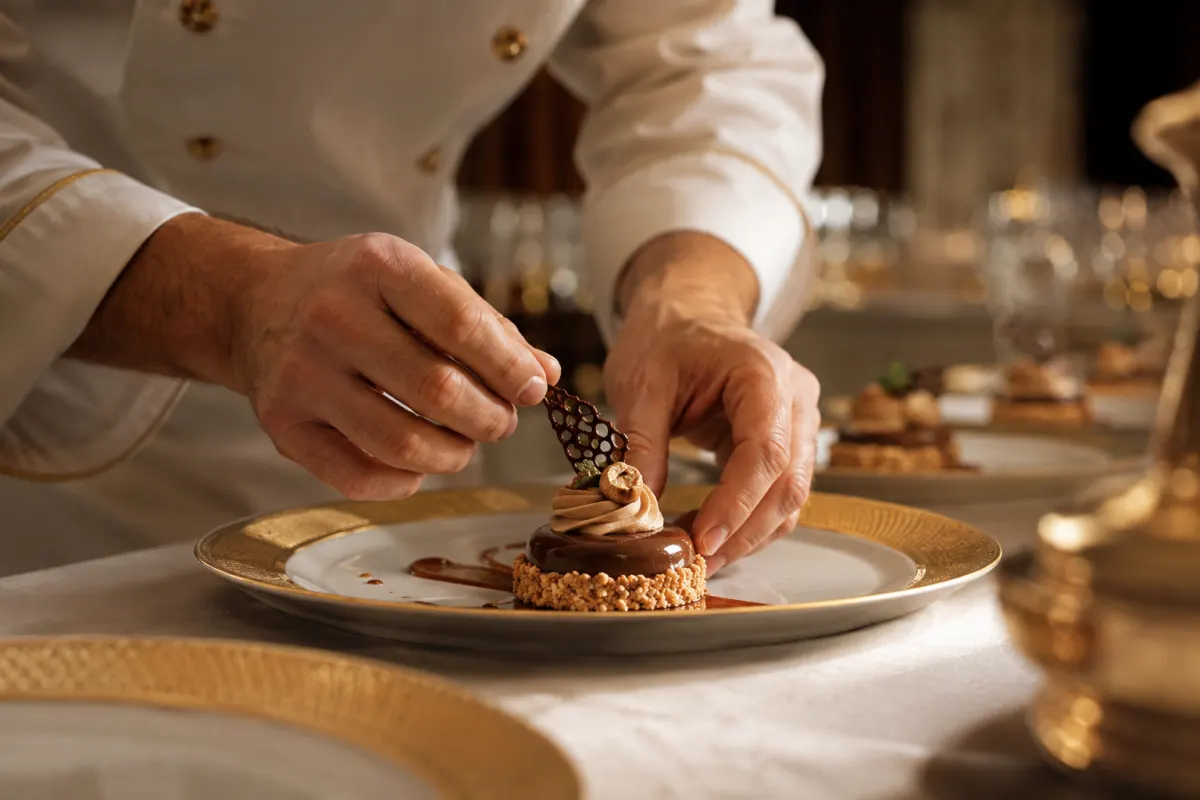
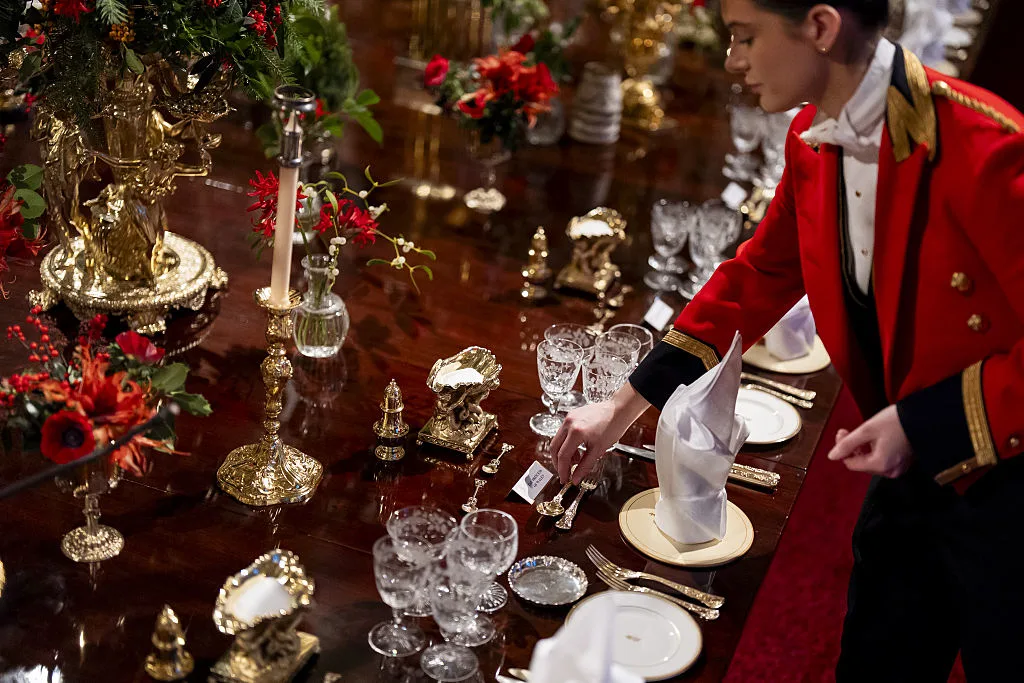
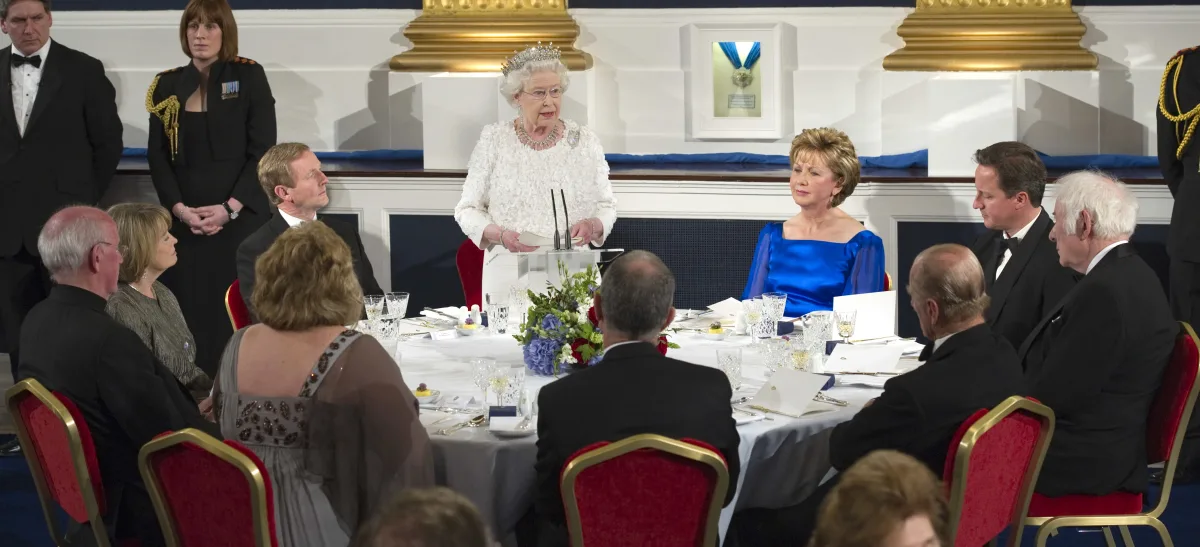
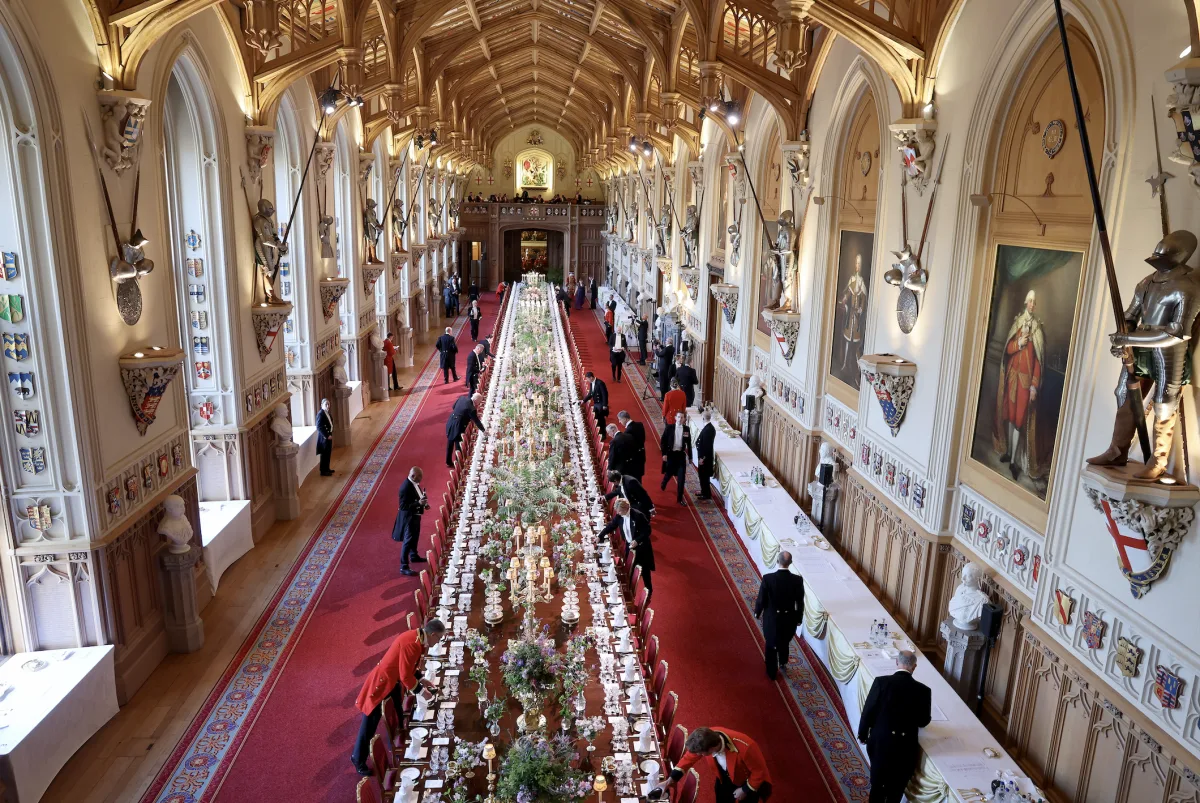
There will be no ambassador, no seating chart, no china or crystal.
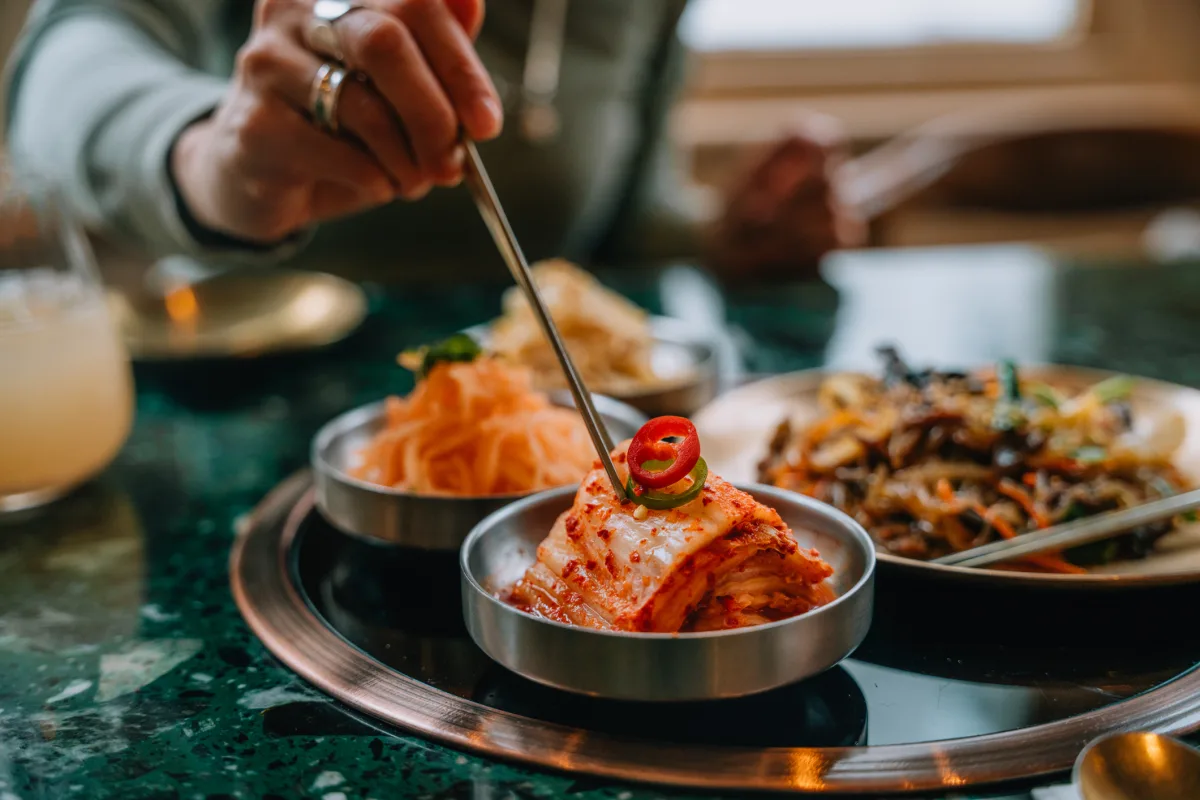
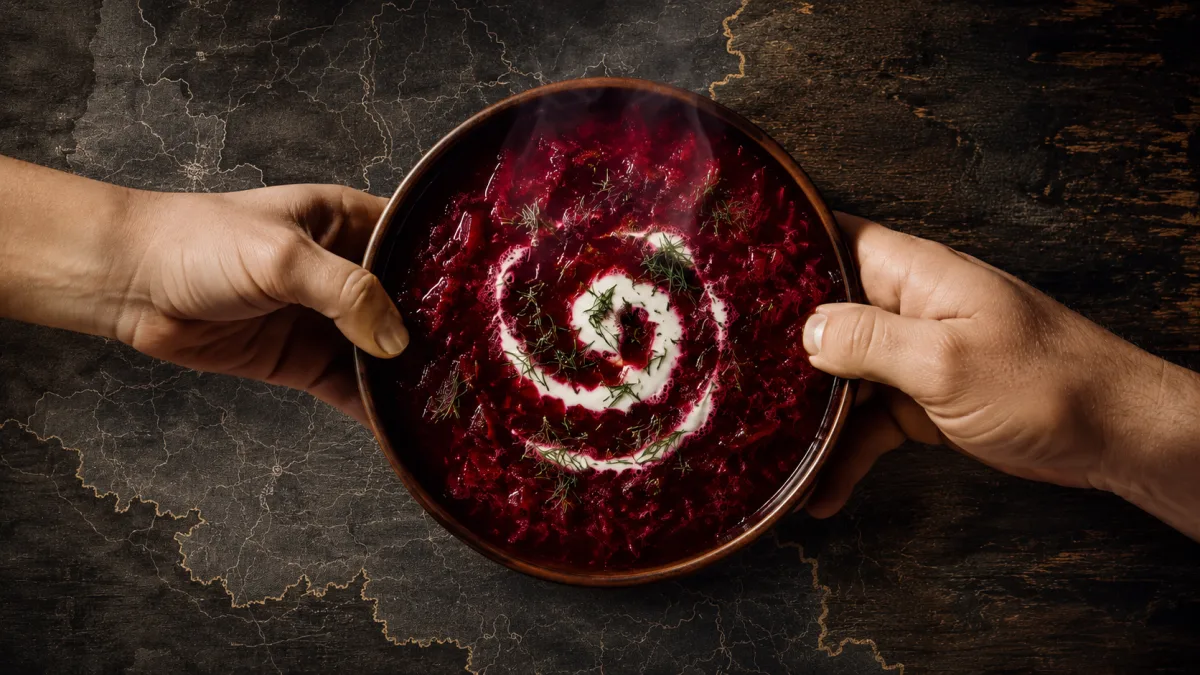
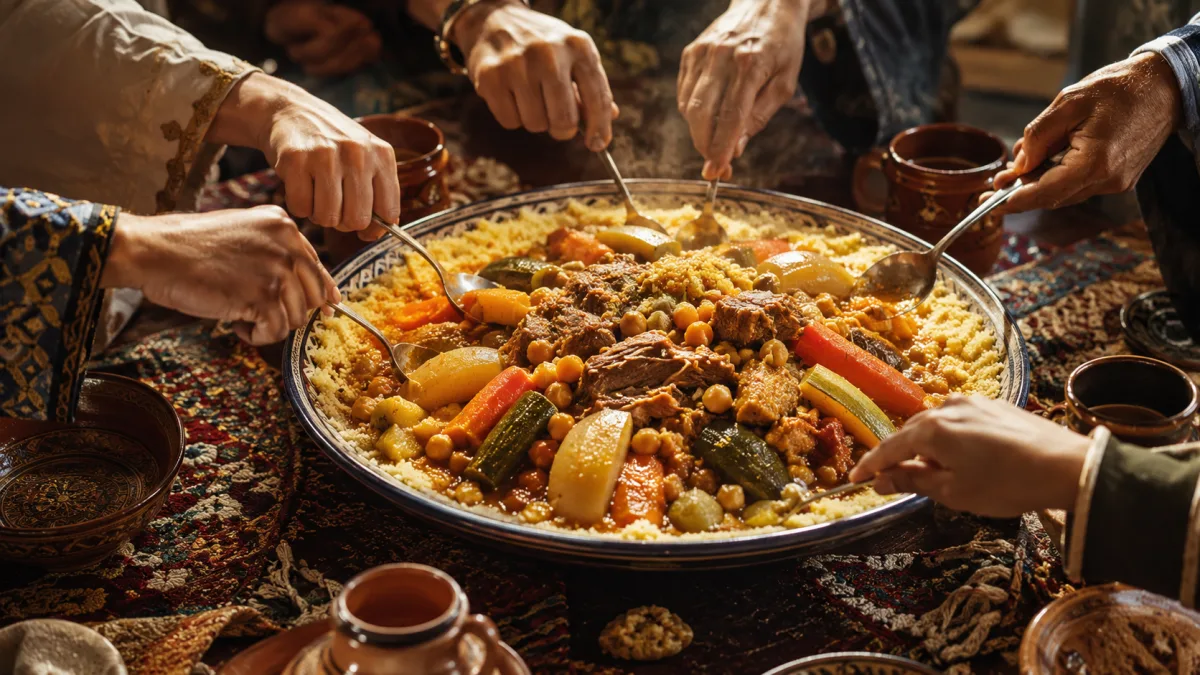
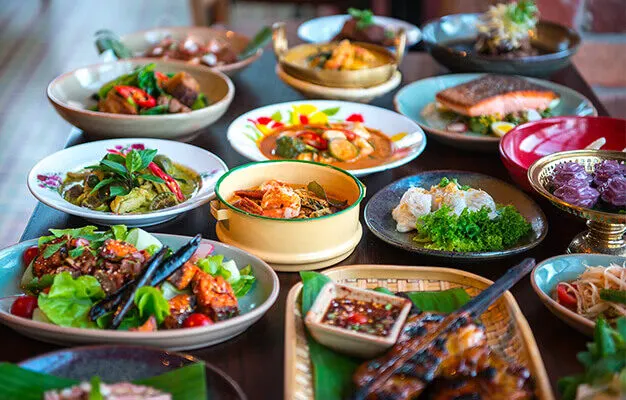
A cardboard tray, a returnable cup, twelve servings; twelve culinary specialties represented (Brazil, Armenia, Spain, Gwad Islands, Ukraine, Gabon, Haiti, Portugal, India, Cameroon, Madagascar and Belgium). And yet, that evening, the most effective gastrodiplomacy in the world will be played out in a local square, in a city of 120,000 inhabitants, without any State having signed the slightest check.
February 2002. The Economist invents a word to gently make fun of a Thai fad: gastrodiplomacy. Twenty-four years later, no one has noticed that the most accomplished version is practiced on Saturday evenings, for free, in front of a French train station.
The facts are disarmingly simple
Saturday September 5, 2026, 7 p.m., Place Albert-de-Belgique in Perpignan, Gare district. Fifth edition of Gastro Gare.
A 15 euro card entitles you to twelve portions (one per country), a tray and a returnable ecocup. Nine hundred places, not one more. Multiply: nine hundred cards by twelve portions, that’s more than 10,800 portions to produce, transport, hold at temperature and serve in four hours.
1.25 euros per national representation, entertainment included.
This is where stewardship comes into play.
The secret equation: three years of development
Béatrice Soulé-Roig, head of the Perpignan La Gare association, puts it this way: “Gastronomy brings people together, music and dance too”.
For three years, she has been refining the equation to make it work. Each association receives the same instructions: prepare a thousand portions in the form of glasses, tapas, appetizers or small dishes, with a budget not to be exceeded. The association provides all the containers (plates, trays, verrines, cups, cutlery), plus the necessary equipment (fryers, bain-marie, microwaves, hotplates, refrigerators).
“It’s a big job of stewardship,” recognizes Béatrice. It took three years to find the right formula, one that would not fail on the big day.
Small countries like Belgium and continental giants like Brazil serve exactly the same volume, at the same price, at the same table. That night, we are all equal. Hence the implementation, this year, of the online reservation system and the increase in portions per association: because asking 369 volunteers to produce the equivalent of a small restaurant without breaking is an art that can be learned.
The palace steward would recognize his signature there: methodical planning, adaptability, and the invisible infrastructure that supports the spectacle.
Beyond the portion: the spectacle of dialogue
Each association prepares a fifteen to twenty minute show (songs, dances, cultural presentations). Bollywood music, Brazilian rhythms, urban dances, country presentations. The meal is enriched by a performance which transforms the guests into spectators of their own encounter.
Above all, several associations thus finance charitable actions in their country of origin. The example of Haiti is symbolic: part of the profits from the Haitian portions goes back to the construction of schools. The diplomacy of the meal becomes the diplomacy of sharing.
The same mission, two approaches
Let’s first look at what the institutional version costs.
Thailand launched Global Thai in 2002: cooking classes, recipes recalibrated for foreign palates, financing by the public export bank. South Korea is investing 77 million dollars on Korean Cuisine to the World in 2009. Taiwan is investing 34.2 million from 2010 to 2014. Australia is spending 10 million in 2014. Japan, Peru, Malaysia, the Nordic countries: all are looking for the same thing.
Let a stranger taste, remember, and associate a pleasure with a flag.
In Perpignan, it’s exactly the same mission. Except that the States of Thailand, Korea, Taiwan have chosen the check. The Perpignan La Gare association has chosen the cardboard tray and volunteering.
Gastro Gare 2026 figures: 13,500 euros in gross revenue, 369 members, more than 10,800 portions served in four hours, or 1.25 euros per portion financed by the consumer themselves.
What the States count in ministerial investments, Perpignan accomplishes on Saturday evenings in the shadows, with rental fryers, volunteering and passion.
What no ministry can buy: Saturday night authenticity
Here, no one has a government mandate. The Association of Gabonese of Roussillon does not represent the Gabonese Republic. It represents what the Gabonese people of Perpignan cook on Sundays with their families.
No approved recipe, no inspection, no ministerial label.
And this is precisely what makes it strong. When a State certifies, it decides and excludes: around 2006, Japan experienced a global controversy around a project to certify its restaurants abroad, immediately nicknamed the “sushi police”.
This Gastro-diplomacy lets everyone at the same table, with equal portions and price, regardless of whether you represent a country of 200 million inhabitants or a small Caribbean island.
Stewardship of the shared meal
Invisible work is the work that no one sees before the event. Three years of development. Four hours of service during which 1,000 portions per combination must hold temperature. The equation of fryers, microwaves, available space in a neighborhood square. Volunteers who cook on Friday evening and Saturday morning. Online reservations that go up and up. Logistics that barely breathe.
Academic work increasingly recognizes diasporas, associations and chefs as the decisive channel of culinary influence. But they don’t take into account what happens on D-day. No ministerial report, no financial statement, just 900 guests who had the privilege of tasting the world without leaving their neighborhood.
In the shadows, the gastrodiplomacy of the sidewalk does a sublime job of representation that no one takes into account. And maybe that’s what makes it so powerful.
On September 5, culinary diplomacy will take place without diplomats. With volunteers, love for the table, and the quiet certainty that a part of Belgium is worth a part of Brazil.
Sources
- L’Indépendant, August 28, 2026, announcement of the fifth edition of Gastro Gare
- Perpignan La Gare Association, “Gastro Gare 2022” pages and presentation of the association
- HelloAsso ticket office, Gastro Gare 2026
- USC Center on Public Diplomacy, “Eight Great Gastrodiplomacy Nations”
- VinePair, on the Global Thai program and the Thai restaurant park
- Frontiers in Political Science, literature review on gastrodiplomacy, 2025
- Ministry of Agriculture, “Taste of / Good France”
- UNESCO, “The gastronomic meal of the French”, 2010
- Correspondence Intendance Palace / Béatrice Soulé-Roig, August 2026, Association Perpignan La Gare