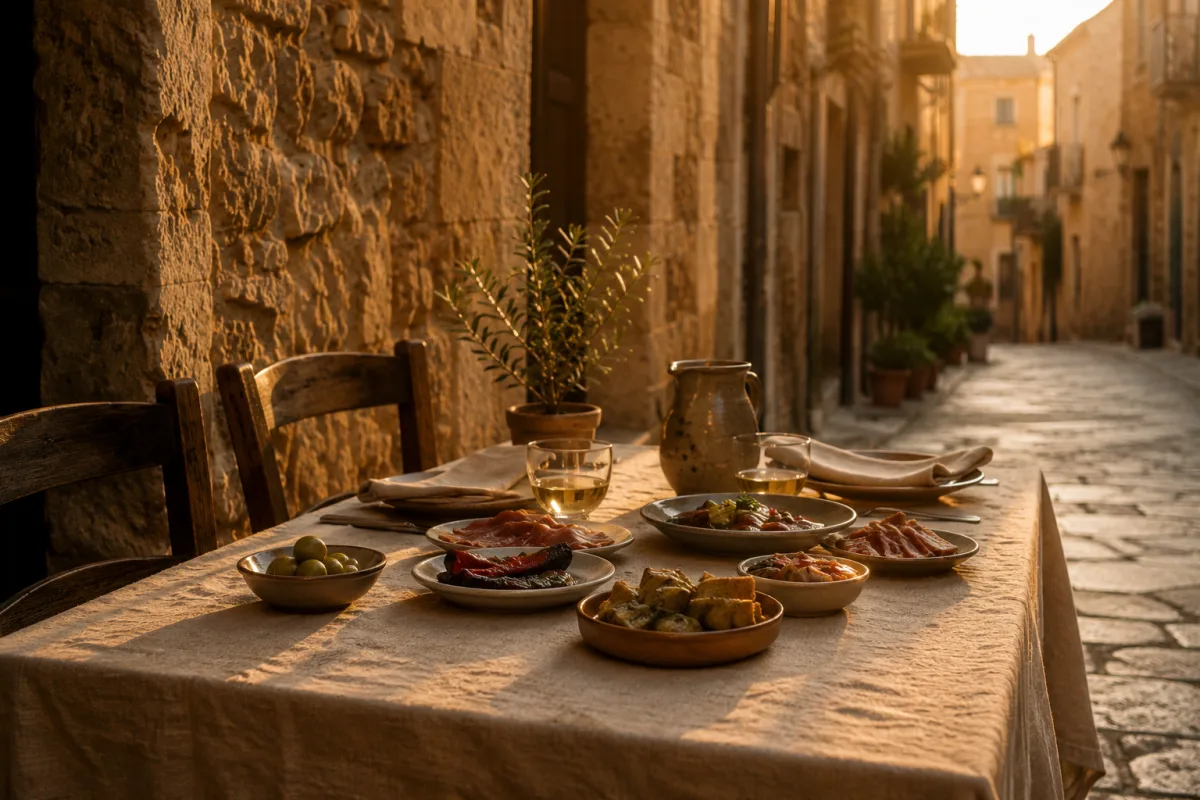
In 2013, at the height of a severe economic crisis, Spanish private players chose an unexpected weapon to regain an image abroad: the table.
A table diplomacy born of necessity
A crisis as a starting point
In 2013, Spain was going through one of the most difficult moments of its economic crisis. Unemployment is exploding, international confidence is crumbling, and the country’s image abroad is directly suffering.
It is in this precise context that a series of culinary events was born intended to reintroduce Spain into the international imagination, no longer as a country in difficulty, but as a desirable gastronomic and tourist destination.
The initiative does not come from a ministry. It is supported by private organizers, confronted from the start with a very concrete question: how to finance such an enterprise, and how to get private and public actors to collaborate around shared objectives, foremost among which are tourism and food exports.
Diplomacy without chancery
This case overturns a widespread intuition about gastrodiplomacy, often associated with campaigns driven from the top of the state, with a goal set by a government and a dedicated administration.
Here, the logic is reversed: it is private economic actors who initiate the process, then seeking to convince public authorities to get involved, rather than the reverse.
This difference is not anecdotal. It shows that table diplomacy can arise from economic necessity as much as from organized political will, and that it can be built from below, through private initiatives seeking institutional support, rather than from above, through a ministry which decides and finances alone.
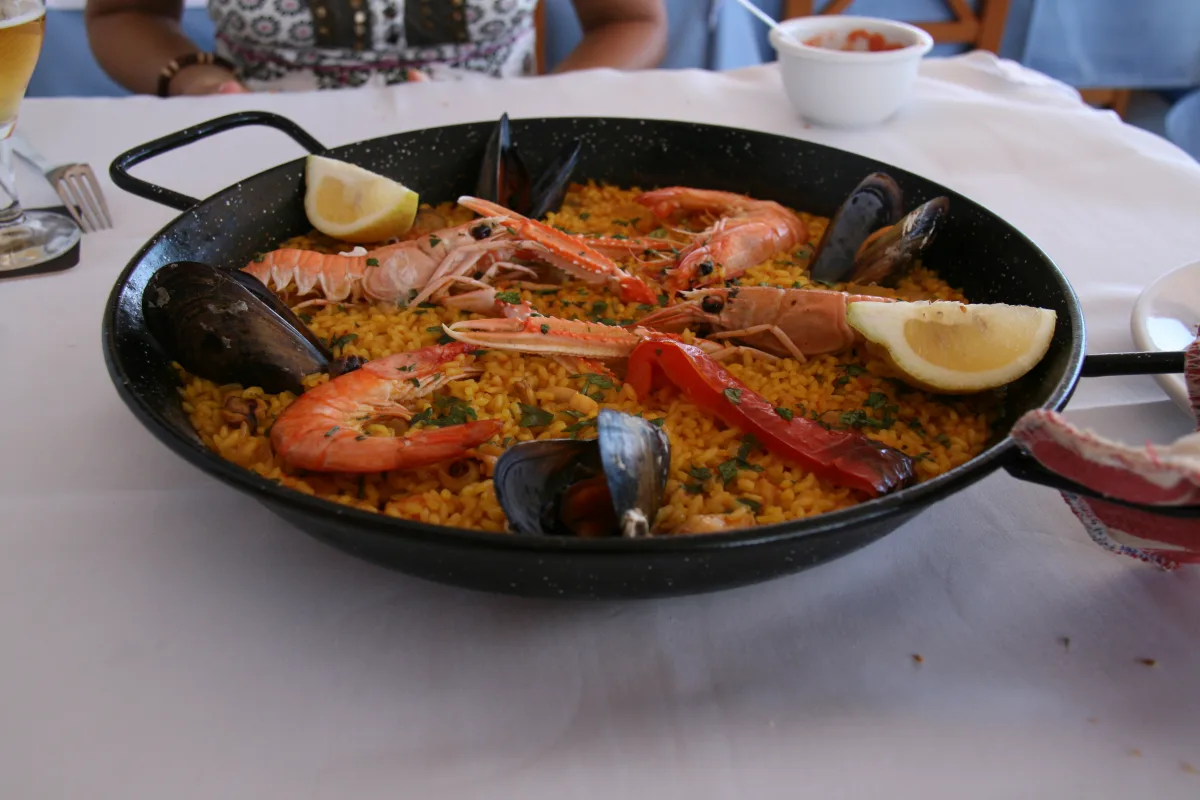
What this case reveals about the fragility of the national image
This case also illustrates a broader truth: the gastronomic image of a country can become an image repair tool, mobilized at the precise moment when other levers of power, economic or political, are weakened.
When a country goes through a crisis of international confidence, its cuisine can become one of the few assets still fully available to rebuild a positive image abroad, precisely because it largely escapes the negative economic indicators that dominate the news.

A lesson in method
This Spanish case invites us to qualify the idea that gastrodiplomacy is by nature a powerful and well-financed state instrument.
It can just as easily arise from a modest initiative, born out of constraint, patiently seeking funding and institutional allies.
The table, in this case, does not extend the power of a country. She tries to restore it.