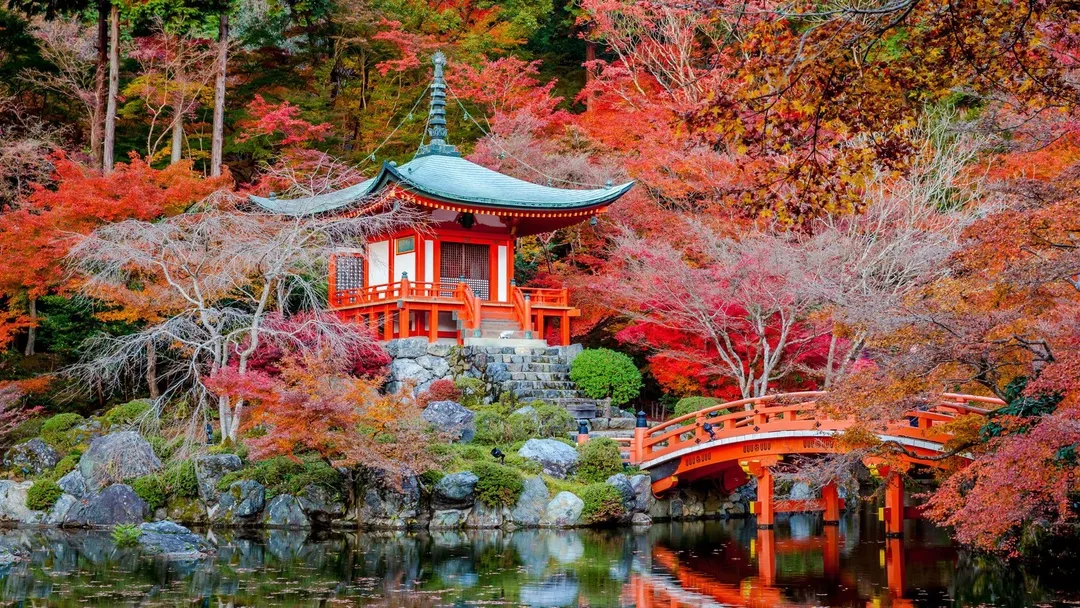
In the Zen monasteries of Japan, the man who holds the kitchen is neither a servant nor a mere technician: he is one of the highest dignitaries of the community. A journey into a tradition, little known in Europe, where to peel a vegetable is worth a meditation - and where modern stewardship has much to learn.
The year is 1223, on the docks of Ningbo, in China. A young Japanese monk, freshly disembarked, watches an old man who has come to buy mushrooms for his monastery. The heat is crushing; the man is more than sixty years old. The young monk is astonished: why does a religious of such rank stoop to such chores, instead of entrusting them to a novice? And why not wait for the cool of the evening? The old cook smiles: “Others are not me. And if not now, when?” The young monk was called Dōgen. Back in Japan, he would found the Sōtō school, one of the great traditions of Zen Buddhism - and would never forget that lesson received beside a basket of mushrooms.
”)
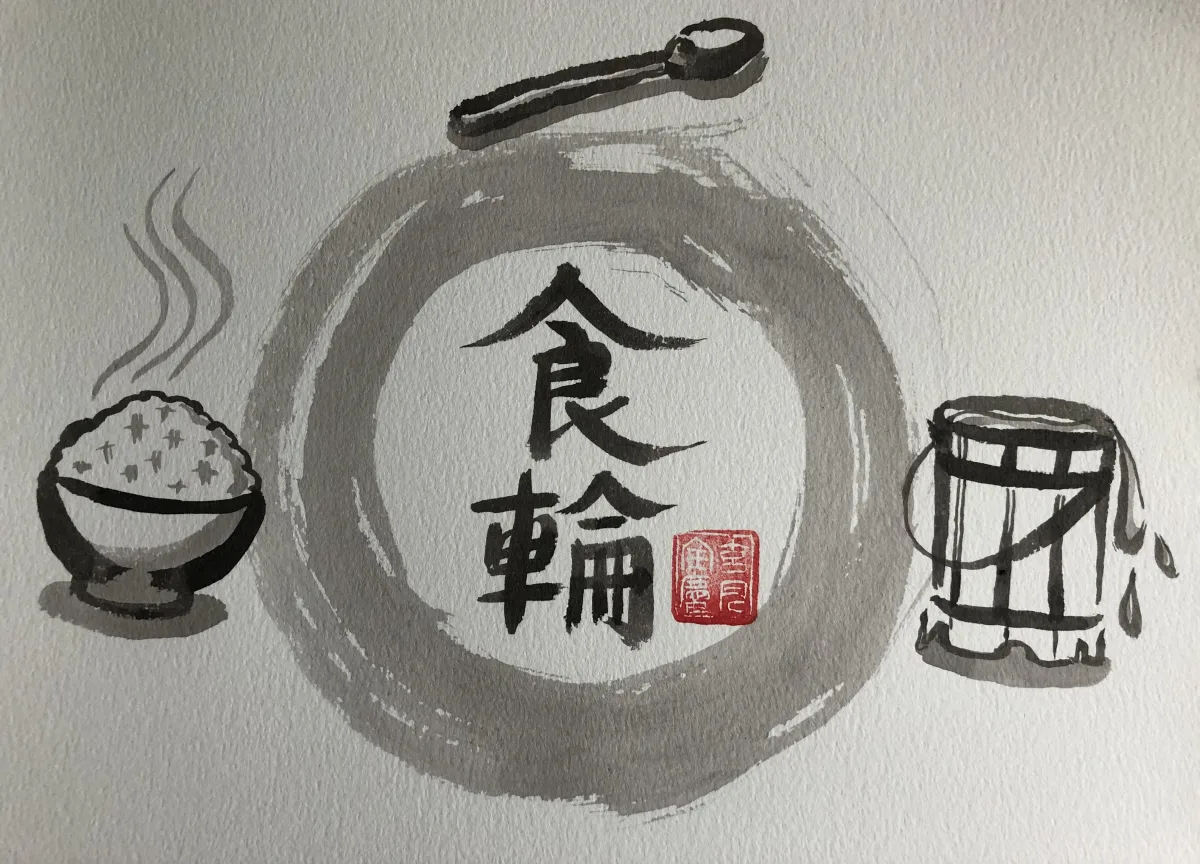
To understand the scene, one must first set the stage. In a Zen monastery, life is ordered by a handful of officers who share the responsibility for the community. There are six of them. One watches over the rites, another over discipline, another over the buildings. And then there is the tenzo: the head cook, the one who feeds all the monks. Far from being a subordinate task - as the work of the kitchen would be in many an institution - this charge ranks among the most honourable and the most demanding of the monastery. The consecrated formula says it all: the tenzo is “a disciple of the Buddha who does the work of the Buddha”. To cook, here, is not inferior to meditating. It is the same thing.
This conviction Dōgen set down in writing in 1237 in a text that has remained famous, the Tenzo Kyōkun, literally “Instructions for the cook”. The document surprises by its double nature. It is first of all a manual of an almost military precision: the tenzo must rise before midnight, soak the rice, prepare the soup, count the monks, calculate
the quantities, supervise each stage himself. He must never delegate out of laziness what he can do with his own hands. Before each meal, he goes to the meditation hall, prostrates himself, offers incense. Eight centuries before the great brigades of European gastronomy, a monk had already set out the principles of all serious stewardship: anticipation, rigour, presence at every instant.
But the text is also a philosophical treatise. For Dōgen, there exists no contemptible ingredient. The grain of rice deserves the same care as the rarest dish. “To lift a single blade of grass builds a sanctuary,” he writes; “to enter a single grain of dust turns the great wheel of the law.” Nothing is wasted, nothing is treated lightly. One measures how far this demand, born in the thirteenth century, meets our most contemporary preoccupations: respect for the product, seasonality, the refusal of waste. The movement we call today “responsible cooking” possesses, without knowing it, a distant monastic ancestor.
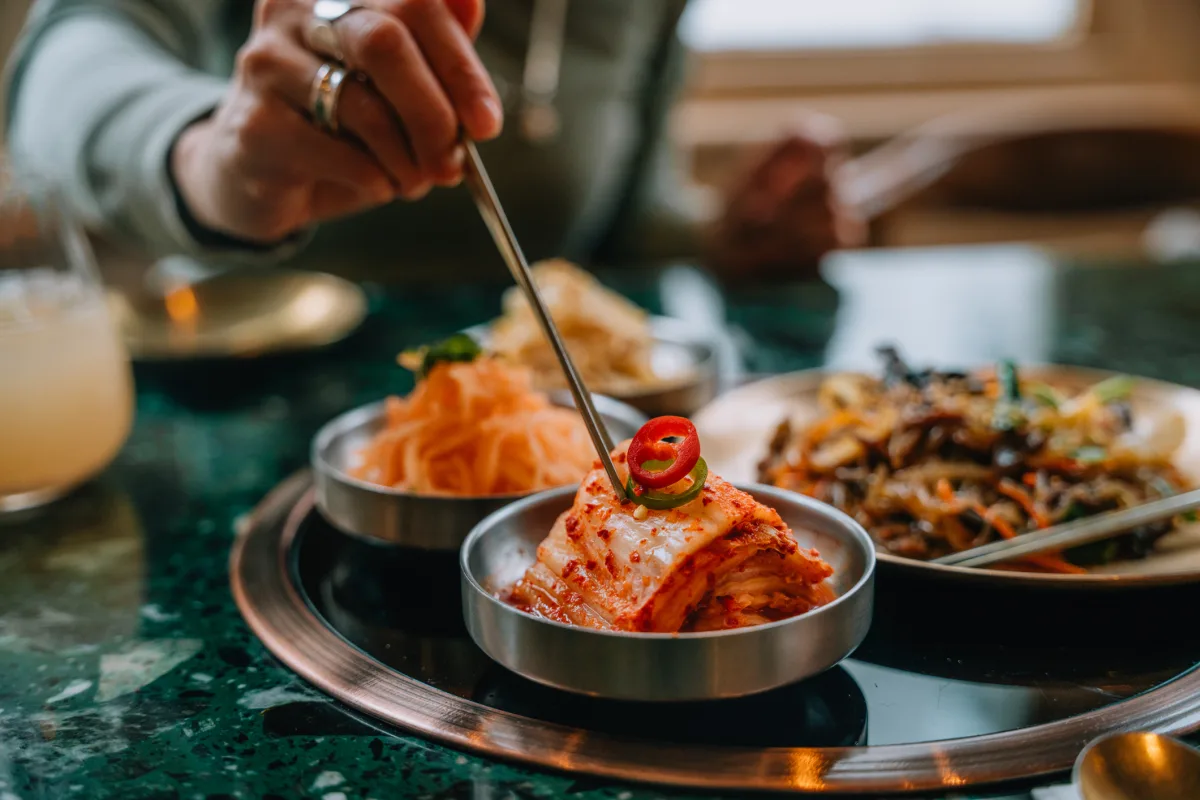
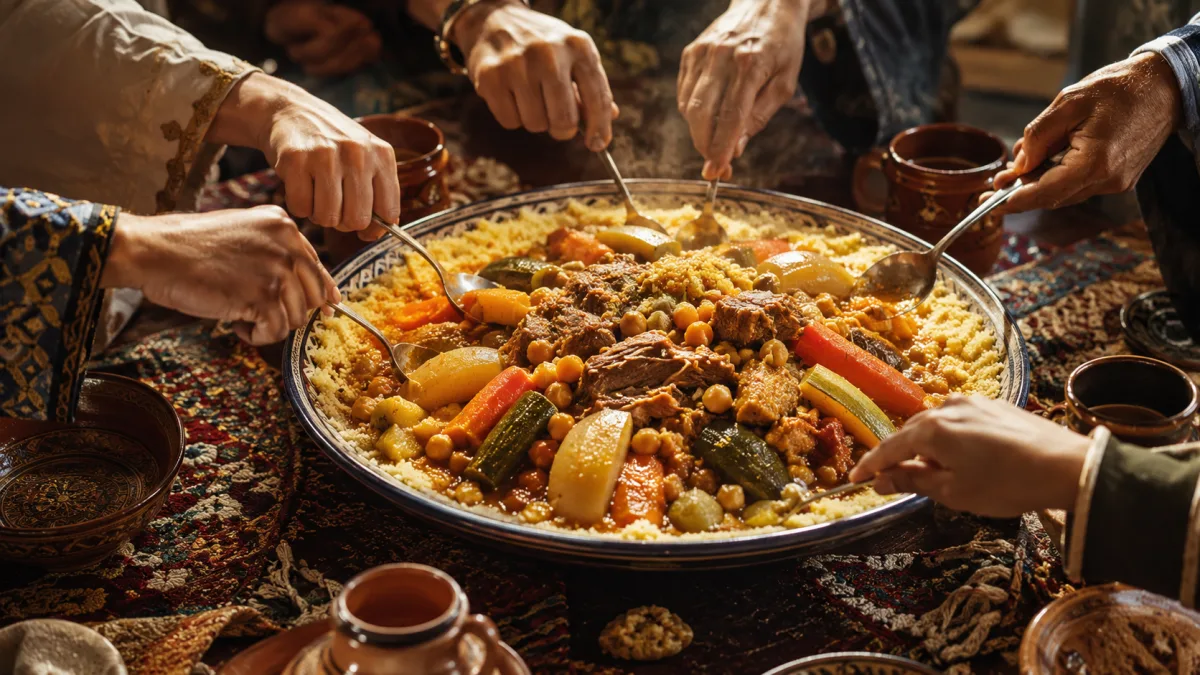
The tenzo is not, moreover, an isolated exception. Everywhere the kitchen touches the sacred, the one who holds it ceases to be a mere executant. The Rule of Saint Benedict, which has governed the monasteries of the West since the sixth century, requires that all the brothers serve in the kitchen in turn, without anyone judging himself exempt. In Korea, the cuisine of the Buddhist temples, sachal eumsik, is today listed as national cultural heritage. In the great temples of India, cooks of lineage prepare each day the food offered to the deity before sharing it with the faithful. One and the same idea runs through these worlds: to nourish a community is a charge of honour, not a chore.
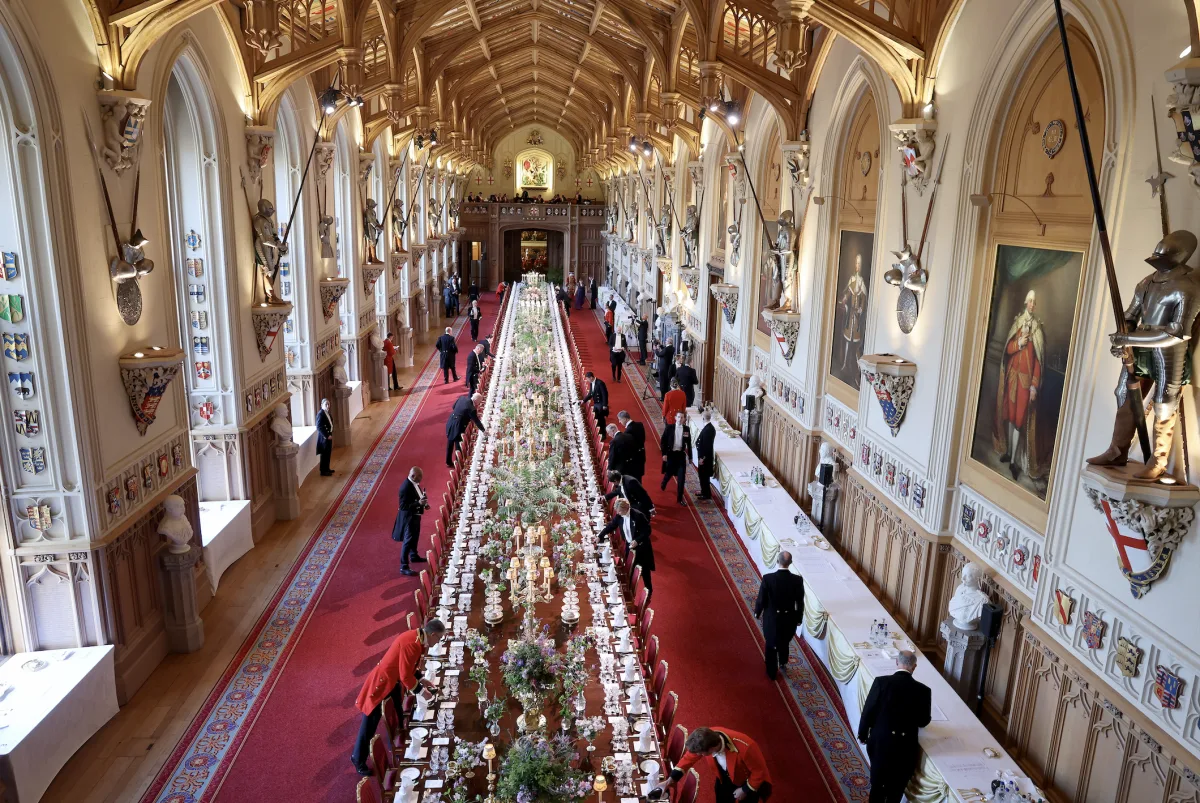
It is here that the Zen tradition reveals all its singularity, by contrast. Let us think of the other side of the scenery: in certain kitchens of contemporary power, every foodstuff is analysed in a laboratory, products judged “at risk” are banished, security agents watch over the preparation. Two cooks, the same function - to feed a man - and yet two radically opposed visions of the world. On one side, absolute mistrust toward what one puts to one’s mouth; on the other, the total trust of the tenzo, for whom the world holds nothing threatening and for whom each gesture, precisely because it is ordinary, deserves an entire attention.
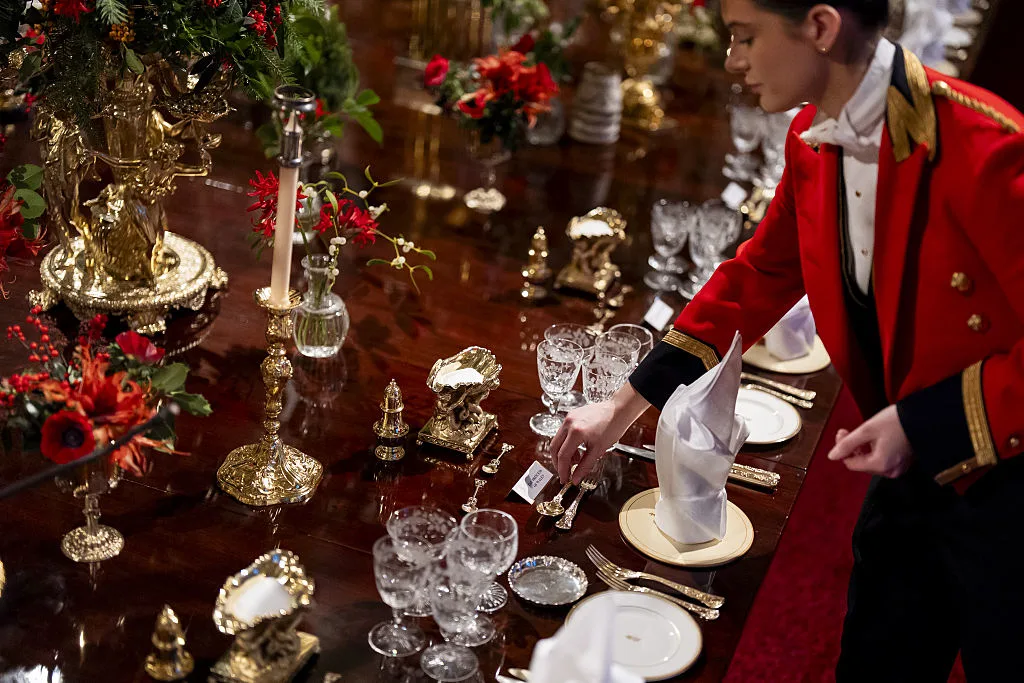
Here, perhaps, is the lesson that old cook of Ningbo was addressing, without knowing it, to a whole civilisation. There is no unworthy task, there is no insignificant moment. To lay a table, to choose a product, to serve a meal: these are acts that, performed with full presence, far exceed their apparent simplicity. To the steward of today as to the monk of yesterday, the tenzo recalls that excellence lies not in the brilliance of the dishes, but in the quality of the attention. And that if not now - when?