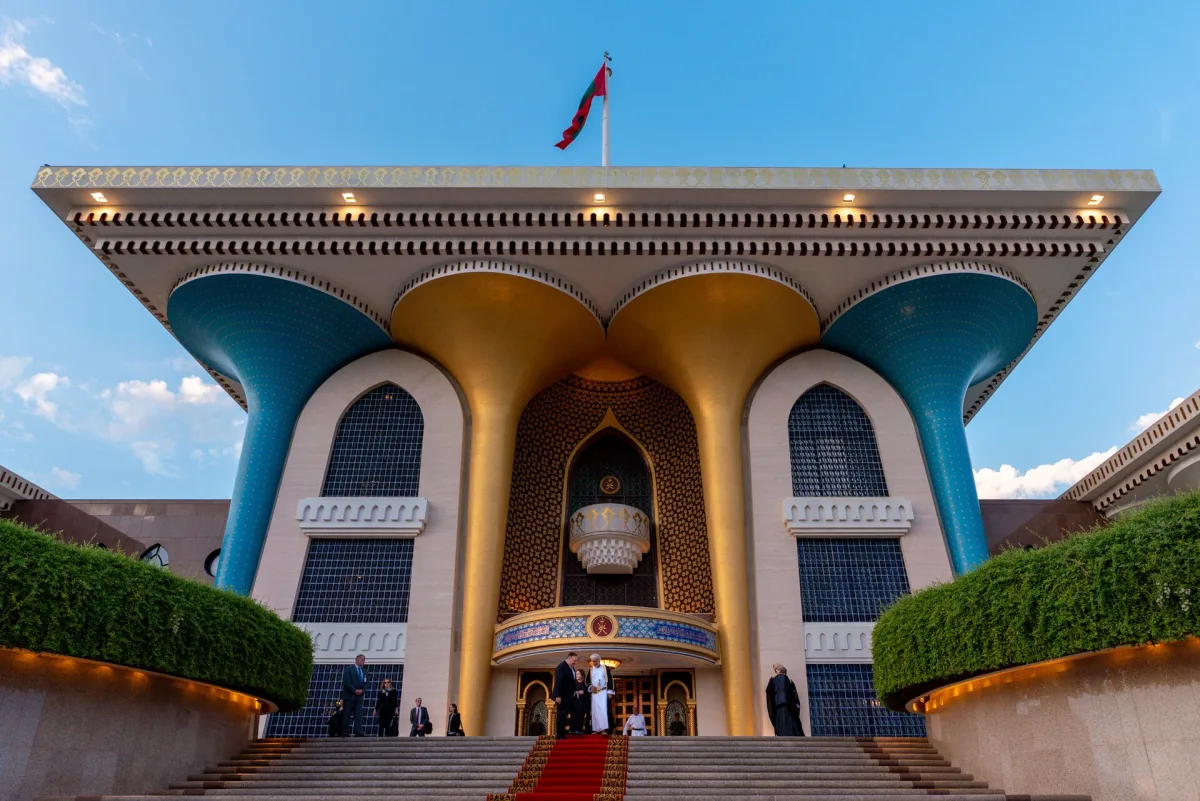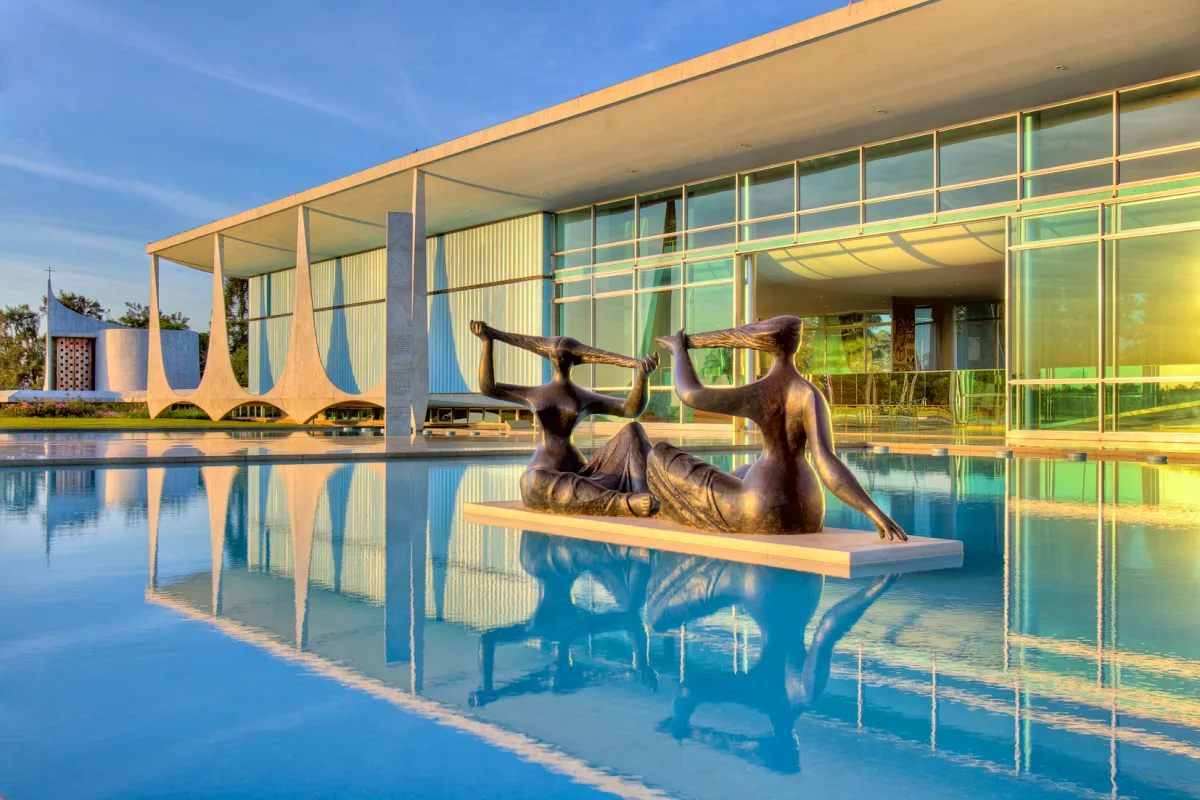

The Palais de la République dominates the Dakar Plateau, facing the Atlantic. Like the Quirinal in Rome or the Blue House in Seoul, it experienced several lives before becoming what it is today: the home of a nation.
Because the walls of power do not remain prisoners of their origin: they take on, in each era, the meaning given to them by the nation they shelter.
The great palaces of power have a particularity: they survive those who build them. Built for a dynasty, a Church or a regime, they passed from hand to hand over the centuries, and changed meaning with each new occupant. The stone retains no fidelity. It takes on the face of the person who inhabits it. What makes a palace is not those who built it, but the nation which, today, lives its history there.
Travel to Dakar, to a palace that Senegal has made fully its own.
The lesson of Rome and Seoul
To understand this truth, we only need to look at Rome. The Quirinal Palace, the highest of the city’s hills, was built at the end of the 16th century as a summer residence for the popes. For nearly three centuries, it was the home of sovereign pontiffs. Then, in 1871, after the unification of Italy, it became the palace of kings. Finally, since 1946, it has been the residence of the President of the Italian Republic.
Three powers, three sovereignties, one building. And yet, today, no one thinks of calling the Quirinal “the palace of the popes”. It is the house of the Italian Republic, without reservation or ambiguity. The walls have not changed; their meaning, yes. What power occupies, it makes its own.
Seoul offers an example even closer to Senegalese history. On the height which dominates the Korean capital, the site of the Blue House, former royal garden, housed the residence of the governor general of Japan during the occupation. After liberation, this same location became the heart of the presidency of independent Korea. Where the occupier had lodged, the nation established its sovereignty, and no one, today, sees there anything other than the siege of Korea.

A palace in the heart of Dakar
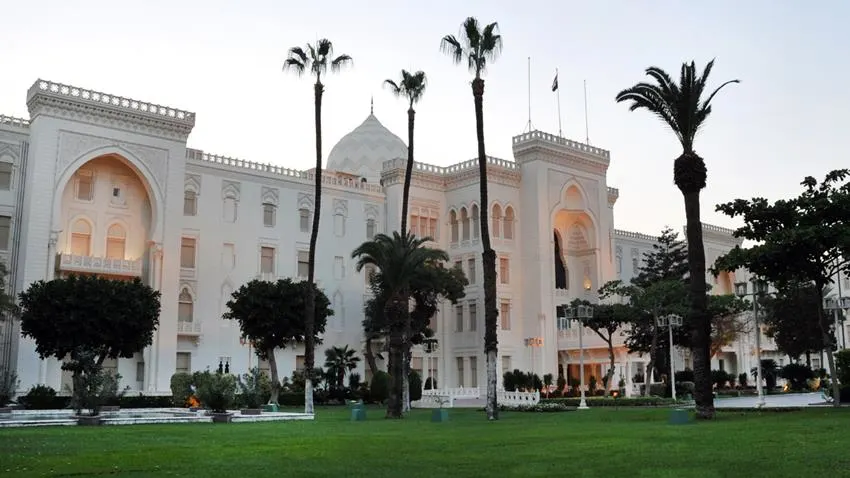
The Palais de la République in Dakar tells the same story. Its construction, ordered at the beginning of the last century, initially made it the seat of the General Government of French West Africa. Designed by the architect Henri Deglane and inaugurated on June 28, 1907, this neoclassical building with a white facade, topped by a tower, was modernized between 1947 and 1951 to take on its current, sober and monumental lines. It overlooks the Plateau, the administrative district of the capital, and overlooks the ocean.
It was his first chapter.
The second, much longer, began in 1960. At independence, the palace became the residence of the President of the Republic of Senegal. Since then, he has never been anything else. Five heads of state have succeeded one another without interruption, from Léopold Sédar Senghor to Bassirou Diomaye Faye, in office since April 2024. This palace has been Senegalese, and nothing but Senegalese, for more than sixty years.
The poet who made it a house of culture
If proof were needed that this palace now belongs to the nation, it would lie in its first Senegalese host. Léopold Sédar Senghor was not an administrator: he was a poet, one of the founders of Négritude, this movement which made African culture a source of pride offered to the whole world. In 1983, he became the first African elected to the French Academy.
This man of letters lived in the palace for twenty years, and gave it a new meaning. Under his authority, the residence no longer evoked anything of a distant administration: it became the home of African and universal thought. Senghor also accomplished a rare gesture for his time: in 1980, he voluntarily left power, opening the way to a peaceful succession. The palace has thus become the place of democratic continuity, transmitted from president to president. It is not its foundations that make it Senegalese, but everything that Senegal has experienced and decided there since.

The Red Guard, an emblem all its own
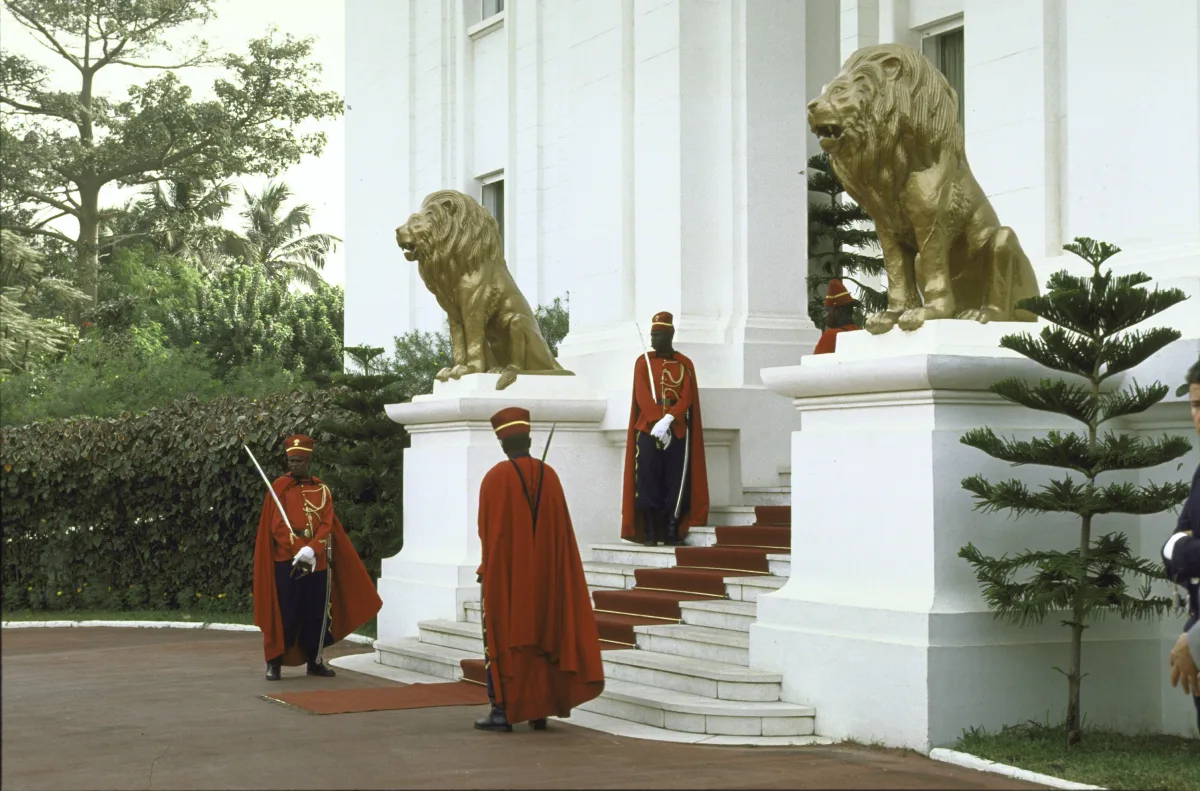
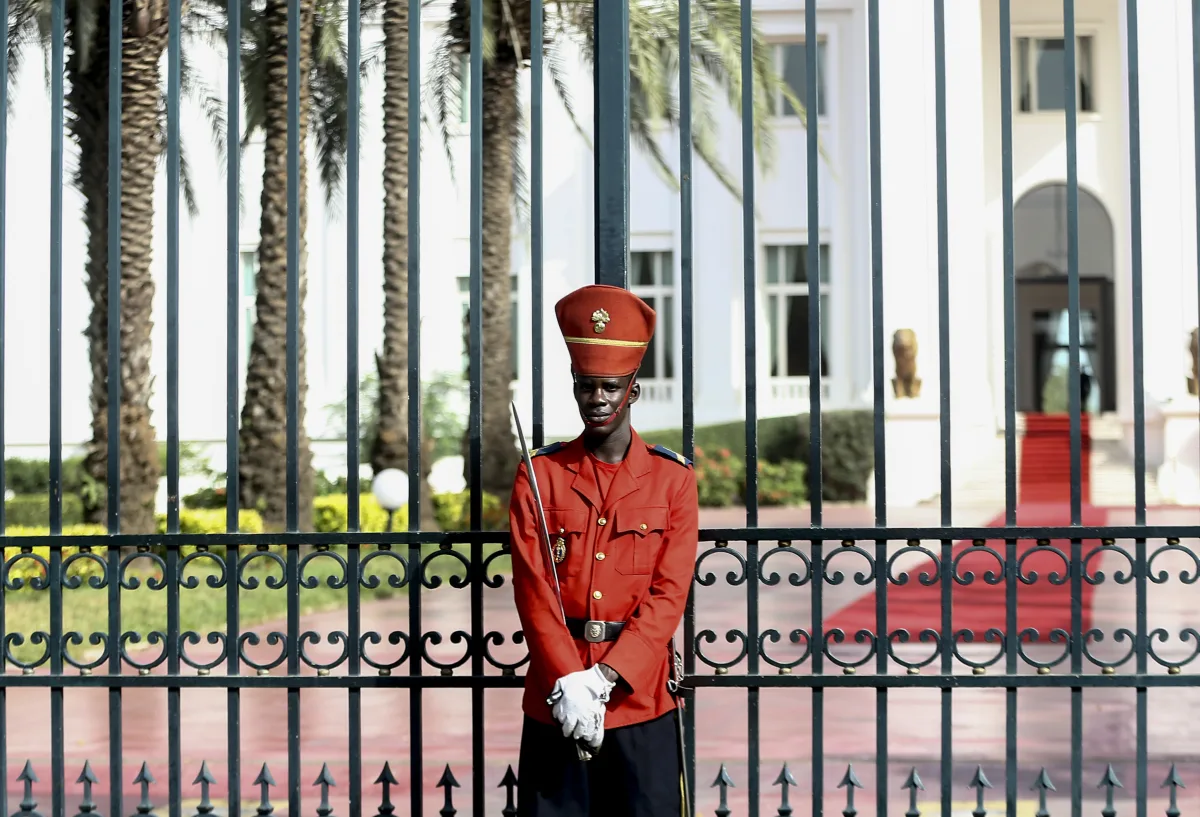
In front of the gates stands what everyone notices first: the Red Guard. These riders in scarlet tunics, spahis of the presidential guard, watch over the entrance and take over in a ceremony regulated to the precise gesture. Admired by passers-by and photographers alike, their presence highlights the dignity of the Senegalese state every day.
The Red Guard wonderfully illustrates the appropriation of a heritage. Born from a long military tradition, it today serves the Republic of Senegal and is among its most recognizable symbols. The palace, its gardens and its guard form a whole where the past is not denied, but fully placed at the service of the present.
A palace of power is not bequeathed like a memory: it is transmitted, it is experienced, and it ends up bearing the face of the nation that inhabits it.
The Quirinal showed it in Rome, from one power to another; the Blue House in Seoul, from an occupier to a free nation. Dakar shows it in its own way: for more than sixty years, this white palace facing the Atlantic has been the house of the Republic of Senegal, that of its presidents, its guard, its ceremonies and its decisions. Its stones tell where it comes from; his life says who he is. And he is, entirely, Senegalese.

Sources
- Presidency of the Republic of Senegal, official history page of the palace: presidence.sn/fr/presidence/histoire-du-palais
- Senegalese Press Agency (APS), historical file on the Palace of the Republic: archives.aps.sn
- In Senegal (au-senegal.com), “History of the Palace of the Republic”: au-senegal.com/histoire-du-palais-de-la-republique,13397.html
- Dakaractu, “The history of the Palais de la République: its cost, its architects, builders and successive occupants”
- Presidency of the Italian Republic (quirinale.it), used for the comparison with the Quirinal Palace
- Institutional documentation on the Blue House (Cheong Wa Dae), former residence of the Japanese governor general during the occupation, later seat of the Korean presidency after 1945, used for the comparison
- French Academy, biographical notices and records of the 1983 election, used for the section on Léopold Sédar Senghor
Credits and iconographic sources
- Presidency of the Republic of Senegal. Source: presidency.sn.
- Archive photograph, April 1, 1998. Photo: Cynthia Johnson, The Chronicle Collection, via Getty Images. Reference 50389555. Rights managed, editorial use only.
- News photograph, January 30, 2020. Photo: Anadolu Agency, contributor. Reference 1197534757. Rights managed, editorial use only.