
At the Royal Palace in Phnom Penh, classical Khmer dance is a state act, celebrated on the Clair de Lune pavilion. And King Norodom Sihamoni, before reigning, was a ballet dancer.
Journey to the palace where dancing is an affair of state
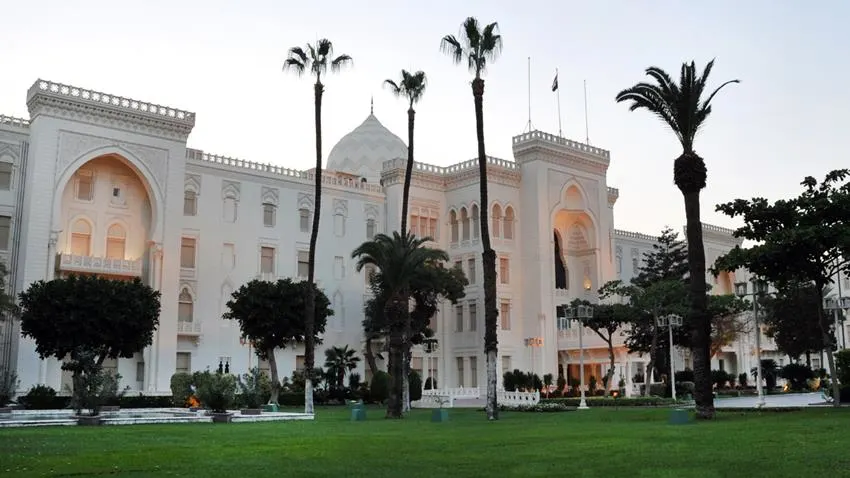
Most royal palaces in Asia have become museums. The one in Phnom Penh, no. It remains the home of a king, Norodom Sihamoni, and the living theater of the ceremonies of the Cambodian monarchy.
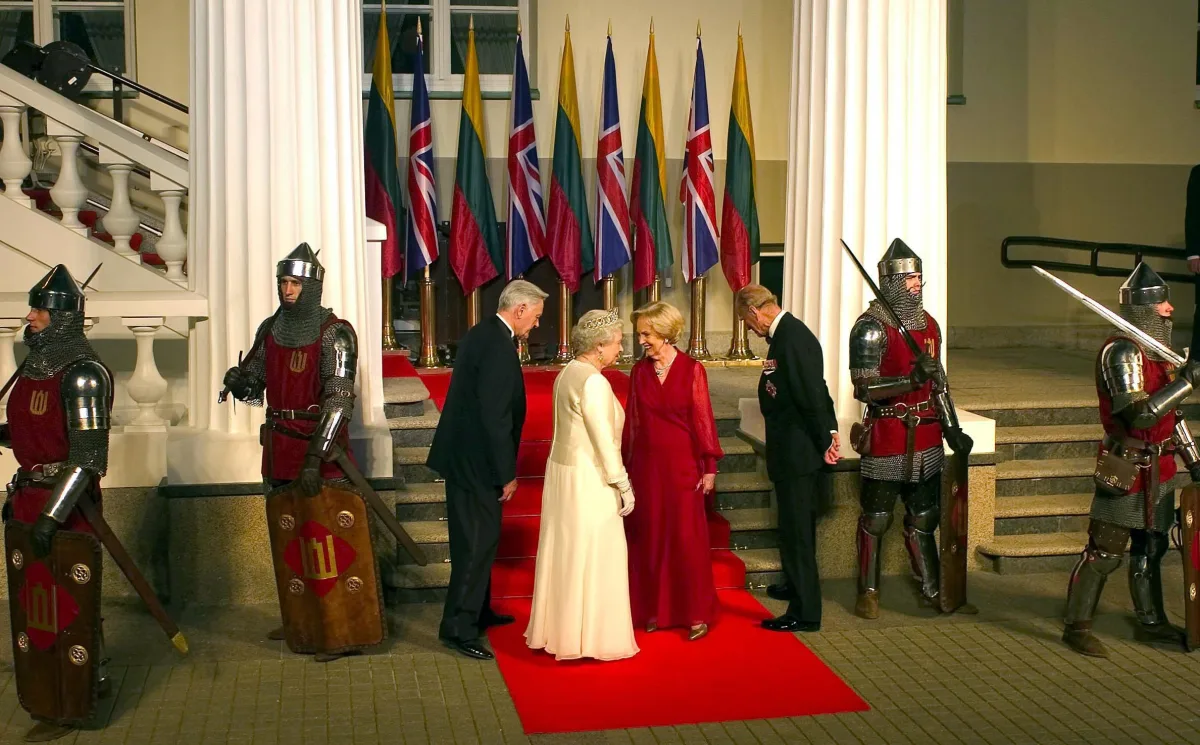
Crowns are crowned there, ambassadors are received there, state banquets are given there.
But what really sets this palace apart is a practice that few states place so highly.
Here, dancing is not entertainment; it is on the same level as an audience or a treaty.
A living palace, born from a transfer of capital
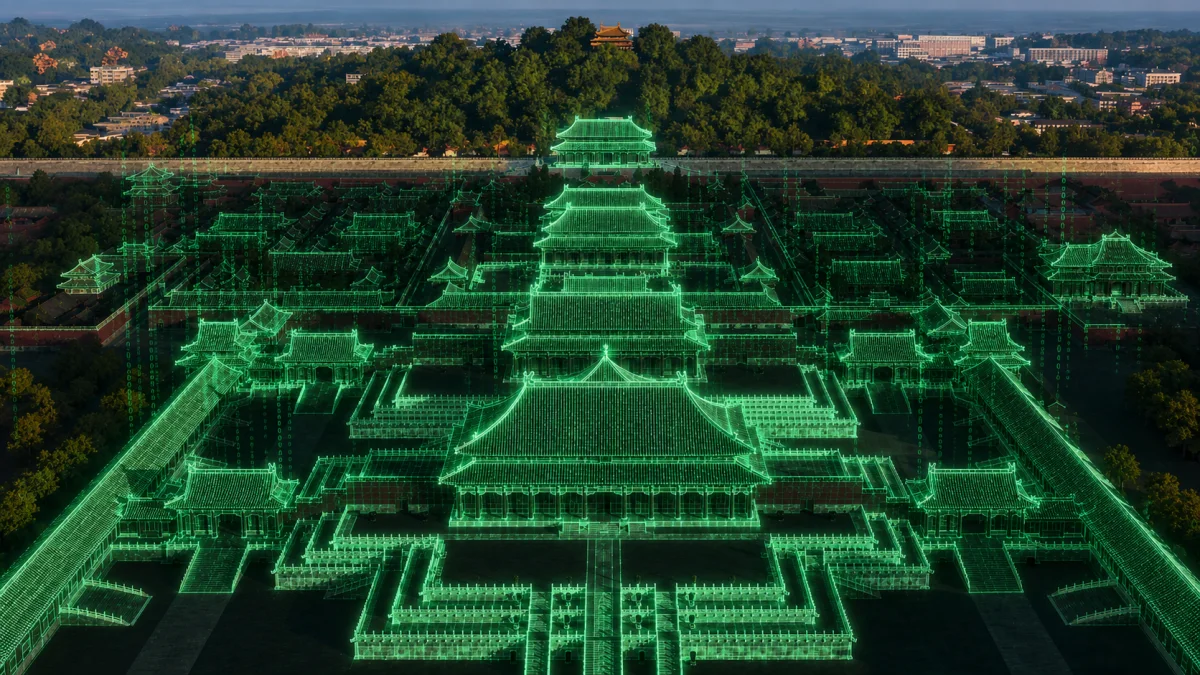
The history of the place begins in 1866, when King Norodom Iᵉʳ transferred his capital from Oudong to Phnom Penh and built a palace on the bank, at the confluence of the Tonlé Sap and the Mekong. The complex, expanded under his successors Sisowath and Monivong, today covers nearly eighteen hectares, surrounded by walls and divided into several enclosures.
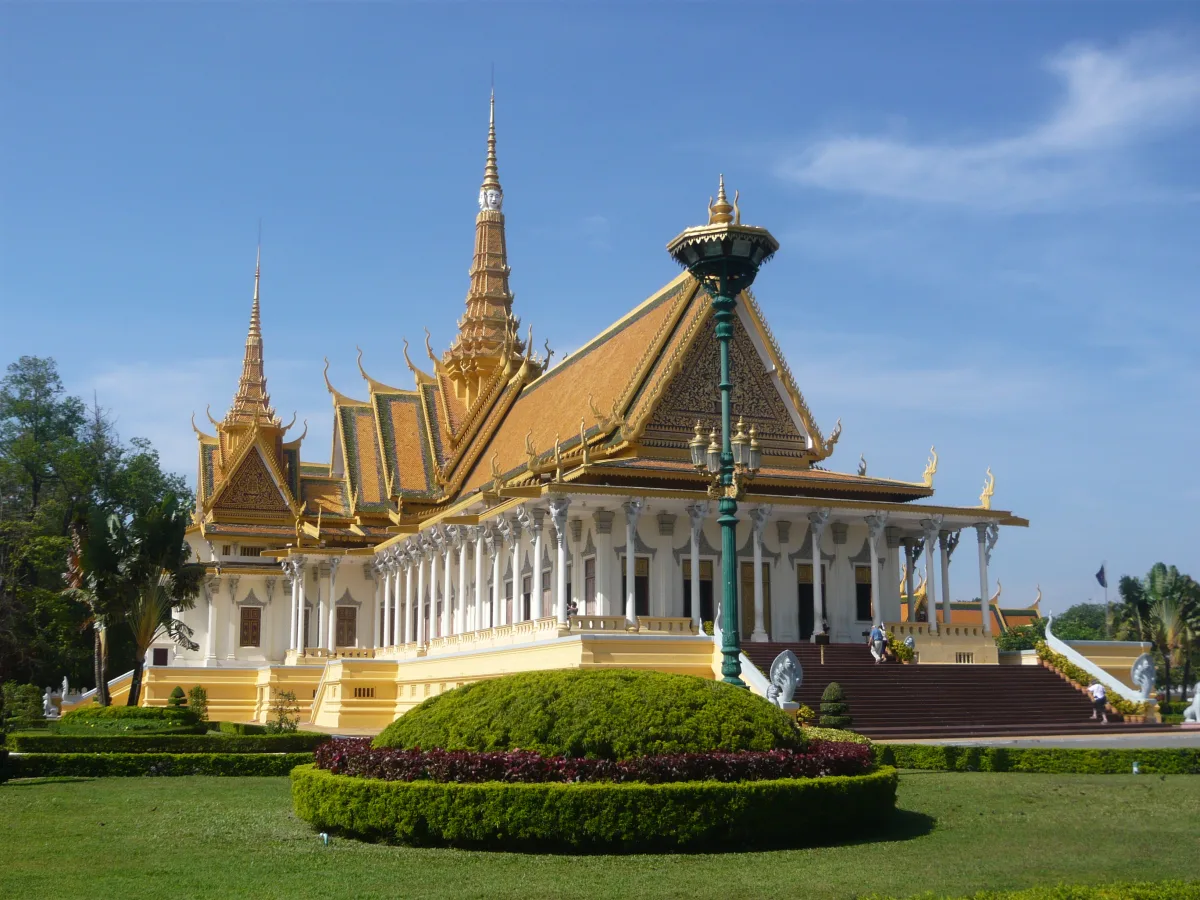
There we find the Throne Room, whose central spire, fifty-nine meters high, is inspired by the Bayon of Angkor; the Silver Pagoda, with a floor paved with precious tiles; and the Khemarin Palace, the sovereign’s private residence, closed to the public, which alone occupies almost half of the estate. Unlike so many palaces that have become showcases, this one still houses the daily life of a court.
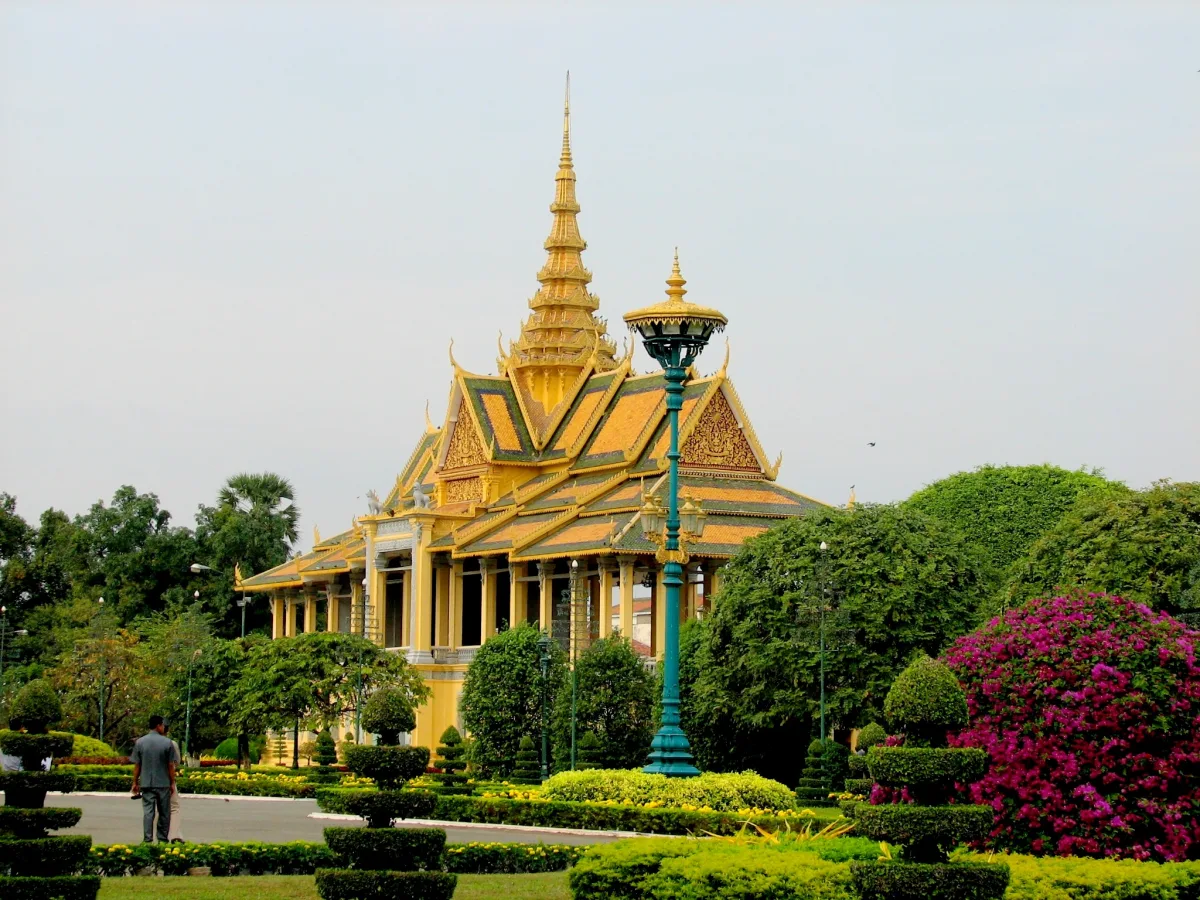
The Moonlight Pavilion
At the front of the palace, opening onto the city, stands the Chan Chhaya pavilion, the “Moonlight”. Built in its current form in 1913, this open-air pavilion is one of the rare palace buildings visible from the street, because it was built directly into the surrounding wall.
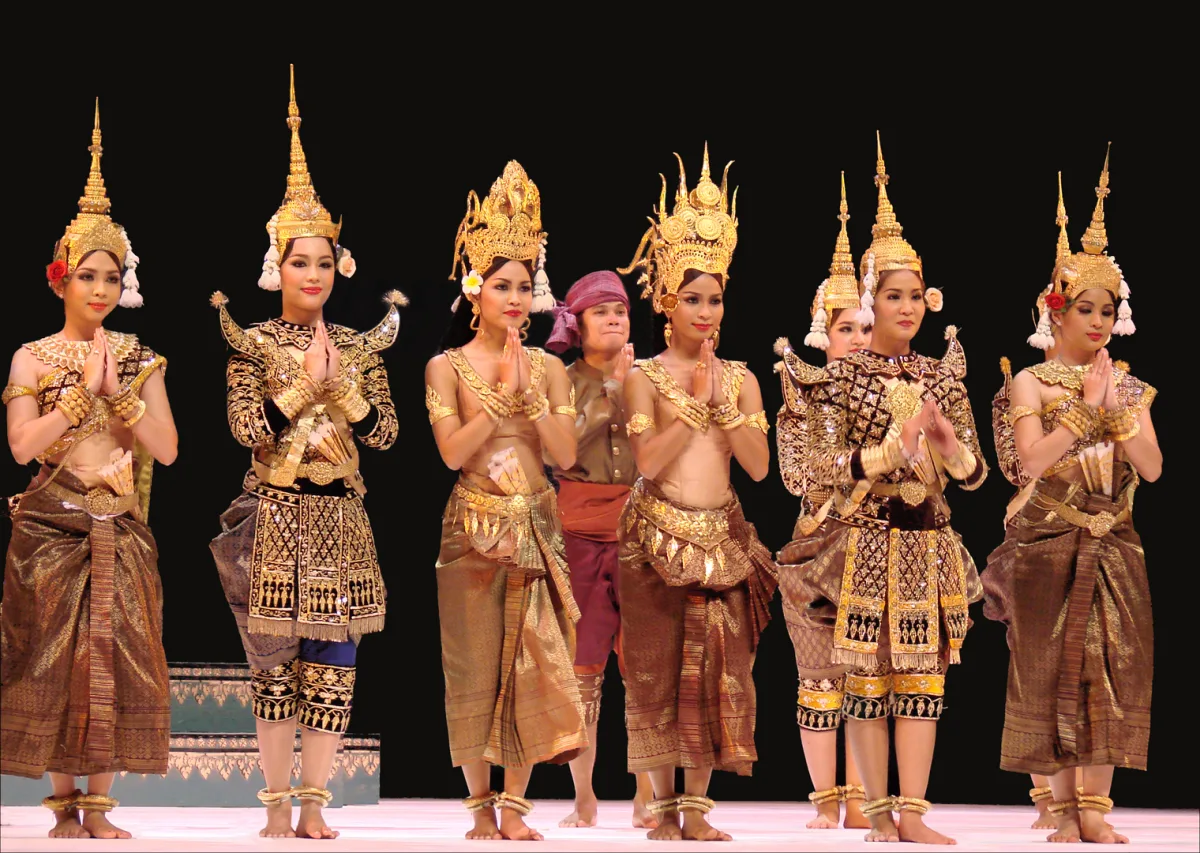
Its interest, for those who observe the stewardship of palaces, lies in its versatility. The same pavilion serves as a platform for the king to greet parades, as a stage for the Royal Khmer Ballet, and as a setting for certain state banquets. A single place, three ceremonial uses, which follow one another throughout the calendar. Chan Chhaya is the point where the palace is visible, and where the monarchy is presented before its people.
When dance becomes a state affair
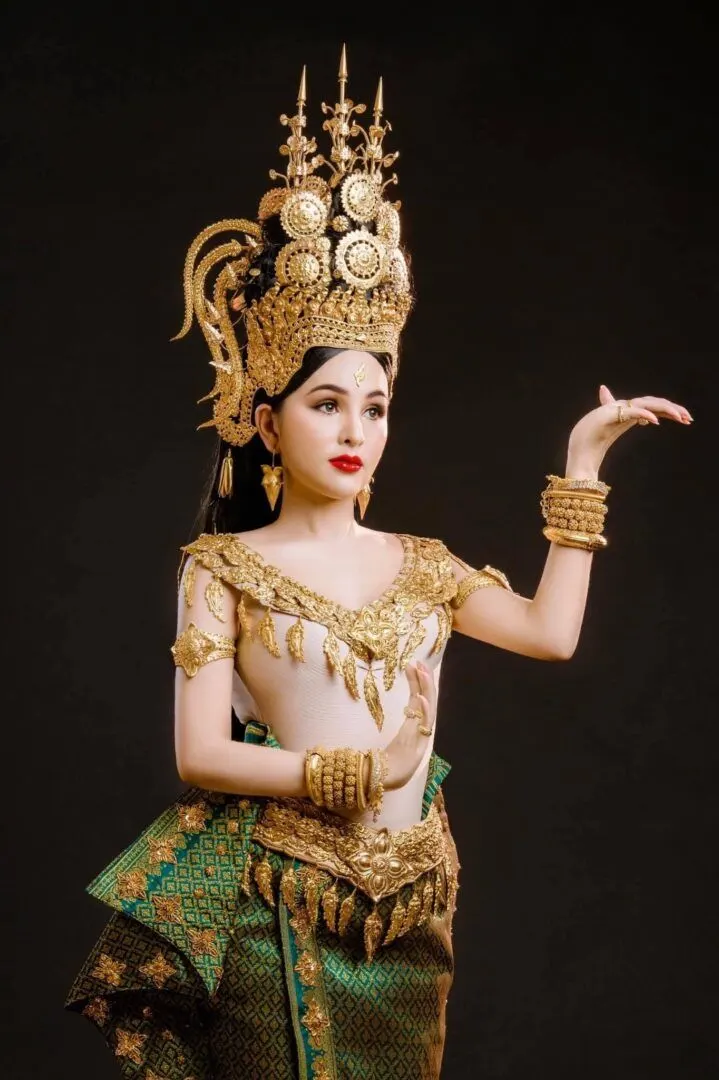
The Royal Cambodian Ballet is not a tourist distraction. It is a sacred art, whose codified gestures go back to the celestial dancers sculpted on the bas-reliefs of Angkor, and which is today listed as a UNESCO intangible cultural heritage of humanity. For a long time, only the women of the court could carry it out, under the direct authority of the queen.
This dance was also, in its time, a diplomatic instrument. In the 1960s, Prince Norodom Sihanouk presented the royal ballet to the greatest visiting heads of state, from General de Gaulle to Haile Selassie, as living proof that a small kingdom carrying such beauty should not be sacrificed. The dance silently pleaded the cause of the country.
This heritage almost disappeared. Under the Khmer Rouge regime, the monarchy was abolished and a large number of dancers perished. After these dark years, art was patiently restored, the monarchy reestablished in 1993, and the ballet found its place at the heart of the palace.
A king who was a dancer
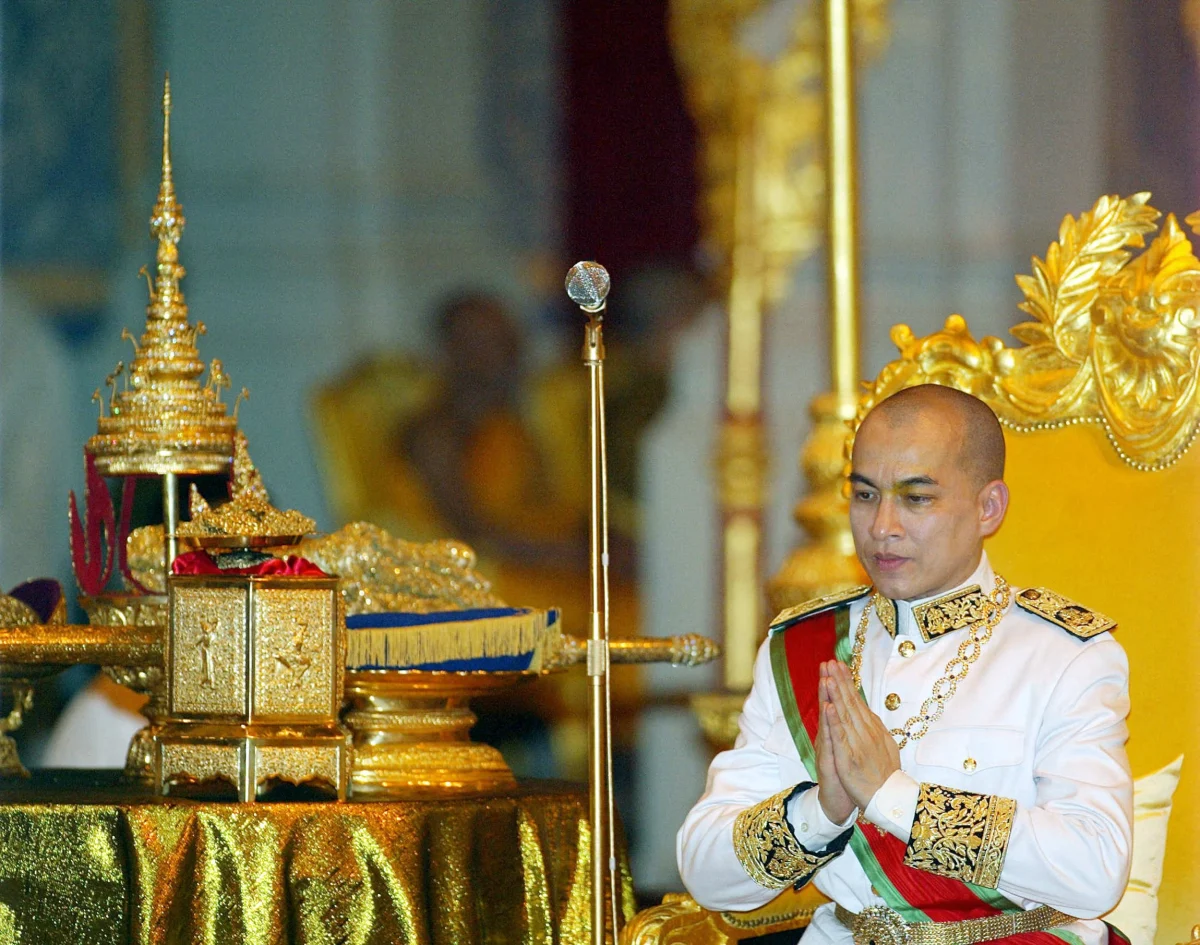
There remains the feature which gives this palace its singularity. Before reigning, Norodom Sihamoni was a ballet dancer. Sent to Prague in 1962, he studied classical dance at the Academy of Arts and won first prize in 1971. He then taught ballet in Paris, in several conservatories, founded his own troupe, then served as Cambodia’s ambassador to UNESCO, where he defended his country’s culture.
A discreet man, with a modest life and oriented towards the arts, he was brought to the throne in 2004, to everyone’s surprise, after the abdication of his father. There is a rare harmony there: the sovereign who presides over the Chan Chhaya ceremonies today knows from the inside the art that is danced there. The ballet palace is governed by a man who was one of its performers.
FAQs
What is the royal palace of Cambodia? The Royal Palace of Phnom Penh, built from 1866 under King Norodom Iᵉʳ, on the bank at the confluence of the Tonlé Sap and the Mekong. It remains the official residence of the king, today Norodom Sihamoni.
What is the Chan Chhaya pavilion? The “Clair de Lune” pavilion, an open-air building in front of the palace. It serves in turn as a royal platform for parades, a stage for the Royal Khmer Ballet and a setting for certain state banquets.
Why is dance so important in this palace? The Royal Ballet of Cambodia is a sacred art, listed as a UNESCO intangible heritage, whose gestures date back to the bas-reliefs of Angkor. It has long accompanied major court ceremonies and served as a diplomatic instrument.
How is the current king special? Norodom Sihamoni was, before reigning, a professional ballet dancer, trained in Prague and dance teacher in Paris, then ambassador to UNESCO. He has been king since 2004.
Can we visit the Royal Palace? Part of the complex is open to visitors, including the Throne Room and the Silver Pagoda. The sovereign’s residential areas, including the Khemarin Palace, remain closed to the public.