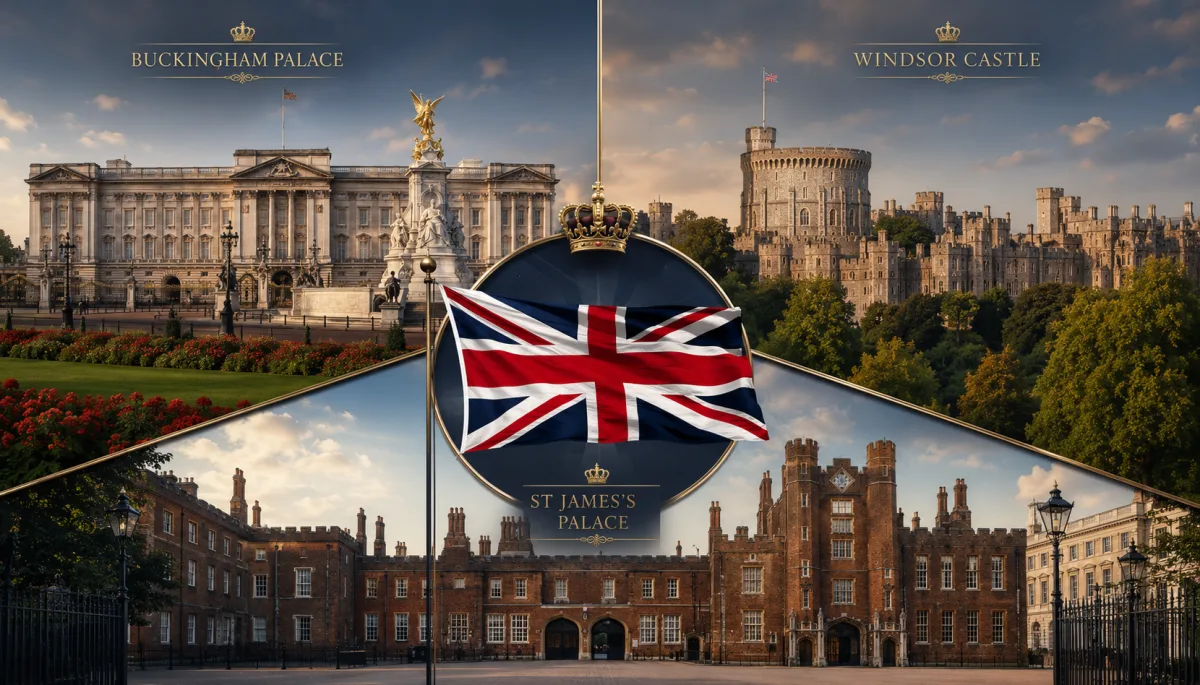

- Jubilee House was built against a castle, and against the history that this castle embodies. Jubilee House, Ghana’s presidential palace, replaced Osu Castle to break with a painful memory.
Osu Castle was not just an ancient seat of power. Its white walls, facing the Atlantic, served as a trading post and then a fortress in the slave trade; they then housed, without architectural discontinuity, the colonial governors then the presidents of an independent Ghana. To govern from Osu was to govern from the place of the deepest wounds in national history.
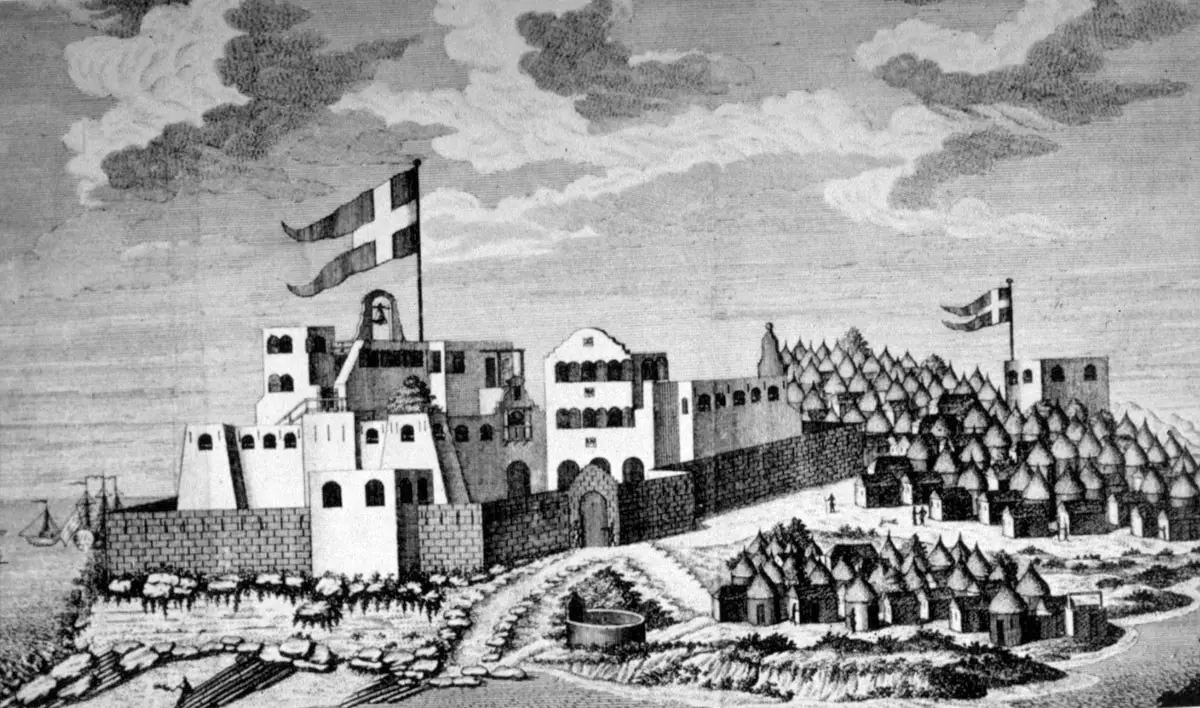
Between slavery and colonization, the Castle carried a memory deemed incompatible with the representation of a sovereign executive power.
During the decades following the dismissal of Kwame Nkrumah, architect of independence and first president of Ghana, no Ghanaian head of state seemed willing, or able, to resolve this contradiction: to exercise full sovereignty from the walls that had sheltered the transatlantic trade and then colonial governance.
In 2008, Ghana decided. A new complex is rising north of Accra, set back from Liberation Road.
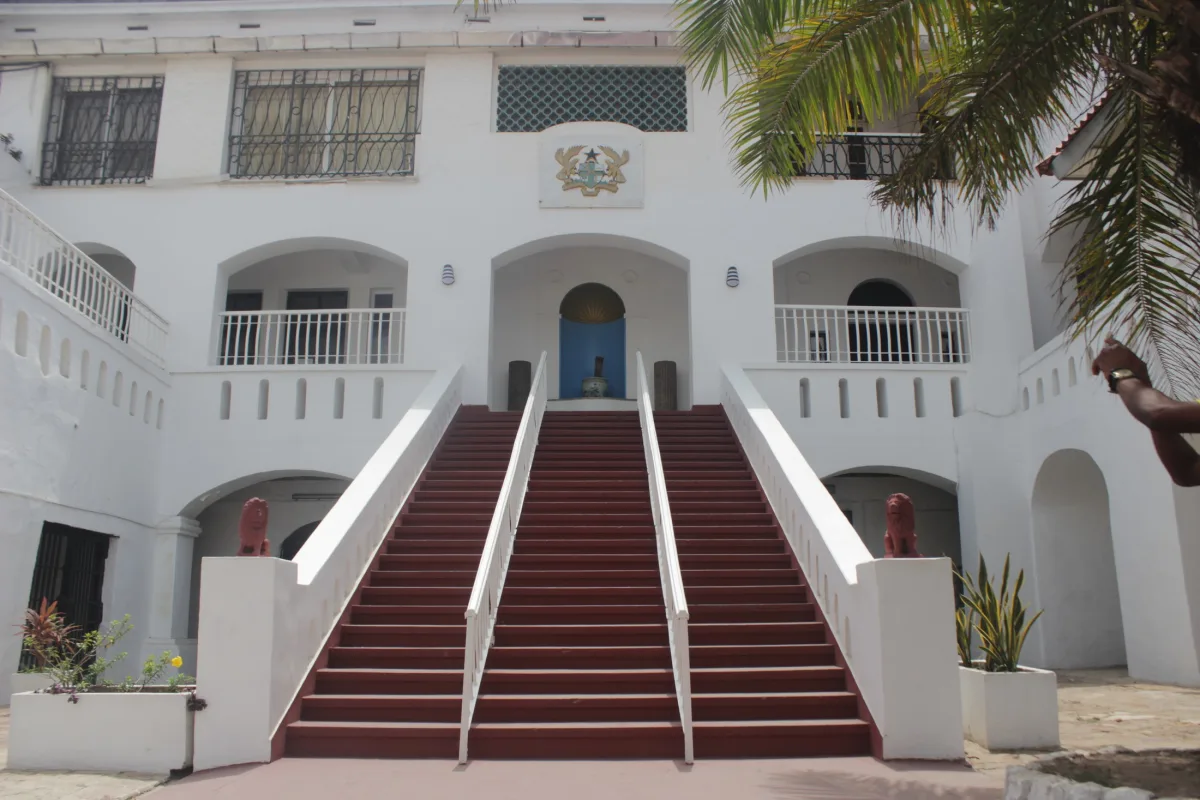
Changing address, here, is not moving an office: it is refusing to continue to administer a country from the place of one’s own pain
The chosen form is not neutral: the building follows the silhouette of a royal Ashanti stool, a centuries-old emblem of authority and dynastic legitimacy of the Akan peoples.
Emblematic, but not consensual: not all the cultural components of Ghana are recognized in this Akan vocabulary, and the new palace, by closing one wound of history, reopens another, more discreet one, that of knowing which national culture has the right to shape power.

The complex doesn’t just house a head of state. It is the complete apparatus of a power which has chosen never to have to leave its home again. The palace also includes the offices of the vice-presidency, a residence for visiting heads of state, a clinic, a bank, etc.
There remains one last ambiguity, which Ghana continues to maintain. Jubilee House commemorates, by its name, the 50th anniversary of independence. But it also bears the name of the ancient site on which it was built: Flagstaff House. Kwame Nkrumah had made this colonial building his residence until the coup d’état which deposed him. This name, symbolically associated with Kwame Nkrumah, evokes a debated political heritage, and a memory to be honored.
In 2018, a decree decided: Jubilee House for the current seat, Flagstaff House reserved in memory of the founder of the nation and one of the fathers of Pan-Africanism.
A palace can therefore bear two names without carrying two powers, provided that an official text expresses the memory which governs it.

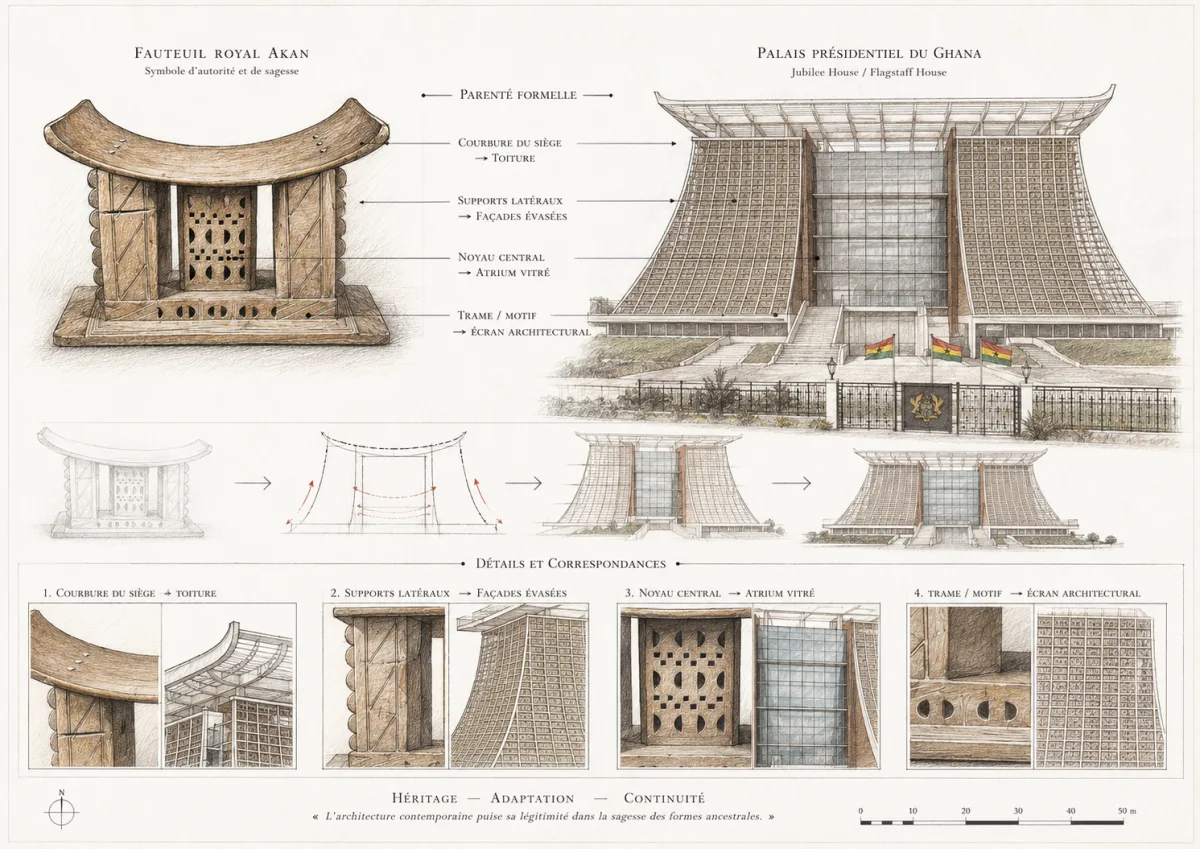
“With the advice of Marguerite de Sabran, specialist in African heritage and arts”